 EN
EN
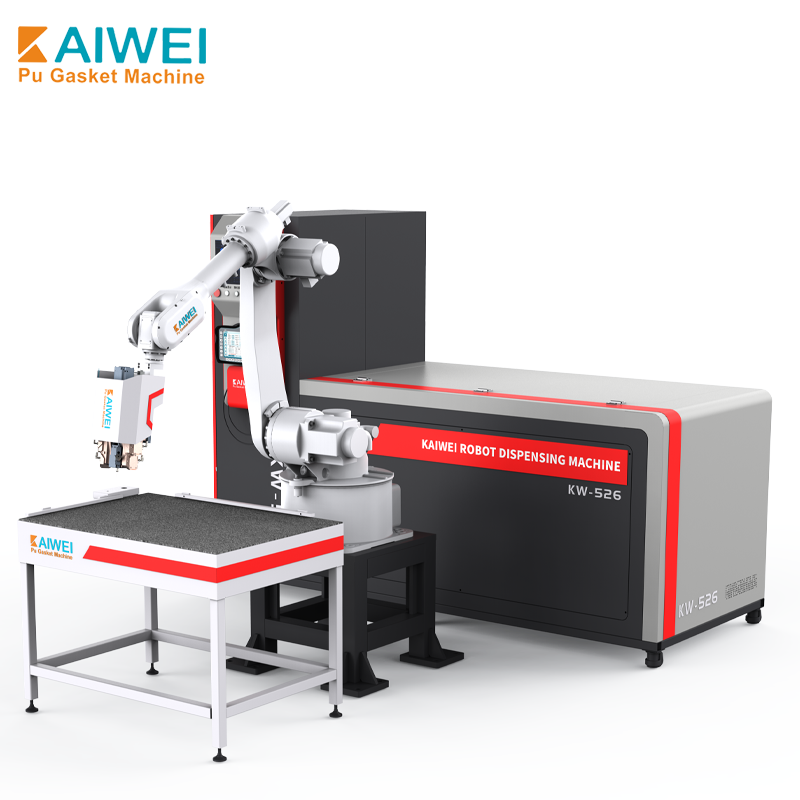
Modern industrial manufacturing demands precision, efficiency, and reliability, particularly when producing critical safety equipment like anti-explosion boxes. These specialized enclosures require flawless sealing systems to prevent hazardous material leakage and ensure operational safety. At the heart of this manufacturing process lies advanced machinery designed to automate gasket production and application, transforming how manufacturers approach sealing solutions for explosion-proof equipment.
The evolution of sealing technology has revolutionized industrial safety standards, with automated dispensing systems becoming indispensable for manufacturers seeking consistent, high-quality results. These sophisticated machines eliminate human error while dramatically increasing production throughput, making them essential investments for companies operating in hazardous environments. Understanding the capabilities and applications of modern sealing equipment is crucial for manufacturers looking to enhance their production capabilities while maintaining stringent safety standards.
Understanding Advanced Sealing Technology
Core Components and Functionality
Advanced sealing machinery incorporates precision-engineered components designed to deliver consistent material application across various substrate materials. The primary dispensing system utilizes computer-controlled pumps that regulate material flow with exceptional accuracy, ensuring uniform gasket thickness throughout the application process. Temperature control systems maintain optimal material viscosity, preventing premature curing and ensuring proper adhesion to substrate surfaces.
Modern sealing equipment features programmable control interfaces that allow operators to configure application parameters for different gasket geometries and materials. These systems store multiple program profiles, enabling rapid changeover between different product specifications without lengthy setup procedures. The integration of servo-driven positioning systems ensures precise material placement along complex geometric patterns, accommodating intricate anti-explosion box designs with multiple sealing surfaces.
Material Compatibility and Performance
Contemporary sealing systems accommodate a wide range of gasket materials, including polyurethane compounds, silicone formulations, and specialized explosion-resistant materials. Each material type requires specific handling parameters, including temperature control, mixing ratios, and curing conditions. Advanced machinery automatically adjusts these parameters based on material specifications, ensuring optimal performance across diverse applications.
The chemical resistance properties of modern gasket materials make them suitable for harsh industrial environments where exposure to corrosive substances, extreme temperatures, and pressure variations are common. Automated dispensing systems ensure consistent material properties throughout the curing process, resulting in reliable seals that maintain integrity under challenging operating conditions. Quality control systems monitor material characteristics in real-time, alerting operators to any deviations that might compromise seal performance.
Production Efficiency and Automation Benefits
Throughput Optimization Strategies
Implementing automated sealing solutions significantly increases production capacity while reducing labor requirements and associated costs. A Gasket Machine can typically complete sealing operations in a fraction of the time required for manual application, with consistent quality across all production units. This acceleration enables manufacturers to meet demanding delivery schedules while maintaining competitive pricing structures.
Modern sealing equipment incorporates intelligent scheduling algorithms that optimize production sequences based on material properties and curing requirements. These systems minimize material waste by coordinating application timing with downstream processing operations, reducing overall production costs. Automated material handling systems further enhance efficiency by eliminating manual material preparation and reducing contamination risks that could compromise seal integrity.
Quality Assurance Integration
Advanced sealing machinery includes integrated quality monitoring systems that continuously assess gasket application parameters throughout the production process. Vision systems inspect seal geometry, detecting deviations from specified tolerances before products advance to subsequent manufacturing stages. This real-time quality control prevents defective units from progressing through the production line, reducing waste and rework costs.
Statistical process control capabilities enable manufacturers to track performance trends and identify potential issues before they impact production quality. These systems generate comprehensive reports documenting application parameters, material consumption, and quality metrics for each production batch. This documentation supports regulatory compliance requirements while providing valuable data for continuous improvement initiatives.
Application Versatility in Industrial Settings
Anti-Explosion Box Manufacturing
Anti-explosion boxes require exceptional sealing performance to prevent hazardous material leakage and maintain internal pressure differentials. Automated sealing systems excel in these applications by delivering precise gasket placement along complex geometric configurations. The ability to maintain consistent seal thickness and material distribution ensures reliable performance under extreme operating conditions.
Specialized sealing formulations designed for explosion-proof applications offer enhanced chemical resistance and temperature stability compared to conventional gasket materials. Automated dispensing systems precisely control material mixing ratios and application parameters, ensuring optimal material properties throughout the curing process. This precision is critical for applications where seal failure could result in catastrophic safety incidents or environmental damage.
Multi-Industry Applications
Beyond explosion-proof enclosures, automated sealing equipment serves diverse industrial applications including automotive manufacturing, aerospace assembly, and electronic device production. Each industry presents unique challenges regarding material compatibility, environmental resistance, and performance requirements. Modern sealing systems accommodate these varied demands through programmable parameter control and extensive material compatibility.
The flexibility of contemporary sealing equipment enables manufacturers to serve multiple market segments using a single production platform. This versatility maximizes equipment utilization while minimizing capital investment requirements. Cross-industry applications also provide opportunities for manufacturers to leverage expertise gained in one sector to develop competitive advantages in related markets.
Economic Impact and Return on Investment
Cost Reduction Analysis
Implementing automated sealing solutions generates significant cost savings through reduced labor requirements, minimized material waste, and improved production efficiency. Labor cost reductions result from eliminating manual gasket application processes that require skilled technicians and extensive quality control oversight. Automated systems operate with minimal supervision while delivering consistent results across all production shifts.
Material waste reduction stems from precise dispensing control that eliminates over-application and ensures complete material utilization. Automated mixing systems prevent material contamination and reduce disposal costs associated with expired or contaminated gasket compounds. These savings accumulate significantly over extended production periods, contributing to rapid return on equipment investment.
Long-term Value Creation
The strategic value of automated sealing equipment extends beyond immediate cost savings to include enhanced market competitiveness and expanded production capabilities. Manufacturers utilizing advanced sealing technology can pursue high-value contracts requiring stringent quality standards and rapid delivery schedules. This market positioning enables premium pricing strategies that further accelerate investment recovery.
Technology investments also provide platforms for future capability expansion as market demands evolve and new applications emerge. Modular equipment designs accommodate upgrades and modifications that extend useful equipment life while maintaining technological competitiveness. This adaptability protects against technology obsolescence and preserves long-term investment value.
FAQ
What maintenance requirements are associated with automated sealing equipment
Automated sealing equipment requires regular preventive maintenance including material system cleaning, component lubrication, and calibration verification. Most systems incorporate automated cleaning cycles that minimize manual maintenance requirements while ensuring consistent material quality. Scheduled maintenance typically includes replacing wear components, updating software systems, and conducting performance verification tests to maintain optimal operating conditions.
How does material selection impact sealing performance and equipment compatibility
Material selection significantly influences both sealing performance and equipment compatibility, with different formulations requiring specific handling parameters including temperature control, mixing ratios, and curing conditions. Modern sealing equipment accommodates various material types through programmable parameter control, but optimal performance requires matching material properties to application requirements. Consultation with equipment manufacturers and material suppliers ensures proper material selection and configuration.
What training requirements exist for operating advanced sealing machinery
Operating advanced sealing machinery requires comprehensive training covering equipment operation, material handling, quality control procedures, and safety protocols. Most manufacturers provide structured training programs including classroom instruction, hands-on practice, and certification assessments. Ongoing training updates ensure operators remain current with technology improvements and best practice developments that enhance production efficiency and product quality.
How do automated sealing systems integrate with existing production lines
Automated sealing systems integrate with existing production lines through standardized communication protocols and flexible mounting configurations that accommodate various production layouts. Integration planning considers material flow patterns, quality control checkpoints, and downstream processing requirements to optimize overall production efficiency. Professional installation services ensure proper integration while minimizing production disruption during equipment commissioning.
Table of Contents
- Understanding Advanced Sealing Technology
- Production Efficiency and Automation Benefits
- Application Versatility in Industrial Settings
- Economic Impact and Return on Investment
-
FAQ
- What maintenance requirements are associated with automated sealing equipment
- How does material selection impact sealing performance and equipment compatibility
- What training requirements exist for operating advanced sealing machinery
- How do automated sealing systems integrate with existing production lines