 EN
EN

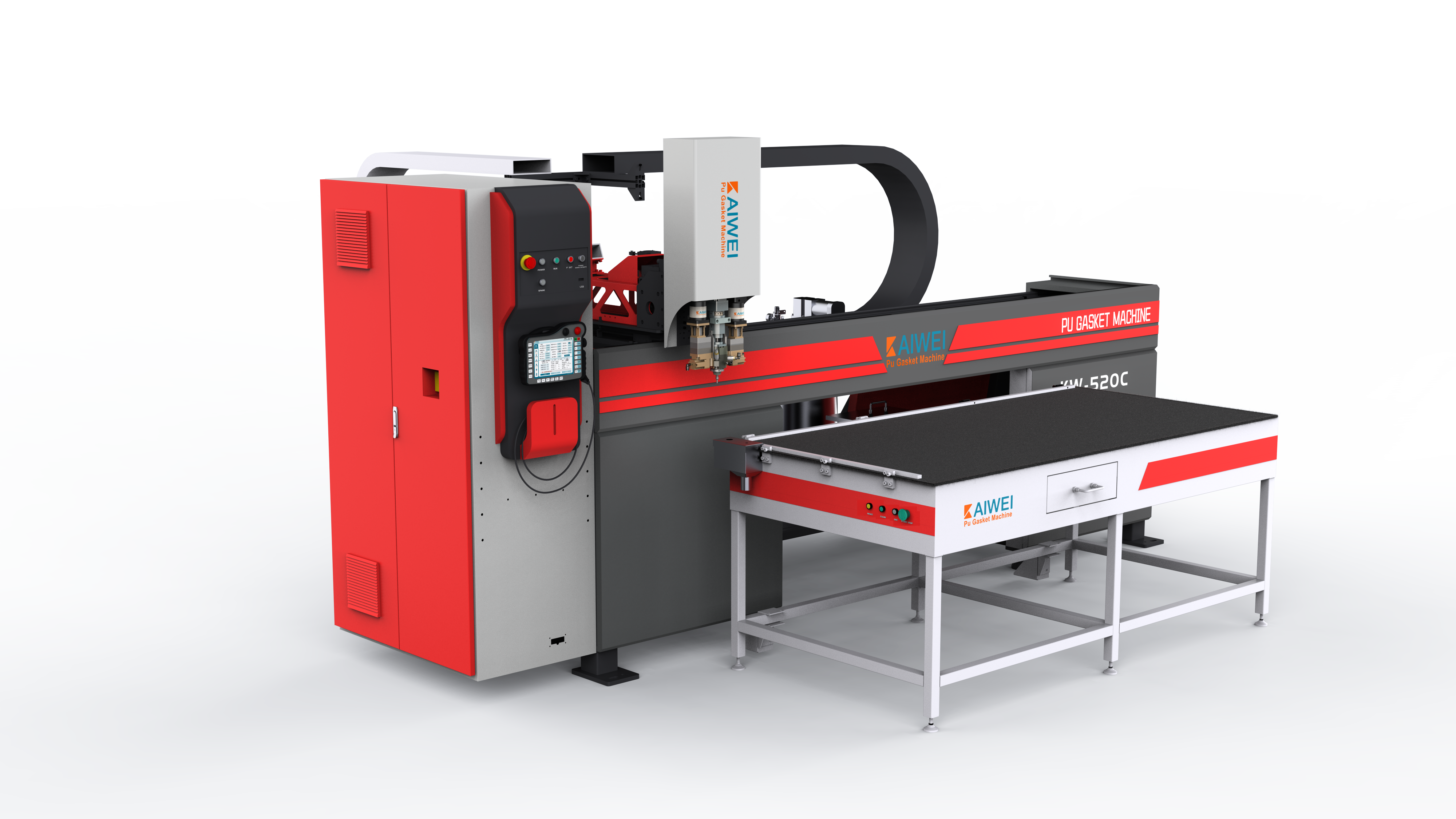
LED outdoor lighting fixtures face constant exposure to harsh environmental conditions, making effective waterproofing absolutely critical for long-term performance and reliability. Rain, snow, humidity, and temperature fluctuations can quickly compromise poorly sealed fixtures, leading to costly failures and safety hazards. The solution lies in precision-engineered foam-in-place gaskets that create seamless, weatherproof barriers around sensitive electronic components.
Modern manufacturing demands have pushed traditional gasket production methods to their limits. Cut gaskets and molded seals often fail to provide the consistent quality and precision required for high-performance LED lighting applications. Manufacturing engineers increasingly turn to automated foam-in-place technology to achieve superior waterproofing results while streamlining production processes and reducing material waste.
The evolution from manual gasket installation to automated foam dispensing represents a fundamental shift in manufacturing philosophy. Where traditional methods required multiple steps, inventory management of pre-formed gaskets, and quality control challenges, foam-in-place systems deliver integrated solutions that eliminate many common production bottlenecks. This technological advancement has become particularly valuable in the rapidly growing outdoor LED lighting market, where product reliability directly impacts brand reputation and customer satisfaction.
Understanding Foam-in-Place Gasket Technology
Core Components and Operating Principles
Foam-in-place gasket systems utilize precision-controlled polyurethane dispensing technology to create custom-fitted seals directly within fixture housings. The process begins with programmable dispensing heads that follow predetermined paths, applying liquid polyurethane material in exact patterns and volumes. As the material cures, it expands to fill gaps and creates a continuous, flexible barrier that adapts perfectly to component geometries.
The chemical composition of modern polyurethane gasket materials has been specifically engineered for outdoor lighting applications. These formulations resist UV degradation, maintain flexibility across wide temperature ranges, and provide excellent adhesion to aluminum, steel, and plastic housing materials commonly used in LED fixtures. The curing process typically completes within minutes, allowing for rapid production cycles while ensuring complete seal integrity.
Automation and Precision Control Systems
Advanced Gasket Machine platforms incorporate sophisticated motion control systems that ensure consistent material placement with tolerances measured in fractions of millimeters. Servo-driven dispensing heads can execute complex three-dimensional paths, accommodating intricate fixture designs that would be impossible to seal effectively using traditional methods. These systems often feature real-time monitoring capabilities that track material flow rates, cure temperatures, and dispensing pressures to maintain optimal quality standards.
Integration with manufacturing execution systems allows operators to store and recall gasket programs for different fixture models, dramatically reducing setup times and eliminating programming errors. Quality control features include automatic material mixing verification, dispensing pattern recognition, and post-cure inspection protocols that ensure every gasket meets specified performance criteria before fixtures leave the production line.
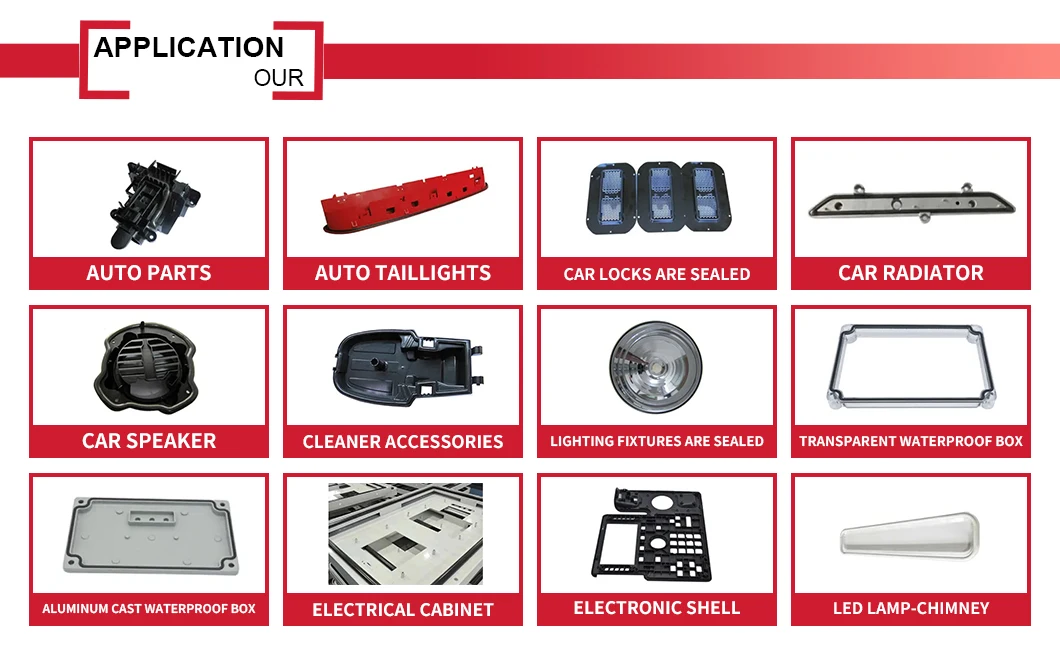
Waterproofing Performance and Environmental Resistance
IP Rating Achievement and Testing Protocols
Outdoor LED lighting fixtures must achieve specific Ingress Protection ratings to ensure reliable operation in exposed environments. Foam-in-place gaskets consistently enable manufacturers to achieve IP65, IP66, and even IP67 ratings when properly applied and cured. These ratings indicate complete protection against dust ingress and resistance to powerful water jets or temporary submersion, depending on the specific classification.
Testing protocols for gasket performance involve subjecting sealed fixtures to standardized environmental stress conditions. These include thermal cycling between extreme temperatures, prolonged UV exposure equivalent to years of outdoor service, and mechanical vibration testing that simulates wind loading and thermal expansion stresses. Properly designed foam gaskets maintain their sealing properties throughout these rigorous test cycles, demonstrating the superior long-term reliability of foam-in-place technology.
Material Properties and Longevity Considerations
The cellular structure of cured polyurethane foam provides unique advantages for outdoor sealing applications. Unlike solid rubber gaskets that can lose compression over time, foam gaskets maintain consistent pressure against sealing surfaces while accommodating thermal expansion and contraction cycles. This resilience translates directly to extended fixture lifespans and reduced warranty claims for manufacturers.
Chemical resistance properties of modern gasket materials protect against common environmental contaminants including acidic precipitation, salt spray in coastal installations, and industrial pollutants. The closed-cell foam structure prevents moisture absorption that could compromise insulation properties or create pathways for galvanic corrosion in aluminum fixtures. These characteristics make foam-in-place gaskets particularly valuable for high-reliability applications such as street lighting, architectural illumination, and industrial facility lighting.
Manufacturing Efficiency and Cost Benefits
Production Line Integration and Workflow Optimization
Implementing foam-in-place gasket systems within LED fixture production lines creates opportunities for significant workflow improvements. Unlike traditional gasket installation that requires separate cutting, positioning, and adhesive application steps, foam dispensing integrates seamlessly into assembly sequences. Fixtures can proceed directly from gasket application to final assembly without intermediate handling or curing delays.
The elimination of gasket inventory management represents another substantial operational advantage. Traditional manufacturing requires forecasting gasket requirements, managing multiple part numbers for different fixture models, and dealing with material obsolescence when designs change. Foam-in-place systems require only bulk polyurethane materials and can adapt to new fixture designs through software programming rather than tooling changes.
Quality Consistency and Defect Reduction
Automated dispensing systems eliminate many variables that affect gasket quality in manual operations. Human factors such as inconsistent pressure application, material positioning errors, and adhesive coverage variations are replaced by precisely controlled mechanical processes. Statistical process control data from advanced machines shows gasket uniformity improvements of 95% or better compared to manual methods.
The reduction in field failures attributable to gasket defects provides substantial cost savings beyond direct manufacturing benefits. Warranty claims, service calls, and brand reputation impacts associated with water ingress failures can be virtually eliminated through proper implementation of foam-in-place technology. These improvements become particularly valuable as LED fixture manufacturers expand into longer warranty periods to differentiate their products in competitive markets.
Equipment Selection and Implementation Strategies
System Sizing and Capability Requirements
Choosing appropriate foam dispensing equipment requires careful analysis of production volume requirements, fixture complexity, and quality specifications. Entry-level systems suitable for smaller manufacturers typically offer single-head dispensing with basic programming capabilities, while high-volume operations may require multi-station systems with advanced material handling and automated fixture loading capabilities.
Consideration of future production growth is essential when selecting equipment platforms. Modular system designs allow manufacturers to begin with basic configurations and add capabilities such as additional dispensing heads, advanced vision systems, or integrated curing ovens as production volumes increase. This scalability prevents the need for complete equipment replacement as businesses expand.
Training and Maintenance Considerations
Successful implementation of foam-in-place technology requires comprehensive operator training and ongoing technical support. Modern systems incorporate user-friendly interfaces that simplify routine operations, but understanding material properties, troubleshooting techniques, and maintenance procedures remains critical for optimal performance. Equipment suppliers typically provide training programs covering both basic operation and advanced optimization techniques.
Preventive maintenance protocols ensure consistent system performance and material quality over extended operating periods. Regular cleaning procedures, component inspection schedules, and calibration verification help prevent production disruptions and maintain gasket quality standards. Many manufacturers establish partnership relationships with equipment suppliers to access ongoing technical support and materials expertise as their operations mature.
Industry Applications and Market Trends
Specific LED Lighting Segment Requirements
Different sectors of the outdoor LED lighting market present unique gasket performance requirements that influence equipment selection and material choices. Street lighting applications prioritize long-term reliability and minimal maintenance requirements, favoring gasket formulations optimized for 20-year service life expectations. Architectural lighting projects may emphasize aesthetic considerations and custom sealing solutions for unique fixture geometries.
Industrial and hazardous location lighting represents the most demanding segment for gasket performance. These applications require compliance with explosion-proof ratings and extreme environmental conditions that push material properties to their limits. Foam-in-place technology has proven particularly valuable in these demanding applications where gasket failure could result in safety hazards or regulatory violations.
Emerging Technology Integration Opportunities
The integration of smart sensors and IoT connectivity in outdoor lighting fixtures creates new challenges for gasket design and manufacturing. Additional penetrations for communication cables and sensor wiring must be sealed without compromising overall fixture integrity. Foam-in-place systems can adapt to these evolving requirements through programmable dispensing patterns that accommodate changing fixture architectures.
Sustainability considerations increasingly influence manufacturing decisions in the lighting industry. Foam-in-place technology supports environmental goals through material waste reduction, elimination of packaging associated with preformed gaskets, and extended fixture service life that reduces replacement frequency. These benefits align with corporate sustainability initiatives while providing tangible cost advantages.
FAQ
How long does foam-in-place gasket material typically last in outdoor applications
Properly formulated polyurethane foam gaskets can provide effective sealing for 15-25 years in typical outdoor LED lighting applications. The actual service life depends on factors including UV exposure intensity, temperature cycling frequency, and chemical environment conditions. Regular inspection protocols can help identify any degradation before seal integrity is compromised.
What fixture design considerations are important for foam-in-place gasket implementation
Successful foam gasket application requires adequate gasket channels with appropriate depth and width dimensions to contain the expanding material. Channel designs should include proper drainage features and avoid sharp corners that could create stress concentration points. Surface preparation requirements include clean, dry conditions and appropriate material compatibility with housing substrates.
Can foam-in-place systems handle high-volume production requirements
Modern automated systems can achieve cycle times as low as 30-60 seconds per fixture, depending on gasket complexity and curing requirements. Multi-station configurations and parallel processing capabilities allow manufacturers to scale production to meet demand while maintaining consistent quality standards. System throughput typically exceeds manual gasket installation methods by significant margins.
What maintenance requirements are associated with foam dispensing equipment
Routine maintenance includes daily cleaning of dispensing components, weekly calibration verification, and periodic replacement of wear items such as mixing chambers and dispensing tips. Most systems incorporate automated cleaning cycles and diagnostic capabilities that alert operators to maintenance requirements. Proper maintenance protocols typically ensure years of reliable operation with minimal unscheduled downtime.
Table of Contents
- Understanding Foam-in-Place Gasket Technology
- Waterproofing Performance and Environmental Resistance
- Manufacturing Efficiency and Cost Benefits
- Equipment Selection and Implementation Strategies
- Industry Applications and Market Trends
-
FAQ
- How long does foam-in-place gasket material typically last in outdoor applications
- What fixture design considerations are important for foam-in-place gasket implementation
- Can foam-in-place systems handle high-volume production requirements
- What maintenance requirements are associated with foam dispensing equipment