 EN
EN
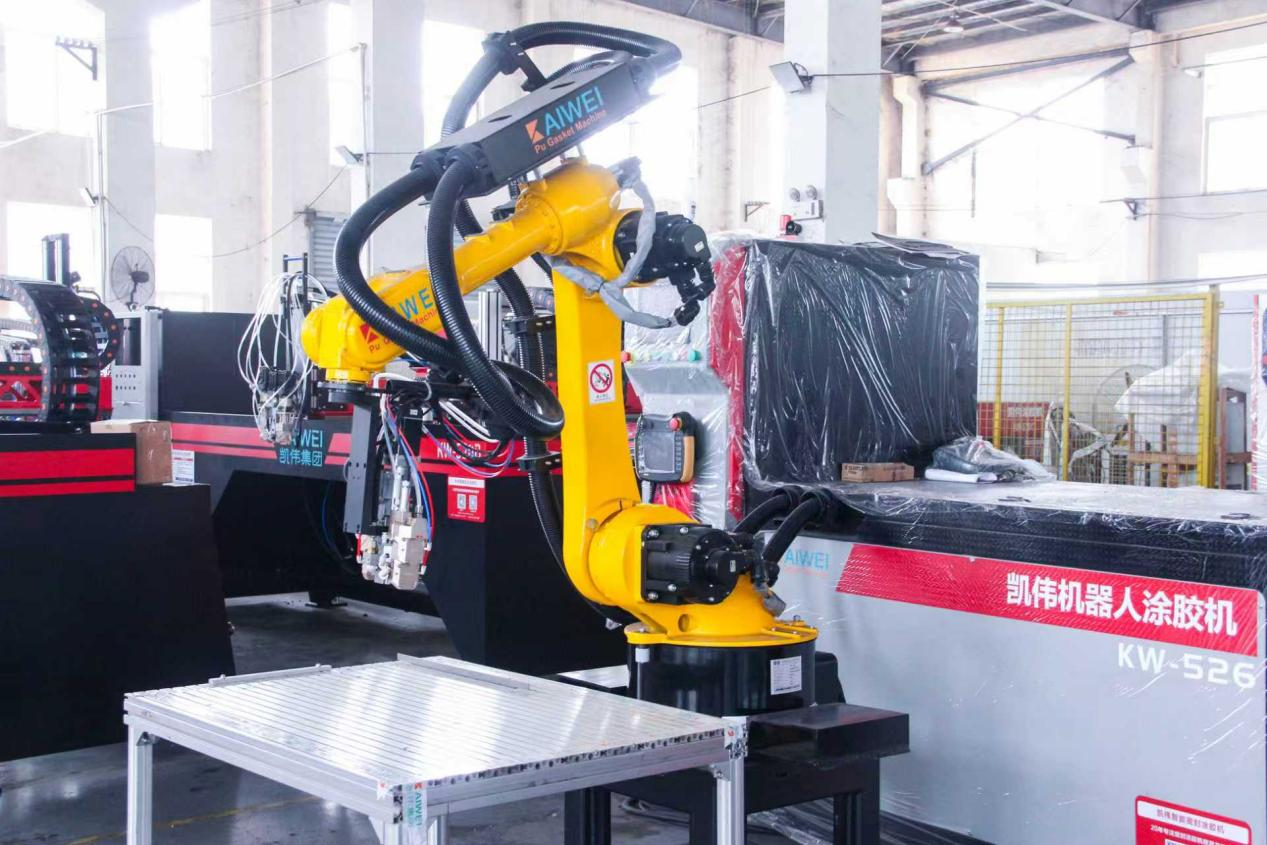
Modern automotive manufacturing demands precision, reliability, and efficiency in every component production process. Kaiwei gasket sealing machine has revolutionized how manufacturers approach sealing solutions for critical automotive parts, particularly automobile battery covers. These sophisticated machines deliver consistent, high-quality seals that meet stringent automotive industry standards while optimizing production workflows and reducing operational costs.
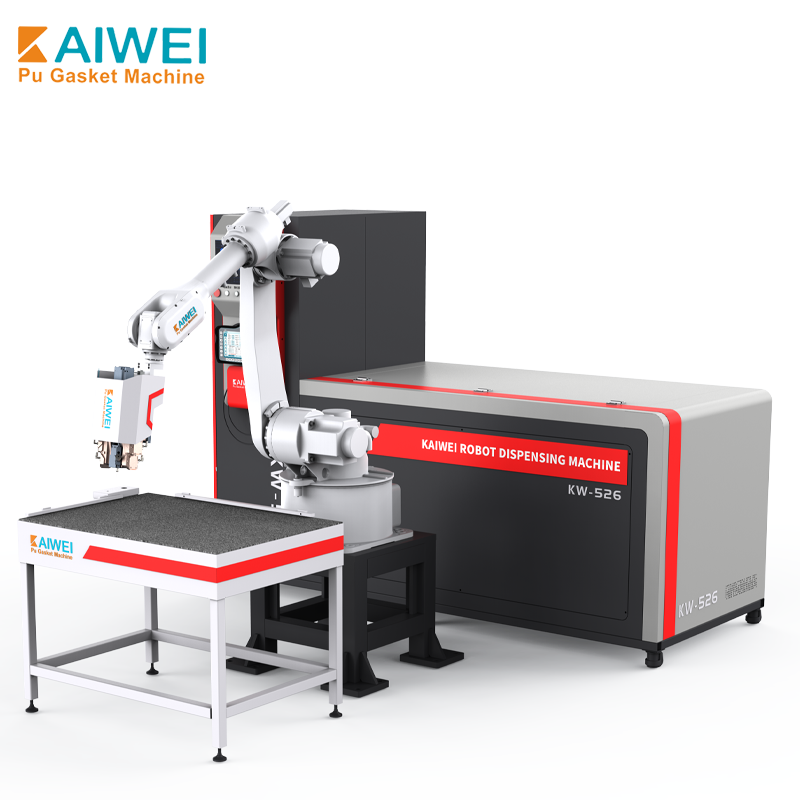
Automobile battery covers require exceptional sealing performance to protect sensitive electrical components from moisture, dust, and chemical exposure. A properly configured Kaiwei gasket sealing machine ensures that every battery cover gasket maintains optimal compression characteristics and long-term durability. The precision engineering of these machines allows manufacturers to achieve consistent seal quality across thousands of units, eliminating the variability often associated with manual sealing processes.
The integration of advanced Kaiwei gasket sealing machine technology into automotive production lines represents a significant leap forward in manufacturing efficiency. These machines combine precise material dispensing, automated positioning systems, and real-time quality monitoring to deliver superior sealing solutions. The result is enhanced product reliability, reduced warranty claims, and improved customer satisfaction across automotive applications.
Advanced Technology Integration in Modern Sealing Systems
Precision Control Mechanisms
Kaiwei gasket sealing machine designs incorporate sophisticated control systems that monitor every aspect of the sealing process. Temperature regulation ensures optimal material flow characteristics, while pressure sensors maintain consistent application force across the entire sealing perimeter. These precision control mechanisms eliminate common sealing defects such as incomplete coverage, material overflow, and inconsistent thickness variations that can compromise battery cover performance.
The computerized control interface of a modern gasket sealing machine allows operators to store multiple sealing profiles for different battery cover configurations. This flexibility enables manufacturers to quickly switch between product variants without extensive machine reconfiguration. The system maintains detailed production records, tracking key parameters such as cycle times, material consumption, and quality metrics for comprehensive process optimization.
Material Handling and Dispensing Systems
Advanced material handling capabilities distinguish professional-grade gasket sealing machine systems from basic alternatives. The precisely engineered dispensing mechanisms ensure accurate material placement while minimizing waste and reducing environmental impact. Heated material reservoirs maintain optimal viscosity throughout extended production runs, preventing material degradation and ensuring consistent sealing performance.
The automated material feeding systems integrated into modern gasket sealing machine designs eliminate manual material handling, reducing contamination risks and improving operator safety. These systems continuously monitor material levels and automatically adjust dispensing parameters to maintain consistent output quality. The closed-loop material handling approach also reduces exposure to potentially hazardous sealing materials, enhancing workplace safety standards.
Optimizing Battery Cover Sealing Performance
Material Selection and Compatibility
Selecting appropriate sealing materials for automobile battery covers requires careful consideration of chemical compatibility, temperature resistance, and long-term durability characteristics. A properly configured gasket sealing machine accommodates various material types, including polyurethane, silicone, and specialized automotive-grade compounds designed for harsh operating environments.
The material compatibility features of modern gasket sealing machine systems enable manufacturers to optimize sealing performance for specific application requirements. Battery covers exposed to extreme temperatures, vibration, and chemical exposure benefit from advanced material formulations that maintain sealing integrity throughout the vehicle's operational lifetime. The machine's precise dispensing capabilities ensure optimal material utilization while achieving superior sealing performance.
Quality Assurance and Testing Protocols
Comprehensive quality assurance protocols integrated into gasket sealing machine operations ensure consistent sealing performance across all production units. Automated inspection systems verify proper material placement, seal continuity, and dimensional accuracy before releasing finished components for assembly. These quality control measures significantly reduce defect rates and enhance overall product reliability.
The real-time monitoring capabilities of advanced gasket sealing machine systems provide immediate feedback on sealing quality parameters. Operators receive instant alerts when process variations exceed acceptable tolerances, enabling rapid corrective actions that prevent defective products from entering the supply chain. This proactive quality management approach reduces waste, minimizes rework costs, and maintains consistent customer satisfaction levels.
Production Efficiency and Cost Optimization
Automated Process Integration
The seamless integration of gasket sealing machine systems into automated production lines maximizes manufacturing efficiency while reducing labor requirements. Robotic material handling systems position battery covers with precise repeatability, ensuring consistent sealing results regardless of production volume fluctuations. The automated approach eliminates human error factors that can compromise sealing quality and reduces operator fatigue during extended production runs.
Advanced gasket sealing machine designs incorporate intelligent scheduling algorithms that optimize production sequences based on material changeover requirements, cure times, and downstream processing constraints. This optimization reduces idle time, minimizes material waste, and maximizes equipment utilization rates. The integrated approach delivers substantial cost savings while maintaining superior product quality standards.
Maintenance and Operational Efficiency
Preventive maintenance protocols designed specifically for gasket sealing machine operations ensure maximum uptime and consistent performance throughout extended production campaigns. Automated lubrication systems, wear monitoring sensors, and predictive maintenance algorithms minimize unexpected downtime while extending equipment service life. These maintenance strategies significantly reduce total cost of ownership while maintaining peak operational efficiency.
The modular design approach adopted in modern gasket sealing machine systems facilitates rapid component replacement and minimizes maintenance-related production interruptions. Standardized interface connections and quick-change tooling systems enable operators to perform routine maintenance tasks efficiently without specialized technical expertise. This user-friendly approach reduces training requirements and enhances overall operational flexibility.
Industry Applications and Market Trends
Automotive Manufacturing Integration
The automotive industry's shift toward electric and hybrid vehicle technologies has created new opportunities for gasket sealing machine applications in battery cover manufacturing. Electric vehicle battery systems require enhanced sealing performance to protect against moisture ingress and thermal management challenges. Advanced gasket sealing machine capabilities enable manufacturers to meet these demanding requirements while maintaining cost-effective production processes.
The scalability features of modern gasket sealing machine systems accommodate the varying production volumes typical of automotive manufacturing. From prototype development through high-volume production, these machines deliver consistent sealing quality while adapting to changing production requirements. This flexibility enables manufacturers to respond effectively to market demands and optimize their competitive positioning.
Technological Innovation and Future Development
Emerging technologies such as artificial intelligence and machine learning are being integrated into next-generation gasket sealing machine designs to enhance process optimization and predictive maintenance capabilities. These innovations enable continuous improvement in sealing quality while reducing operational costs and environmental impact. The evolution of smart manufacturing concepts positions gasket sealing machine technology at the forefront of Industry 4.0 initiatives.
The development of environmentally sustainable sealing materials and processes represents a significant trend in gasket sealing machine evolution. Manufacturers are increasingly adopting water-based and low-emission sealing compounds that reduce environmental impact without compromising performance. Modern gasket sealing machine systems accommodate these new materials while maintaining superior sealing quality and production efficiency.
Implementation Strategies and Best Practices
System Selection and Configuration
Selecting the appropriate gasket sealing machine configuration requires careful analysis of production requirements, material specifications, and quality standards specific to automobile battery cover applications. Factors such as production volume, part geometry complexity, and sealing material characteristics influence the optimal machine specification. Professional consultation during the selection process ensures that the chosen gasket sealing machine delivers maximum value and performance.
The configuration flexibility of modern gasket sealing machine systems accommodates diverse production scenarios while maintaining consistent quality standards. Modular component designs enable customization for specific application requirements without compromising system reliability or increasing maintenance complexity. This adaptability ensures long-term viability as production requirements evolve and new technologies emerge.
Training and Operational Excellence
Comprehensive operator training programs ensure maximum utilization of gasket sealing machine capabilities while maintaining safety standards and quality consistency. Training modules cover system operation, maintenance procedures, troubleshooting techniques, and quality control protocols specific to automobile battery cover sealing applications. Well-trained operators significantly enhance system performance and reduce operational costs.
The implementation of standardized operating procedures for gasket sealing machine operations ensures consistent results across multiple production shifts and operators. Documentation of best practices, parameter settings, and quality standards facilitates knowledge transfer and maintains process consistency. Regular performance reviews and continuous improvement initiatives optimize machine utilization and enhance overall production efficiency.
FAQ
What factors determine the optimal gasket sealing machine specification for automobile battery cover applications
The optimal gasket sealing machine specification depends on several critical factors including production volume requirements, battery cover geometry complexity, sealing material characteristics, and quality standards. Production volume determines the required cycle time and automation level, while part geometry influences tooling complexity and material dispensing requirements. Sealing material properties such as viscosity, cure characteristics, and temperature sensitivity affect machine configuration needs. Additionally, quality standards for sealing performance, dimensional accuracy, and long-term durability influence the selection of control systems and inspection capabilities required in the gasket sealing machine.
How does automated gasket sealing machine technology improve production efficiency compared to manual processes
Automated gasket sealing machine technology delivers substantial efficiency improvements through consistent cycle times, eliminated human error factors, and reduced labor requirements. The precision control systems ensure uniform material application and optimal sealing performance across all production units, eliminating the variability inherent in manual processes. Automated systems operate continuously without fatigue-related performance degradation, enabling extended production runs with maintained quality standards. Integration with robotic material handling systems further enhances efficiency by eliminating manual positioning tasks and reducing cycle times. The comprehensive process monitoring and quality control capabilities of automated gasket sealing machine systems also reduce defect rates and minimize rework requirements.
What maintenance requirements are essential for optimal gasket sealing machine performance
Essential maintenance requirements for optimal gasket sealing machine performance include regular cleaning of material dispensing systems, calibration of pressure and temperature control mechanisms, and inspection of wear components such as seals and dispensing tips. Preventive lubrication of mechanical components according to manufacturer specifications prevents premature wear and ensures smooth operation. Material system purging procedures prevent contamination and material degradation that can compromise sealing quality. Regular verification of control system accuracy through calibration checks maintains consistent sealing parameters. Additionally, replacement of consumable components such as filters, seals, and dispensing nozzles according to recommended intervals prevents unexpected failures and maintains peak performance levels.
How do material compatibility considerations affect gasket sealing machine selection and operation
Material compatibility considerations significantly influence gasket sealing machine selection through requirements for temperature control, chemical resistance, and dispensing system configuration. Different sealing materials require specific temperature ranges for optimal flow characteristics and cure performance, necessitating appropriate heating and cooling capabilities. Chemical compatibility between sealing materials and machine components such as pumps, valves, and dispensing nozzles ensures long-term reliability and prevents contamination issues. The viscosity characteristics of sealing materials determine the required pump capacity, pressure capabilities, and dispensing tip configurations. Additionally, cure characteristics of sealing materials influence the timing requirements and environmental control needs for optimal sealing performance. Proper material compatibility ensures reliable gasket sealing machine operation and consistent product quality.
Table of Contents
- Advanced Technology Integration in Modern Sealing Systems
- Optimizing Battery Cover Sealing Performance
- Production Efficiency and Cost Optimization
- Industry Applications and Market Trends
- Implementation Strategies and Best Practices
-
FAQ
- What factors determine the optimal gasket sealing machine specification for automobile battery cover applications
- How does automated gasket sealing machine technology improve production efficiency compared to manual processes
- What maintenance requirements are essential for optimal gasket sealing machine performance
- How do material compatibility considerations affect gasket sealing machine selection and operation