 EN
EN

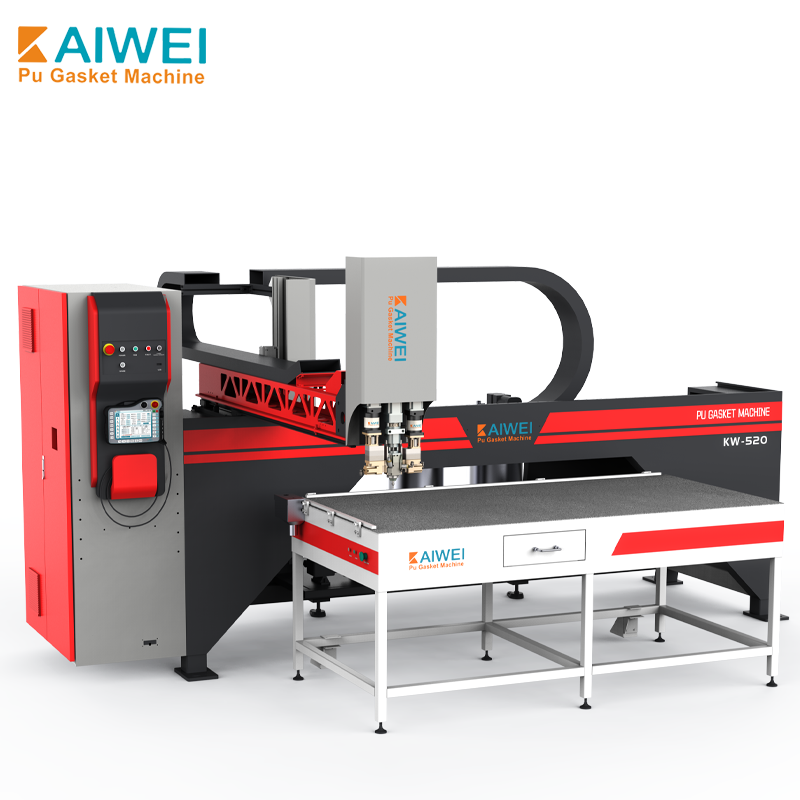
The electrical control panel industry faces unprecedented demands for precision sealing solutions that can withstand extreme environmental conditions while maintaining optimal performance. Modern manufacturing facilities require advanced sealing technologies that deliver consistent quality, reduce production costs, and ensure long-term reliability. The evolution of gasket machine technology has transformed how manufacturers approach sealing applications, particularly in electrical control panels where precision and durability are non-negotiable requirements.
Polyurethane foam gaskets have emerged as the preferred choice for electrical enclosures due to their exceptional sealing properties, chemical resistance, and ability to maintain compression over extended periods. The integration of automated dispensing systems has revolutionized the production process, enabling manufacturers to achieve consistent foam application while reducing material waste and labor costs. These technological advancements have positioned modern gasket machines as essential equipment for companies seeking to maintain competitive advantages in the electrical control panel market.
Advanced Sealing Technology for Electrical Applications
Precision Foam Dispensing Systems
Modern gasket machine systems incorporate sophisticated dispensing mechanisms that ensure precise foam placement with minimal variation across production runs. These systems utilize programmable logic controllers that can adjust flow rates, cure times, and application patterns based on specific gasket requirements. The precision achieved through automated dispensing eliminates common sealing failures that result from human error or inconsistent manual application methods.
The integration of servo-driven positioning systems enables the gasket machine to follow complex geometric patterns with accuracy levels previously unattainable through conventional methods. This capability proves particularly valuable when manufacturing electrical control panels with intricate cutouts, cable entry points, and mounting configurations that require customized sealing solutions.
Material Properties and Performance Characteristics
Polyurethane foam gaskets exhibit superior performance characteristics compared to traditional rubber or silicone alternatives, particularly in electrical applications where temperature fluctuations and chemical exposure are common concerns. The closed-cell structure of polyurethane foam provides excellent moisture resistance while maintaining flexibility across a wide temperature range.
The chemical inertness of polyurethane foam makes it suitable for use in environments where gaskets may be exposed to cleaning solvents, lubricants, or other industrial chemicals commonly found in electrical installations. This resistance extends the service life of sealing systems and reduces maintenance requirements for end users.
Manufacturing Efficiency and Production Benefits
Automated Production Workflows
The implementation of automated gasket machine technology significantly reduces production cycle times while improving consistency across manufactured units. These systems can operate continuously with minimal supervision, allowing manufacturers to reallocate human resources to value-added activities such as quality control and product development initiatives.
Real-time monitoring capabilities built into modern gasket machines provide operators with detailed production data, enabling proactive maintenance scheduling and quality optimization. The ability to track material consumption, cure rates, and dimensional accuracy helps manufacturers identify optimization opportunities and reduce overall production costs.
Quality Control and Consistency Standards
Advanced gasket machine systems incorporate multiple quality control mechanisms that ensure each gasket meets specified dimensional tolerances and performance requirements. Vision systems can detect irregularities in foam application, while pressure sensors monitor gasket compression characteristics during the curing process.
The repeatability achieved through automated gasket machine operation eliminates batch-to-batch variations that can compromise sealing performance in field applications. This consistency proves particularly important for electrical control panel manufacturers who must meet strict industry standards and regulatory requirements.
Industry Applications and Market Demands
Electrical Control Panel Requirements
Electrical control panels in industrial environments must maintain protective sealing against moisture, dust, and chemical contaminants while allowing for thermal expansion and contraction. The gasket machine technology addresses these challenges by producing foam gaskets with controlled density and compression characteristics that maintain sealing integrity under varying environmental conditions.
The ability to customize gasket profiles for specific panel configurations enables manufacturers to optimize sealing performance while minimizing material usage. This flexibility proves essential when producing electrical enclosures for specialized applications such as marine environments, chemical processing facilities, or outdoor installations where sealing requirements are particularly demanding.
Market Trends and Future Developments
The growing demand for energy-efficient electrical systems has driven increased focus on sealing performance as a factor in overall system efficiency. Properly sealed electrical control panels reduce energy losses associated with air infiltration while protecting sensitive electronic components from environmental damage that could compromise system performance.
Emerging technologies in gasket machine design include integration with Industry 4.0 connectivity standards, enabling remote monitoring and predictive maintenance capabilities. These developments position gasket machine technology as a key component in smart manufacturing strategies that emphasize operational efficiency and data-driven decision making.
Technical Specifications and Performance Parameters
Operating Characteristics and Capabilities
High-performance gasket machine systems typically feature variable flow rate controls that can accommodate different foam formulations and application requirements. The ability to adjust dispensing parameters in real-time allows operators to optimize material properties for specific environmental conditions or performance requirements.
Temperature control systems maintain optimal curing conditions regardless of ambient environmental variations, ensuring consistent gasket properties across all production runs. This temperature stability proves critical when manufacturing gaskets for electrical applications where dimensional accuracy directly impacts sealing effectiveness.
Integration and Compatibility Considerations
Modern gasket machine designs emphasize compatibility with existing production line equipment and workflow processes. Standardized interfaces enable seamless integration with conveyor systems, robotic handling equipment, and quality inspection stations without requiring extensive modifications to existing manufacturing infrastructure.
The modular design approach adopted by leading gasket machine manufacturers allows for future expansion or modification of production capabilities as market demands evolve. This scalability ensures that initial equipment investments remain viable as production volumes increase or product requirements change.
Economic Impact and Return on Investment
Cost Analysis and Operational Savings
The transition to automated gasket machine technology typically generates significant cost savings through reduced material waste, improved labor efficiency, and decreased reject rates. These operational improvements often result in payback periods of less than two years for manufacturers with moderate production volumes.
Long-term economic benefits include reduced warranty claims and field service requirements due to improved sealing reliability. The consistent quality achieved through gasket machine automation translates to enhanced customer satisfaction and potential for premium pricing strategies.
Competitive Advantages and Market Positioning
Manufacturers utilizing advanced gasket machine technology can offer shorter lead times and greater customization capabilities compared to competitors relying on conventional sealing methods. This responsiveness proves particularly valuable in markets where electrical control panel requirements vary significantly across different applications or industries.
The ability to guarantee sealing performance through documented gasket machine parameters provides manufacturers with competitive differentiation opportunities in markets where reliability and performance assurance are primary customer concerns.
FAQ
What are the main advantages of using automated gasket machines for electrical control panels
Automated gasket machines provide superior consistency, reduced material waste, and improved production efficiency compared to manual sealing methods. They ensure precise foam application that meets strict dimensional tolerances required for electrical applications while reducing labor costs and minimizing quality variations.
How does polyurethane foam compare to traditional gasket materials for electrical enclosures
Polyurethane foam offers superior moisture resistance, chemical compatibility, and temperature stability compared to rubber or silicone alternatives. The closed-cell structure provides excellent sealing properties while maintaining flexibility across wide temperature ranges, making it ideal for electrical control panel applications.
What factors should be considered when selecting a gasket machine for electrical panel production
Key considerations include dispensing accuracy, temperature control capabilities, integration compatibility with existing equipment, and the ability to handle various foam formulations. Production volume requirements, available floor space, and future expansion needs should also influence the selection process.
Can gasket machines accommodate custom sealing patterns for specialized electrical enclosures
Modern gasket machines feature programmable dispensing patterns that can accommodate complex geometries and custom sealing requirements. Advanced positioning systems enable precise foam placement around cable entries, mounting points, and irregular panel configurations commonly found in specialized electrical applications.
Table of Contents
- Advanced Sealing Technology for Electrical Applications
- Manufacturing Efficiency and Production Benefits
- Industry Applications and Market Demands
- Technical Specifications and Performance Parameters
- Economic Impact and Return on Investment
-
FAQ
- What are the main advantages of using automated gasket machines for electrical control panels
- How does polyurethane foam compare to traditional gasket materials for electrical enclosures
- What factors should be considered when selecting a gasket machine for electrical panel production
- Can gasket machines accommodate custom sealing patterns for specialized electrical enclosures