 EN
EN

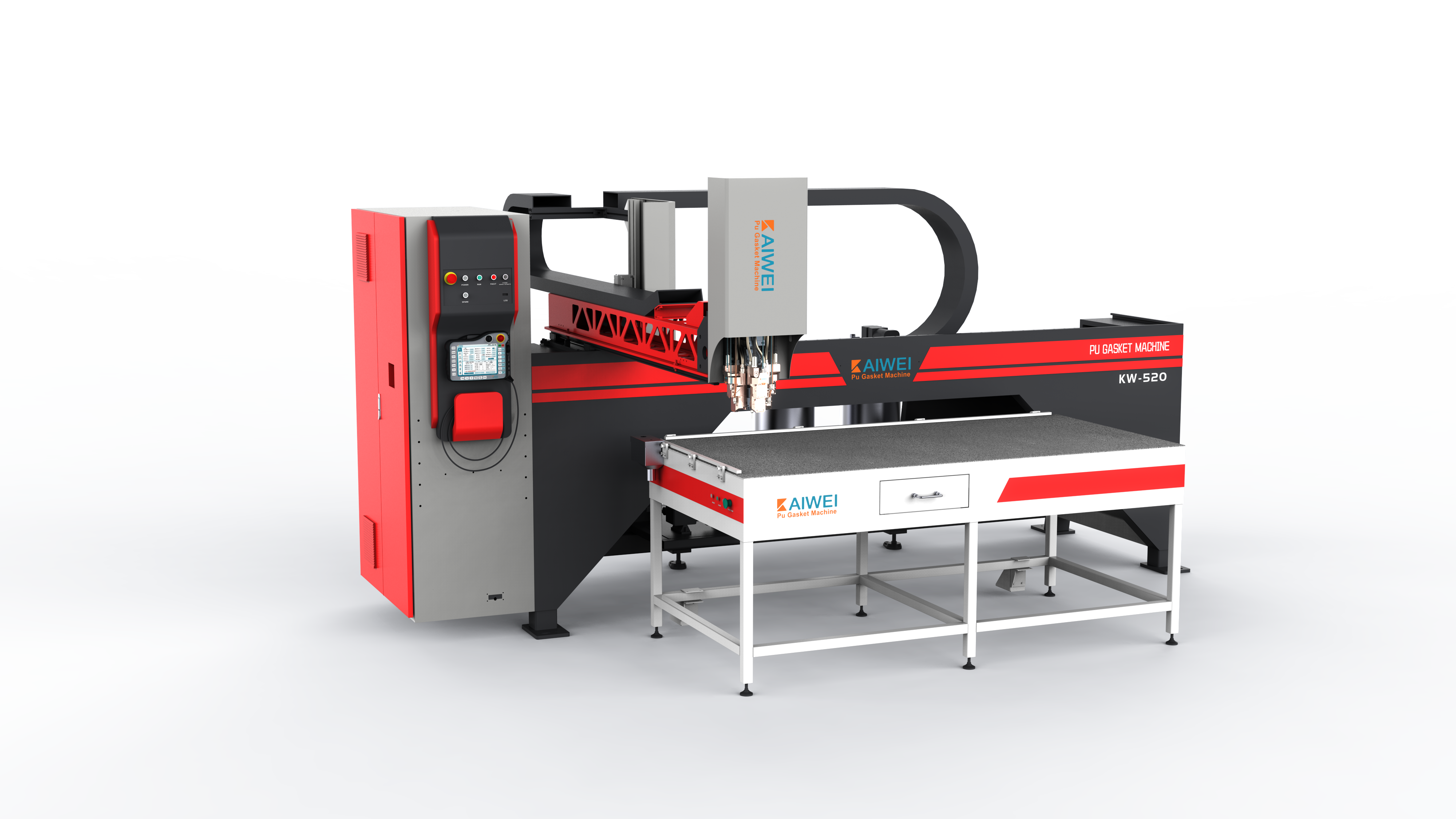
Stadium lighting systems demand exceptional sealing solutions to withstand harsh environmental conditions while maintaining optimal performance. A Kaiwei versatile gasket machine represents the cornerstone of modern manufacturing processes, enabling the production of high-quality sealing components that meet the stringent requirements of large-scale lighting installations. These sophisticated machines have revolutionized how manufacturers approach gasket production, offering unprecedented flexibility and precision in creating sealing solutions for diverse applications. The integration of advanced polyurethane technology with automated manufacturing processes has positioned the versatile gasket machine as an indispensable tool in the lighting industry, particularly for stadium and outdoor illumination systems where reliability is paramount.
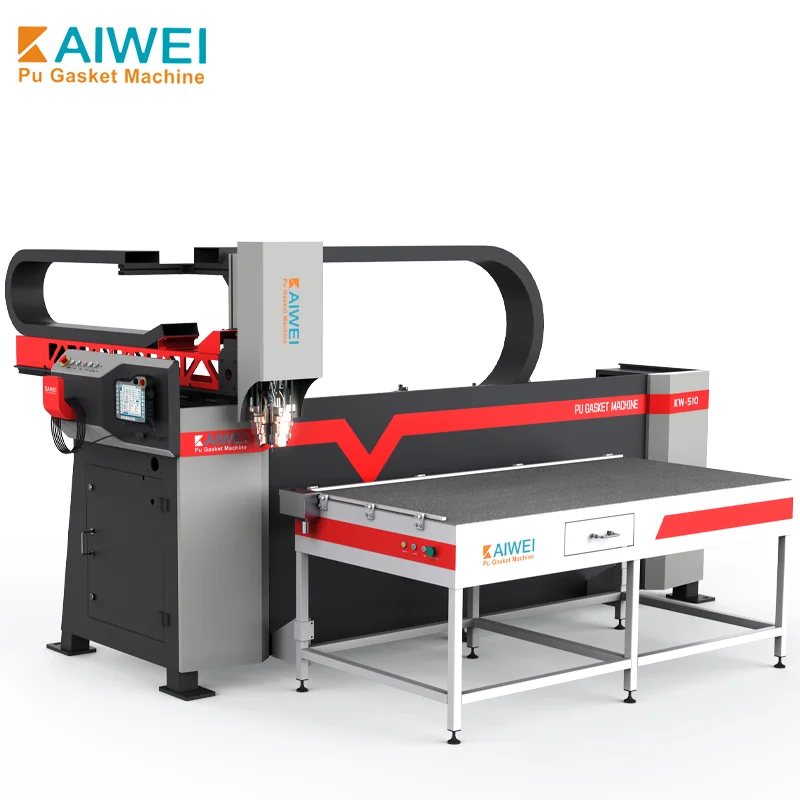
Understanding Stadium Lighting Sealing Challenges
Environmental Factors Affecting Stadium Lighting
Stadium lighting systems face numerous environmental challenges that directly impact the performance and longevity of sealing components. Temperature fluctuations, moisture exposure, and UV radiation create demanding conditions that require specialized gasket solutions. The versatile gasket machine addresses these challenges by producing polyurethane seals with superior weather resistance and dimensional stability. These machines enable manufacturers to create gaskets that maintain their sealing properties across extreme temperature ranges, typically from -40°C to 120°C, ensuring consistent performance throughout varying seasonal conditions.
Wind loads and vibration present additional complications for stadium lighting installations, requiring gaskets that can accommodate movement without compromising seal integrity. Modern stadium lighting fixtures must maintain their sealing effectiveness despite constant exposure to wind-induced stress and thermal cycling. The advanced capabilities of a versatile gasket machine allow for the production of flexible yet durable seals that can withstand these dynamic forces while maintaining their original form and function.
Moisture and Ingress Protection Requirements
Stadium lighting systems require gaskets that provide exceptional moisture protection to prevent water ingress that could damage sensitive electrical components. The IP rating requirements for stadium lighting typically range from IP65 to IP68, demanding precise gasket manufacturing tolerances. A Kaiwei versatile gasket machine equipped with advanced metering systems ensures consistent material distribution and uniform cross-sectional geometry, critical factors in achieving reliable moisture barriers.
The chemical resistance properties of gaskets produced by modern versatile gasket machine technology enable protection against various environmental contaminants including salt spray in coastal stadiums, industrial pollutants in urban environments, and cleaning chemicals used in facility maintenance. This comprehensive chemical resistance extends the service life of stadium lighting systems and reduces maintenance requirements, providing significant long-term cost benefits for facility operators.
Advanced Polyurethane Technology in Gasket Manufacturing
Material Properties and Performance Characteristics
Polyurethane materials processed through a versatile gasket machine offer superior mechanical properties compared to traditional rubber compounds. The Shore A hardness can be precisely controlled during manufacturing, typically ranging from 30 to 90 Shore A, allowing customization based on specific sealing requirements. This flexibility enables manufacturers to produce gaskets with optimal compression set resistance, ensuring long-term sealing effectiveness in stadium lighting applications.
The tear strength and elongation properties of polyurethane gaskets make them particularly suitable for stadium lighting installations where mechanical stress is common. A properly configured versatile gasket machine can achieve tear strengths exceeding 150 N/mm while maintaining elongation values of 400% or higher, providing exceptional durability under demanding service conditions.
Processing Advantages of Modern Equipment
Contemporary versatile gasket machine designs incorporate precise temperature control systems that optimize polyurethane curing processes. These systems maintain material temperatures within ±2°C tolerances, ensuring consistent cross-linking and optimal physical properties in finished gaskets. The controlled curing environment prevents common defects such as air entrapment and uneven density distribution that can compromise sealing performance.
Automated mixing and dispensing capabilities of advanced versatile gasket machine models eliminate human error in material preparation while ensuring consistent stoichiometric ratios between polyol and isocyanate components. This precision directly translates to improved batch-to-batch consistency and enhanced quality control in gasket production for stadium lighting applications.
Customization Capabilities for Stadium Applications
Geometric Flexibility and Design Adaptation
Stadium lighting fixtures often require custom gasket geometries to accommodate unique housing designs and mounting configurations. A versatile gasket machine equipped with programmable dispensing heads can produce complex cross-sectional profiles including hollow sections, multiple sealing lips, and integrated mounting features. This geometric flexibility eliminates the need for secondary operations and reduces manufacturing costs while improving overall product quality.
The ability to produce gaskets with variable cross-sections along their length represents a significant advantage of modern versatile gasket machine technology. Stadium lighting applications may require gaskets with different sealing characteristics in various sections of the same component, such as enhanced compression in corner areas or reduced durometer in areas requiring flexibility for thermal expansion.
Color and Identification Features
Stadium maintenance operations benefit from gaskets produced by a versatile gasket machine that incorporates color coding and identification features. Custom color formulations enable easy identification of different gasket specifications during installation and maintenance procedures. UV-stable pigment systems maintain color integrity throughout extended outdoor exposure, ensuring long-term identification reliability.
Embedded identification features such as alphanumeric characters or logos can be molded directly into gaskets during production using specialized tooling on a versatile gasket machine. This capability provides permanent part identification that cannot be removed or obscured, facilitating proper installation procedures and quality traceability in stadium lighting maintenance programs.
Production Efficiency and Quality Control
Automated Manufacturing Processes
Modern versatile gasket machine operations integrate sophisticated automation systems that significantly reduce production cycle times while maintaining consistent quality standards. Automated material handling systems ensure continuous production flow, minimizing downtime between batches and maximizing manufacturing efficiency. These systems typically achieve cycle times 30-50% faster than manual operations while eliminating variability associated with human operators.
Real-time monitoring capabilities built into advanced versatile gasket machine control systems provide immediate feedback on critical process parameters including material temperature, dispensing pressure, and cure progression. This continuous monitoring enables proactive adjustments to maintain optimal processing conditions and prevent quality defects before they occur in finished gaskets.
Quality Assurance and Testing Integration
Integrated quality control features of contemporary versatile gasket machine designs include automated dimensional inspection systems that verify gasket geometry during production. Laser measurement systems can detect dimensional variations as small as ±0.1mm, ensuring compliance with tight tolerances required for stadium lighting sealing applications. This real-time quality verification reduces waste and eliminates the need for extensive post-production inspection.
Statistical process control capabilities integrated into versatile gasket machine operating systems provide comprehensive production data analysis and trend monitoring. This information enables predictive maintenance scheduling and process optimization, resulting in improved overall equipment effectiveness and reduced total cost of ownership for gasket manufacturing operations.
Installation and Maintenance Considerations
Gasket Installation Procedures
Proper installation procedures for gaskets produced by a versatile gasket machine are critical to achieving optimal sealing performance in stadium lighting systems. Installation guidelines must account for the specific properties of polyurethane materials, including their sensitivity to petroleum-based lubricants and solvents. Water-based installation aids or specialized polyurethane-compatible lubricants should be used to prevent material degradation during assembly.
Compression requirements for gaskets manufactured on a versatile gasket machine typically range from 15% to 25% of original thickness, depending on the specific hardness and application requirements. Proper compression ensures adequate sealing force while preventing excessive stress that could lead to premature failure or permanent deformation of the gasket material.
Preventive Maintenance Programs
Stadium lighting systems benefit from structured preventive maintenance programs that include regular inspection of sealing components. Gaskets produced by a versatile gasket machine using high-quality polyurethane materials typically require inspection intervals of 12-18 months, significantly longer than traditional rubber seals. Visual inspection procedures should focus on identifying signs of UV degradation, mechanical wear, or chemical attack that might compromise sealing effectiveness.
Replacement scheduling for polyurethane gaskets manufactured on a versatile gasket machine can be optimized based on actual service conditions and historical performance data. Typical service life expectations range from 5-10 years depending on environmental severity and maintenance practices, providing excellent long-term value for stadium operators.
Cost-Effectiveness and Return on Investment
Manufacturing Cost Analysis
Investment in a versatile gasket machine for stadium lighting gasket production offers significant economic advantages over traditional manufacturing methods or outsourced supply arrangements. Direct material costs for polyurethane gasket production are typically 20-30% lower than equivalent silicone or fluorocarbon alternatives while providing superior performance characteristics. The ability to produce gaskets on-demand eliminates inventory carrying costs and reduces obsolescence risk for specialized configurations.
Labor efficiency improvements associated with versatile gasket machine automation result in production cost reductions of 40-60% compared to manual molding processes. Reduced scrap rates and improved first-pass quality yields further enhance the economic benefits of automated gasket manufacturing for stadium lighting applications.
Long-Term Value Proposition
The extended service life of gaskets produced by a versatile gasket machine translates to reduced maintenance costs and improved system reliability for stadium operators. Fewer gasket replacement cycles mean reduced labor costs, lower spare parts inventory requirements, and decreased system downtime during maintenance operations. These operational benefits often justify the initial equipment investment within 2-3 years of operation.
Energy efficiency improvements in stadium lighting systems sealed with high-quality gaskets contribute to ongoing operational savings. Proper sealing prevents moisture ingress that can cause electrical inefficiency or component failure, maintaining optimal lighting performance while reducing energy consumption and extending equipment life.
Future Developments in Gasket Technology
Smart Manufacturing Integration
Future developments in versatile gasket machine technology will incorporate Industry 4.0 concepts including IoT connectivity and artificial intelligence optimization. Smart sensors will provide predictive maintenance capabilities for the manufacturing equipment while machine learning algorithms optimize process parameters based on real-time quality feedback and historical performance data.
Digital twin technology integration will enable virtual process optimization and predictive quality modeling, allowing manufacturers to optimize versatile gasket machine operations before implementing changes in actual production. This capability will further improve quality consistency while reducing development time for new gasket designs and material formulations.
Advanced Material Formulations
Emerging polyurethane formulations designed specifically for versatile gasket machine processing will offer enhanced UV stability, improved chemical resistance, and extended temperature ranges. Nano-enhanced materials will provide superior barrier properties while maintaining the processing advantages that make polyurethane ideal for automated gasket manufacturing.
Bio-based polyurethane materials compatible with versatile gasket machine processing will address sustainability concerns while maintaining performance standards required for stadium lighting applications. These materials will offer comparable mechanical properties to petroleum-based alternatives while reducing environmental impact and supporting corporate sustainability initiatives.
FAQ
What are the key advantages of using a versatile gasket machine for stadium lighting applications
A versatile gasket machine offers superior precision in gasket manufacturing, enabling the production of sealing components that meet the demanding requirements of stadium lighting systems. The automated production process ensures consistent quality, reduces manufacturing costs, and allows for rapid customization to meet specific application requirements. The ability to process advanced polyurethane materials provides gaskets with exceptional weather resistance, chemical compatibility, and long-term durability essential for outdoor lighting installations.
How does polyurethane gasket performance compare to traditional rubber materials in stadium environments
Polyurethane gaskets produced by a versatile gasket machine typically outperform traditional rubber materials in stadium applications due to superior UV resistance, broader temperature operating ranges, and enhanced mechanical properties. Polyurethane maintains flexibility and sealing effectiveness across temperature ranges from -40°C to 120°C, while traditional rubber materials may become brittle or lose elasticity under extreme conditions. Additionally, polyurethane offers better chemical resistance to cleaning agents and environmental pollutants commonly encountered in stadium environments.
What maintenance requirements apply to gaskets manufactured using versatile gasket machine technology
Gaskets produced by a versatile gasket machine using high-quality polyurethane materials typically require minimal maintenance compared to traditional sealing solutions. Recommended inspection intervals range from 12-18 months, focusing on visual assessment for UV degradation, mechanical wear, or chemical attack. Proper installation techniques and adherence to compression specifications are essential for achieving optimal service life, which typically ranges from 5-10 years depending on environmental severity and maintenance practices.
Can versatile gasket machine technology accommodate custom geometries for specialized stadium lighting fixtures
Modern versatile gasket machine designs offer exceptional geometric flexibility through programmable dispensing systems and customizable tooling configurations. These machines can produce complex cross-sectional profiles, variable thickness gaskets, and integrated mounting features to accommodate unique stadium lighting fixture designs. The ability to rapidly change tooling and adjust processing parameters enables cost-effective production of small quantities of specialized gaskets while maintaining the quality standards required for critical sealing applications.
Table of Contents
- Understanding Stadium Lighting Sealing Challenges
- Advanced Polyurethane Technology in Gasket Manufacturing
- Customization Capabilities for Stadium Applications
- Production Efficiency and Quality Control
- Installation and Maintenance Considerations
- Cost-Effectiveness and Return on Investment
- Future Developments in Gasket Technology
-
FAQ
- What are the key advantages of using a versatile gasket machine for stadium lighting applications
- How does polyurethane gasket performance compare to traditional rubber materials in stadium environments
- What maintenance requirements apply to gaskets manufactured using versatile gasket machine technology
- Can versatile gasket machine technology accommodate custom geometries for specialized stadium lighting fixtures