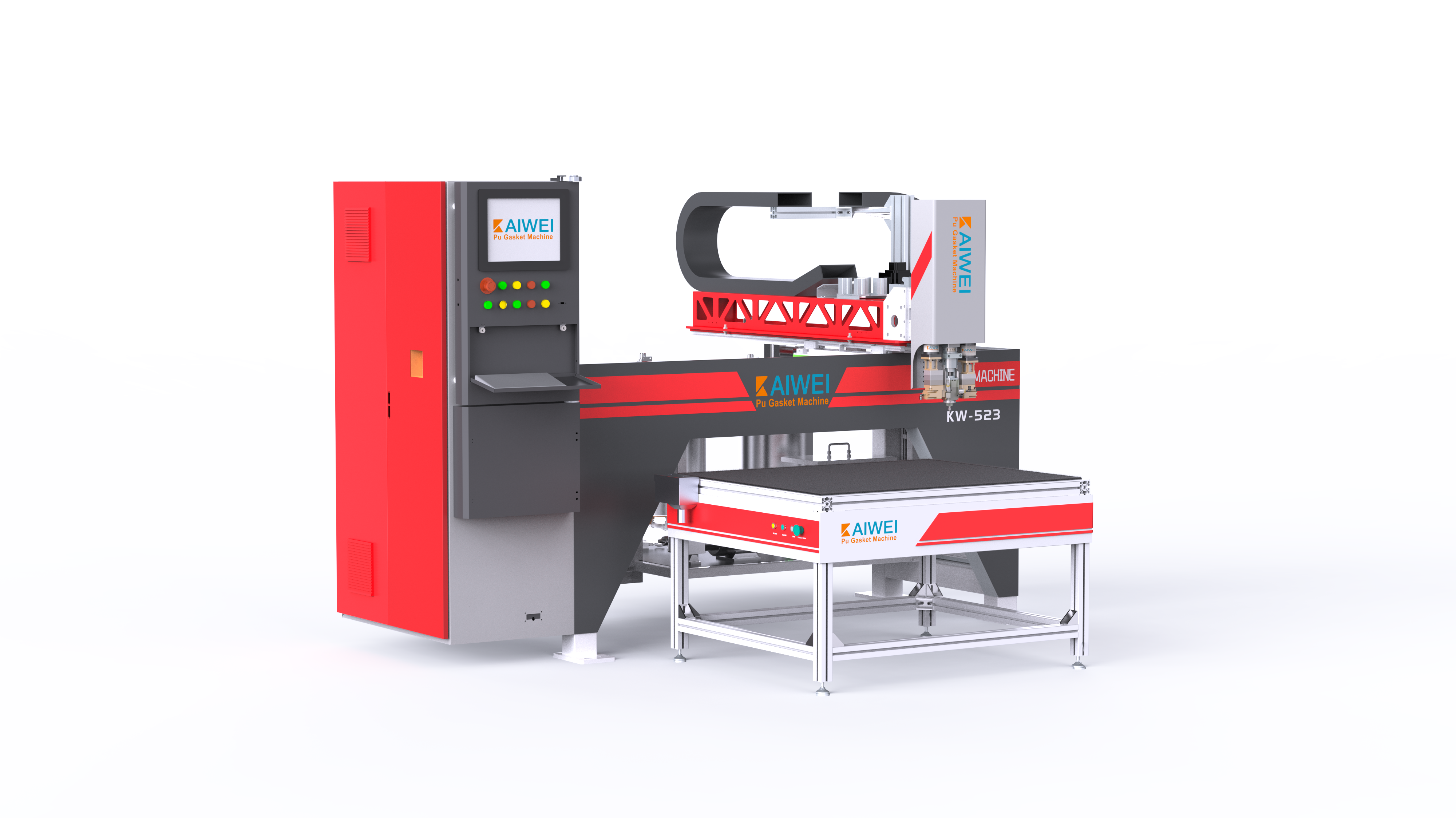
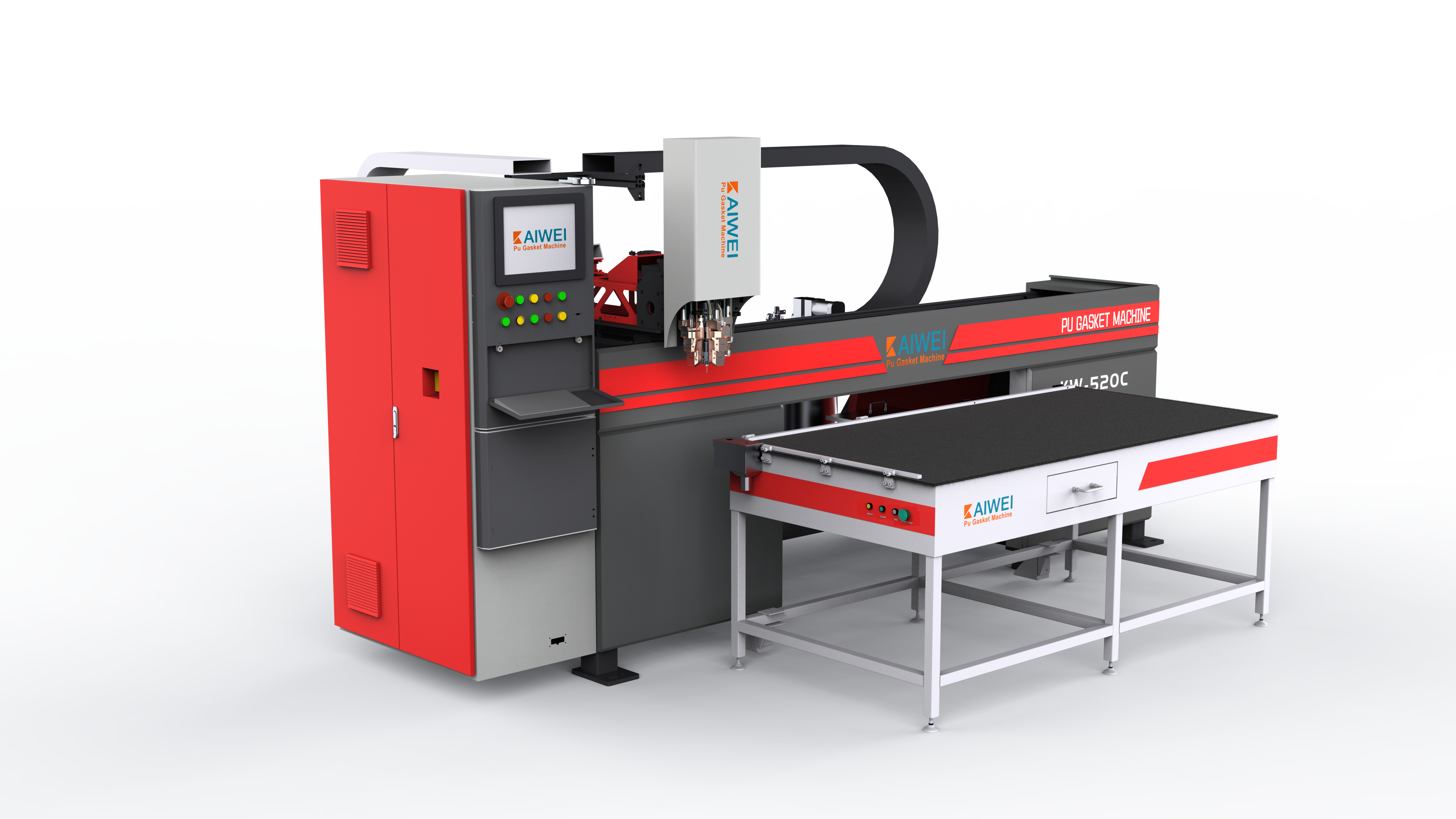
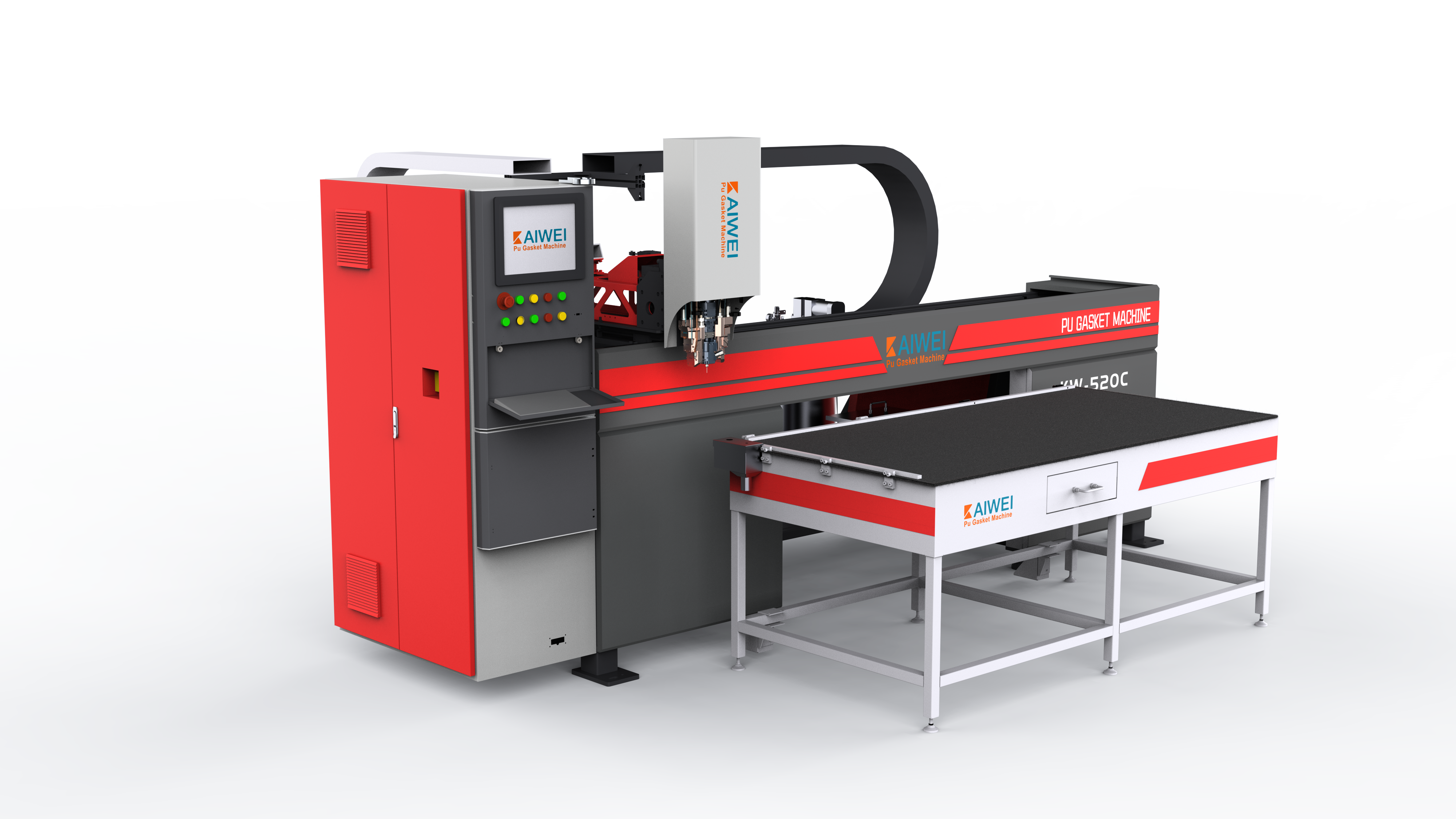
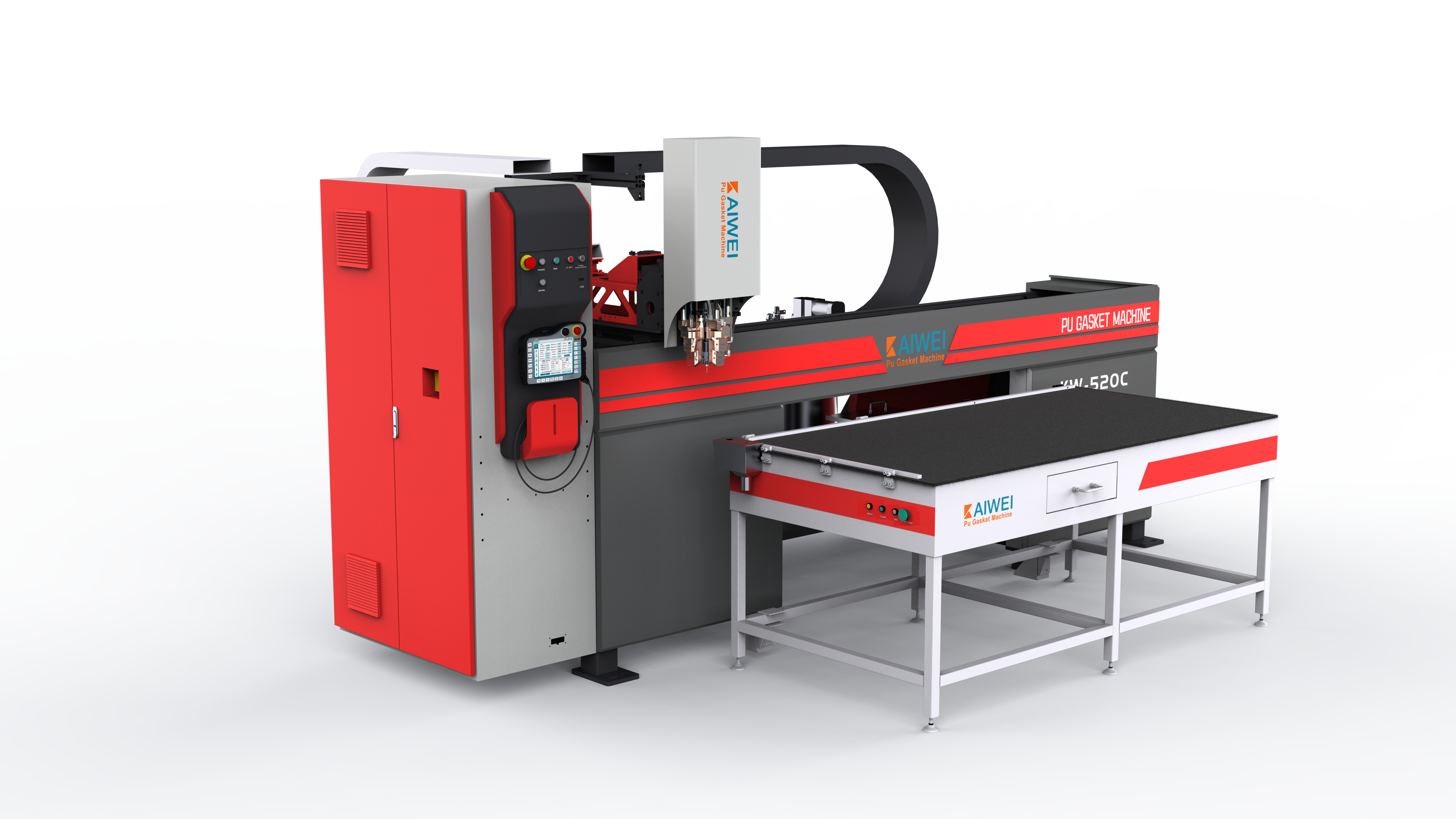
بهترین دستگاه ایجاد پbubble دو مولفهای
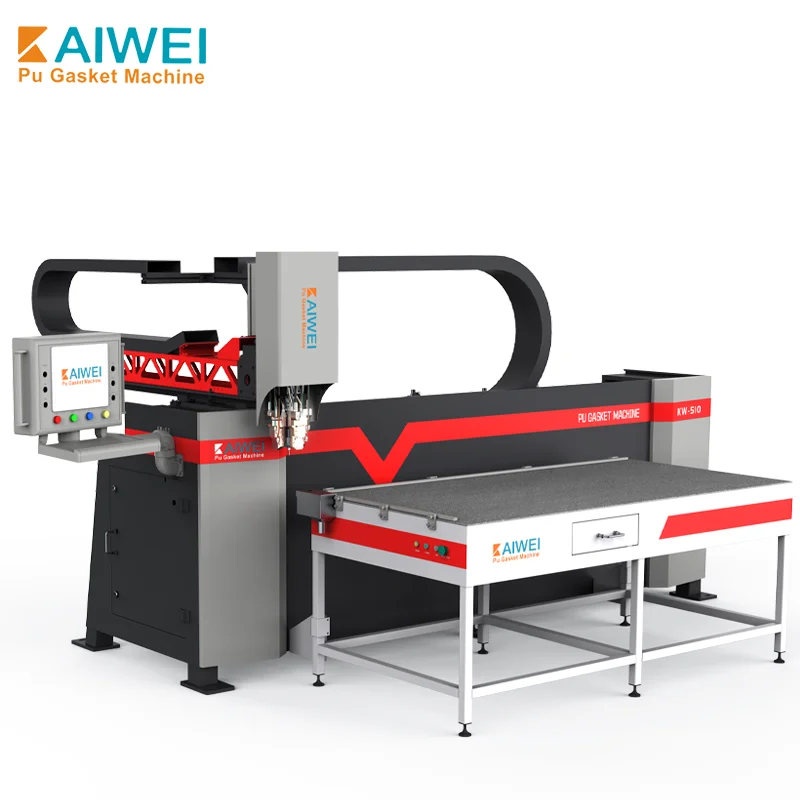
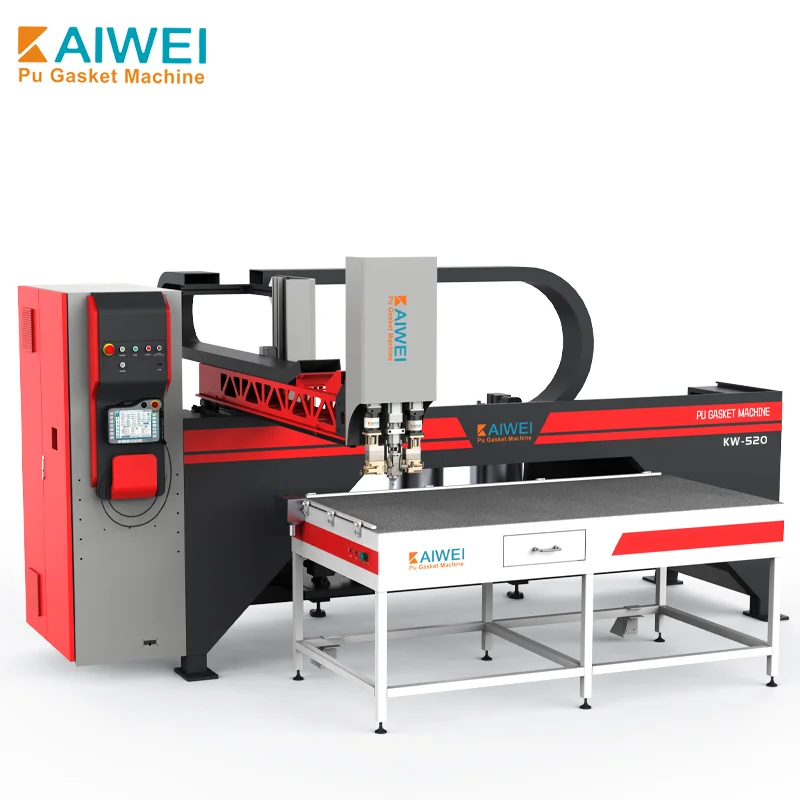
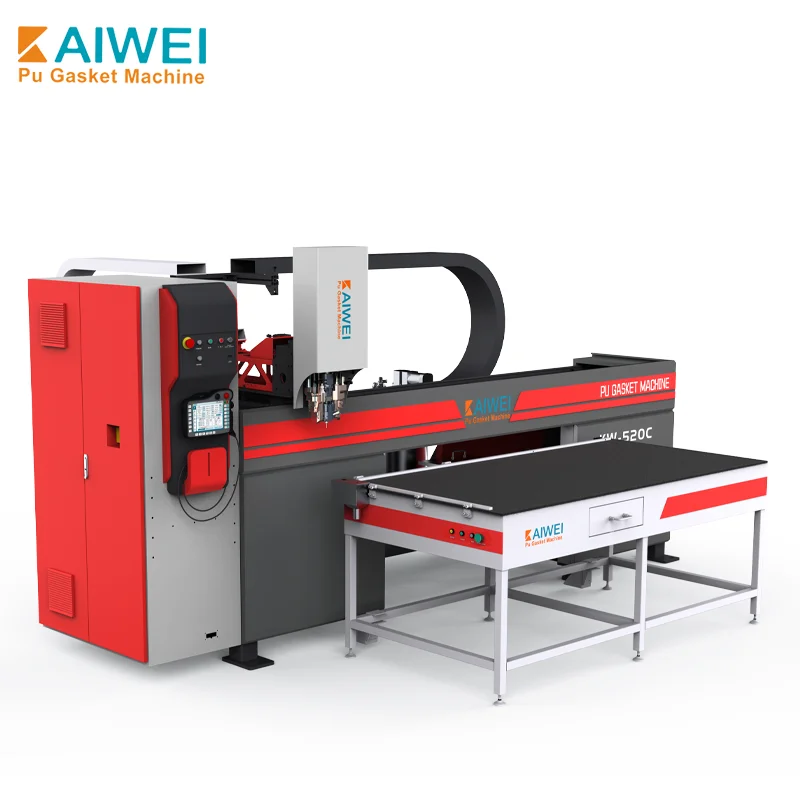
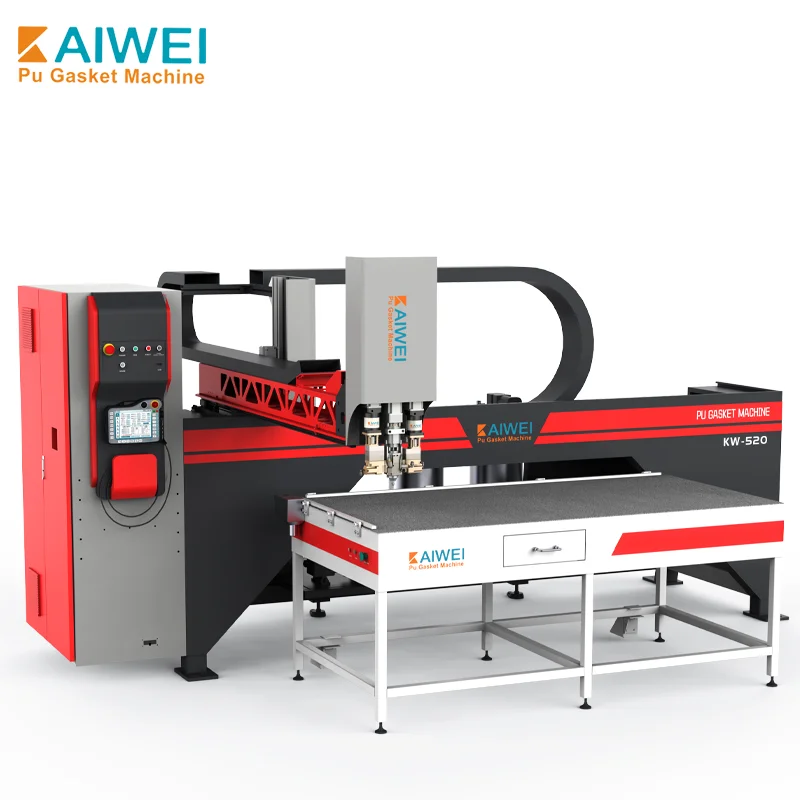
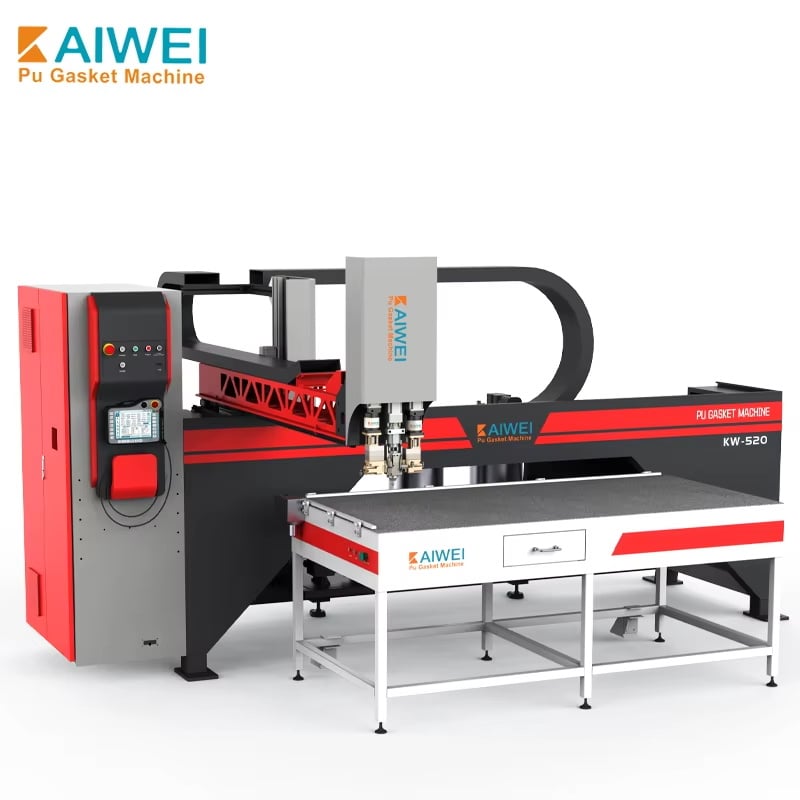
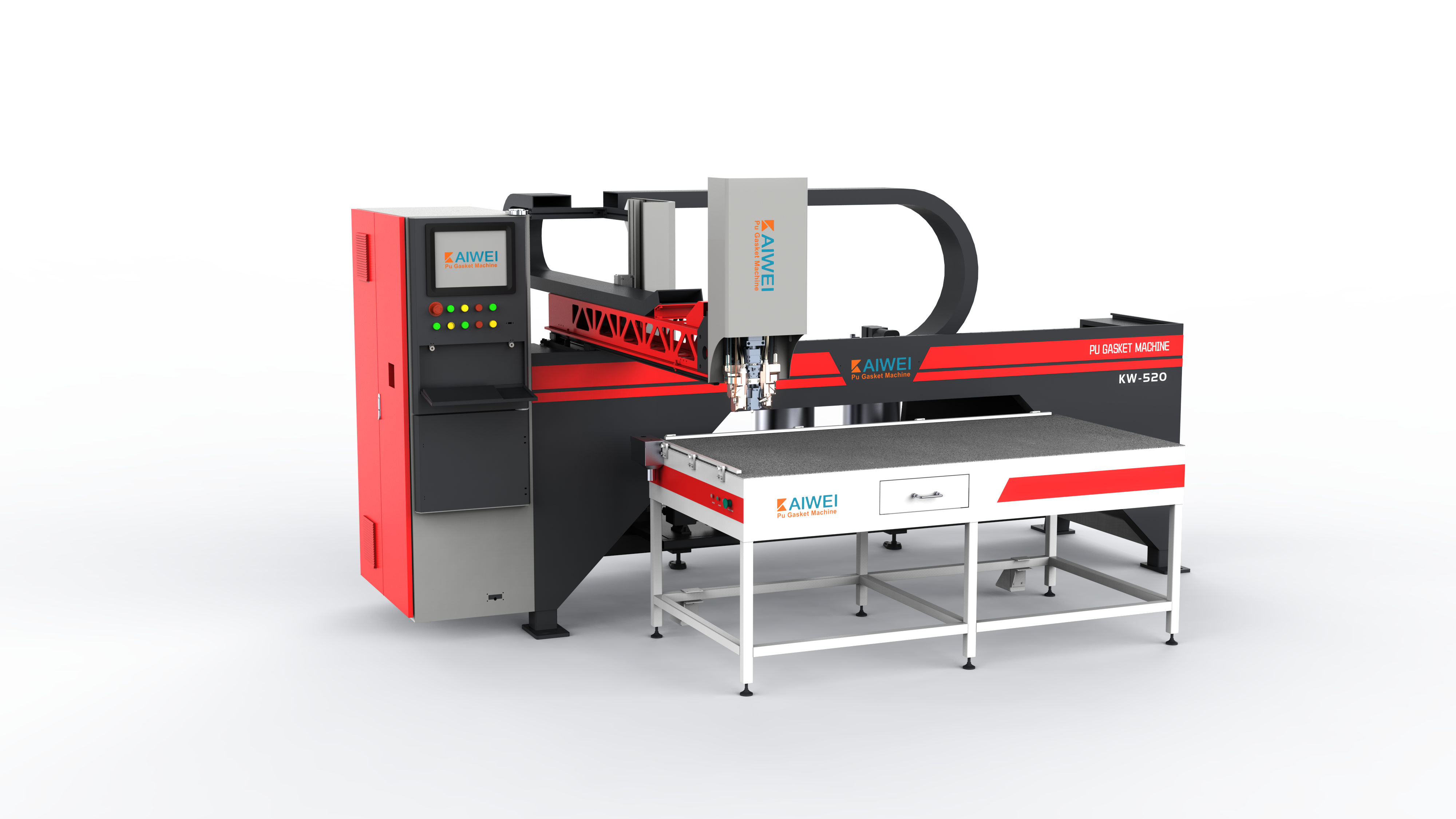
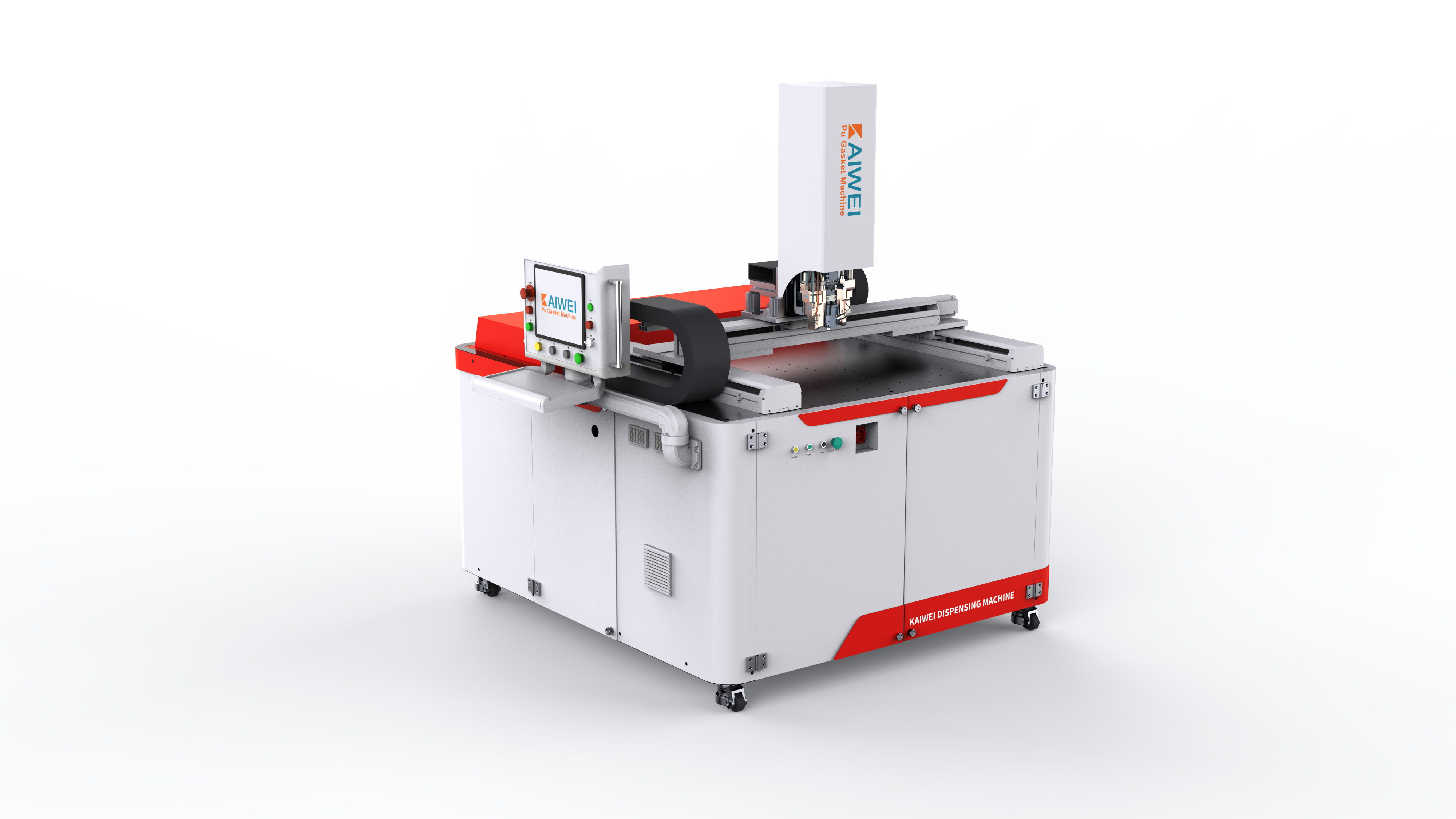
بهترین دستگاه فومساز دو جزئی، پیشرفتی انقلابی در فناوری تولید صنعتی محسوب میشود که بهمنظور اختلاط و توزیع دقیق و یکنواخت فرمولهای فوم پلیاورتان با دقت و ثبات بسیار بالا طراحی شده است. این تجهیزات پیشرفته، دو جزء شیمیایی مجزا — معمولاً پلیال و ایزوسیانات — را در نسبتهای دقیق با یکدیگر ترکیب میکنند تا محصولات فومی باکیفیت بالا در کاربردهای متنوع تولید شوند. این دستگاهها در تولید فومهای سخت و انعطافپذیر برای تولید پنلهای عایق، قطعات خودرو، تشکها و مبلمان، و مواد ساختمانی عملکرد برجستهای دارند. عملکرد اصلی این دستگاهها حول سیستمهای اندازهگیری دقیق برای حفظ نسبت بهینه مواد شیمیایی، مکانیزمهای کنترل دما جهت حفظ شرایط ایدهآل فرآیند، و محفظههای اختلاط پیشرفته که تضمینکننده تشکیل مخلوط همگن است، متمرکز میشود. دستگاههای فومساز دو جزئی مدرن از سیستمهای کنترلشده توسط میکروپروسسور بهره میبرند که فشار، نرخ جریان و دمای مواد را بهصورت لحظهای نظارت میکنند و کیفیت خروجی یکنواختی را در تمام دستههای تولید فراهم میآورند. چارچوب فناوری شامل خطوط تغذیه مواد گرمشونده، سیستمهای پمپاژ پنوماتیک یا هیدرولیک و چرخههای تمیزکاری خودکار است که زمان توقف بین دورههای تولید را به حداقل میرسانند. این دستگاهها قادر به پشتیبانی از تراکمها و فرمولهای مختلف فوم هستند و بنابراین راهحلهای چندمنظورهای برای تولیدکنندگانی هستند که به ویژگیهای متفاوتی در فوم نیاز دارند. پنلهای کنترل یکپارچه، رابطهای کاربرپسندی را در اختیار اپراتورها قرار میدهند تا بتوانند پارامترهایی مانند نسبت اختلاط، حجم خروجی و زمان پخت را تنظیم کنند. ویژگیهای ایمنی شامل مکانیزم توقف اضطراری، شیرهای تخلیه فشار و محفظههای اختلاط دربدار است که از اپراتورها در برابر قرار گرفتن در معرض مواد شیمیایی خطرناک محافظت میکنند. قابلیتهای تولید از تولید آزمایشی در مقیاس کوچک تا تولید در مقیاس بالا متغیر است و نرخ خروجی بسته به پیکربندی خاص دستگاه و فرمولهای فوم متفاوت است. بهترین دستگاه فومساز دو جزئی از طریق مهندسی پیشرفته که واکنشهای شیمیایی را بهینه میکند، ضایعات مواد را کاهش میدهد و ثبات ویژگیهای فوم را در چرخههای تولید طولانی تضمین میکند، عملکرد برتری ارائه میدهد.
 EN
EN