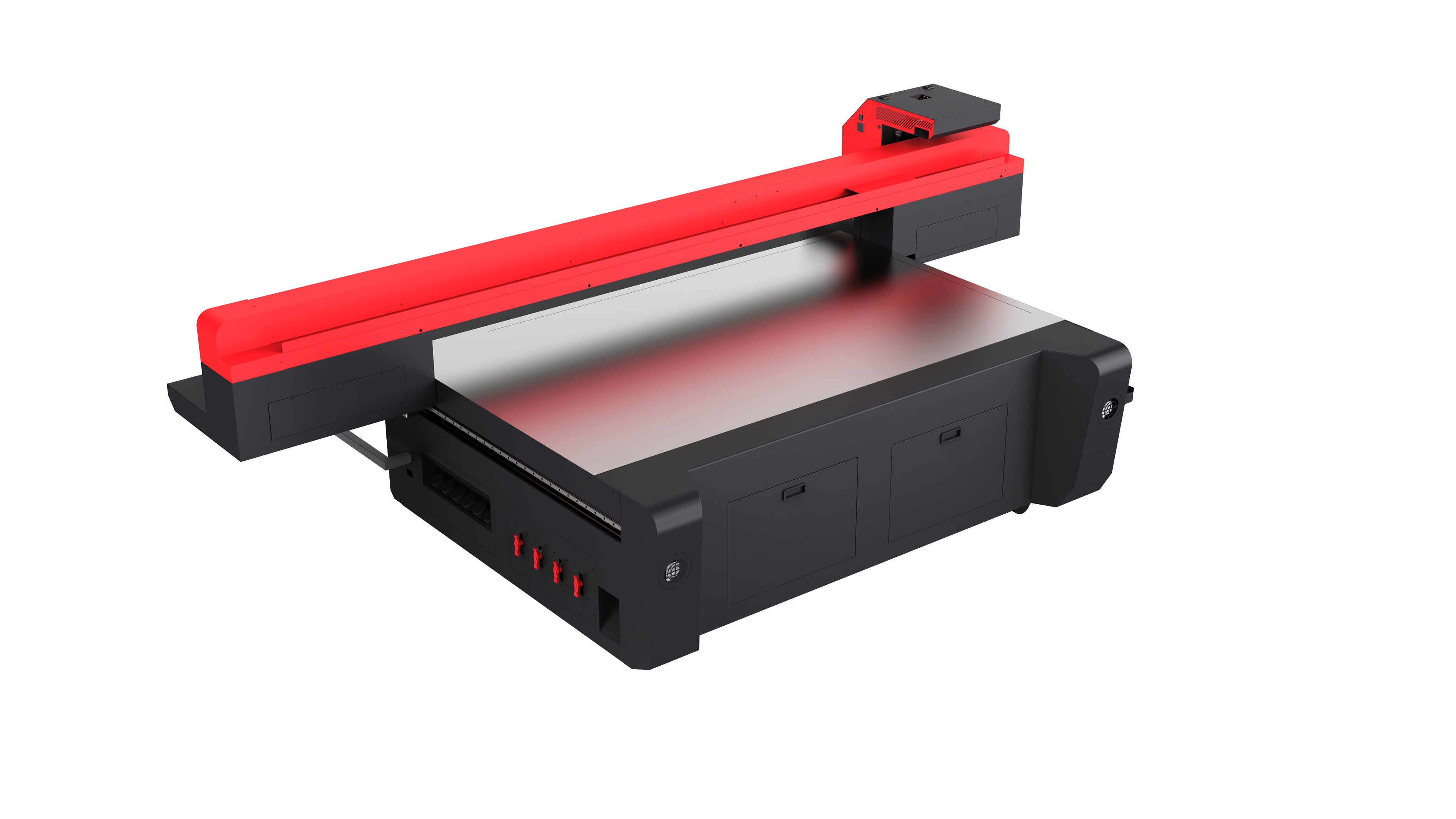
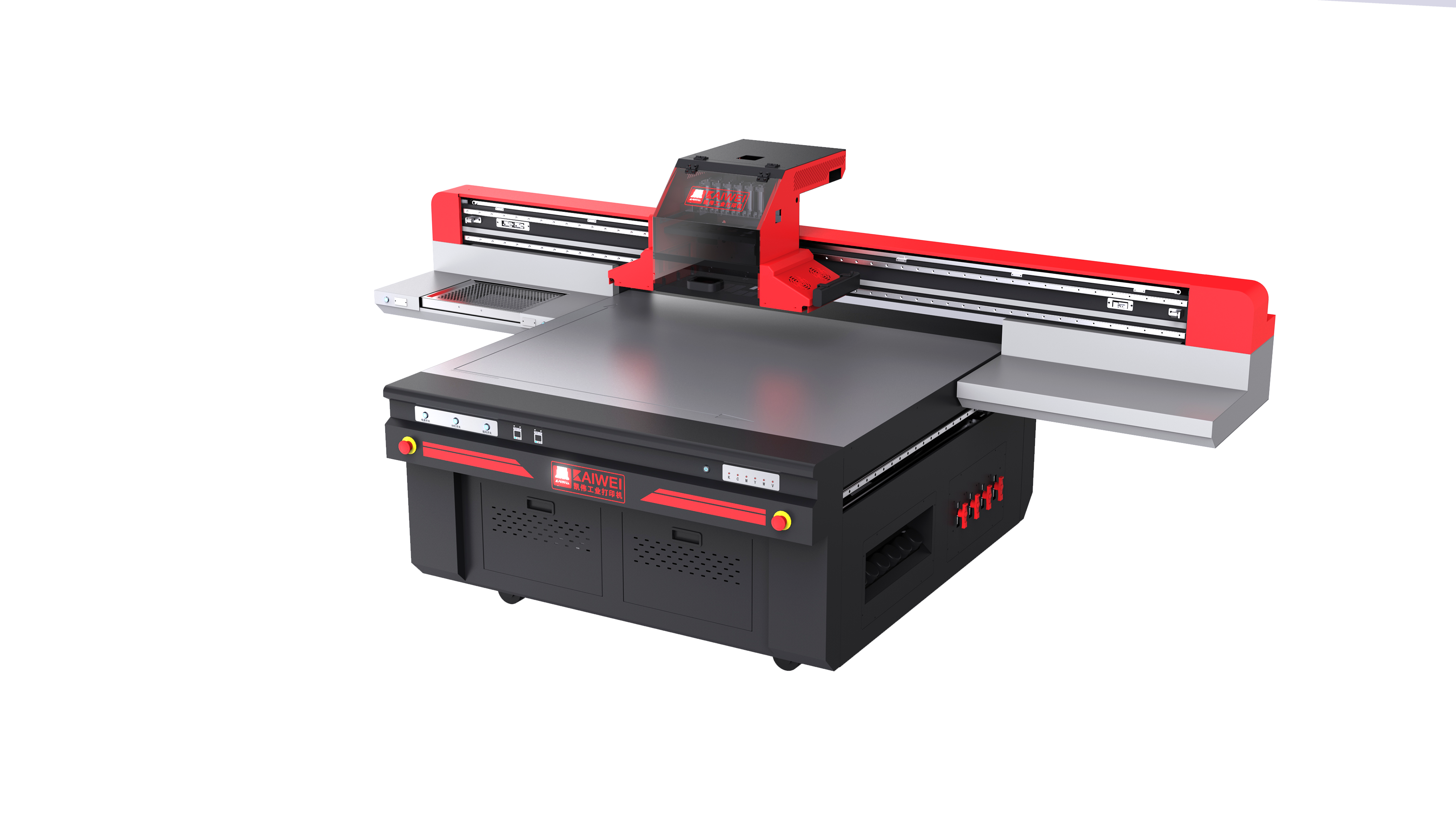
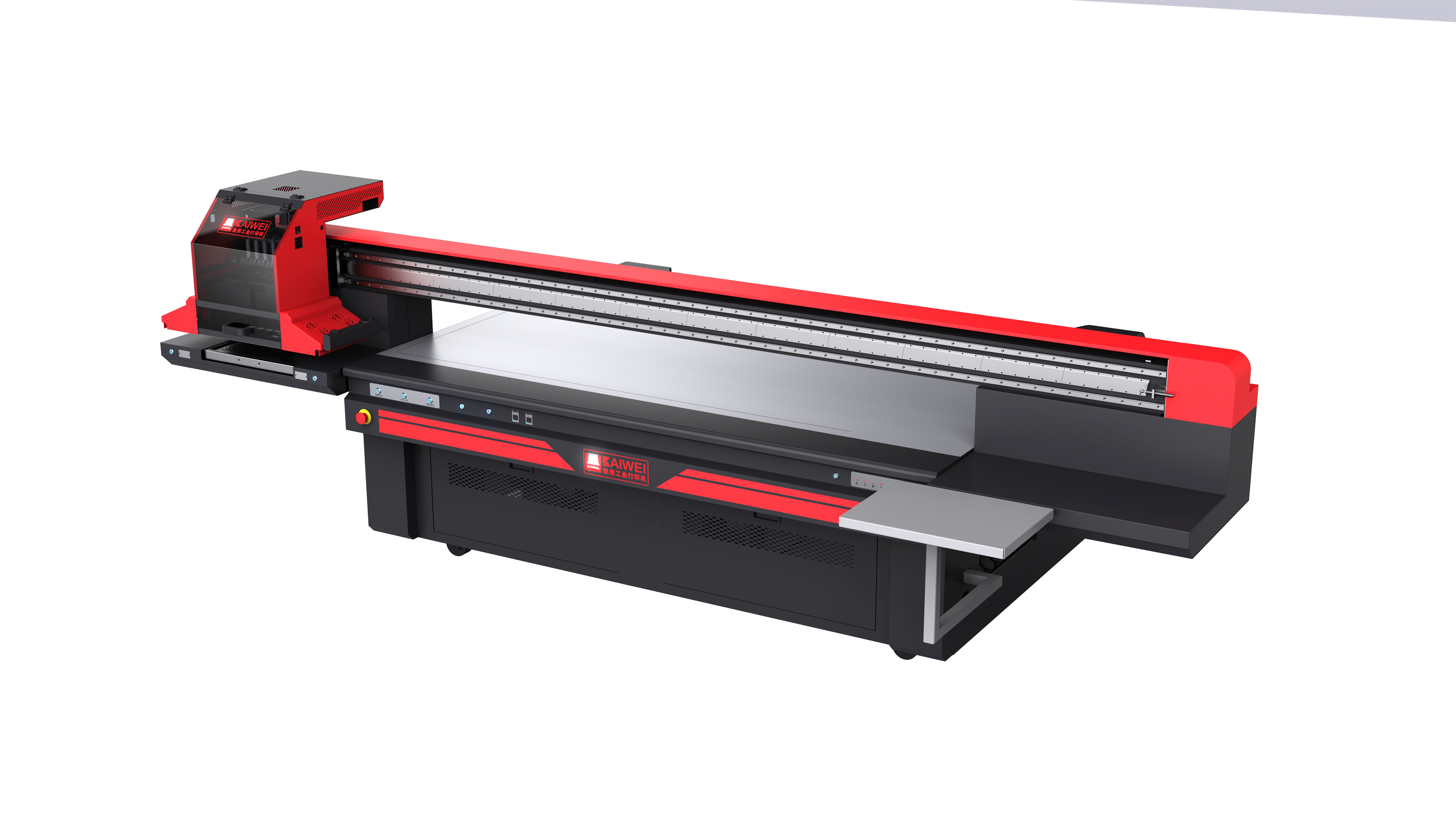
мини ув плоскостен принтер
Мини UV флетбед штампар претставува револуционерен напредок во дигиталната технологија на печатење, нудејќи компактни, но моќни можноси за печатење на разновидни материјали и применi. Ова софистицирано опремување користи ултравиолетова LED технологија за моментално исушување на бојата при контактот со подлогата, овозможувајќи извонредно квалитетно и трајно печатење на различни површини. Мини UV флетбед штампарот ги комбинира прецизното инженерство и кориснички пријателливата употреба, правејќи професионално печатење достапно за мали претпријатија, креативни професионалци и претприемачи кои бараат висок квалитет без потреба од голем простор или значителни инвестиции. Основната функција на мини UV флетбед штампарот се темели на способноста да печати директно на крути и флексибилни материјали до специфични ограничувања во дебелина, обично од потполно тенки подлози до материјали неколку инчи дебели. Напредните пиецоелектрични глави за печатење испорачуваат микроскопски капки со UV-исуслива боја со извонредна точност, постигнувајќи резолуција која конкурира со традиционалните методи на офсетско печатење. Интегрираниот UV LED систем за исушување моментално полимеризира боја по нејзината примена, елиминирајќи време за сушење и спречувајќи ширење на бојата или замазнување. Овој процес на моментално исушување овозможува моментална работа со отпечатените материјали и значително забрзува производствените работни процеси. Технолошките карактеристики вклучуваат софистицирани системи за управување со боја кои осигуруваат постојана репродукција на бојата низ различни подлози и сесии за печатење. Многу модели на мини UV флетбед штампари вградуваат автоматски механизми за прилагодување на висина, кои се прилагодуваат на различни дебелини на материјали без рачна интервенција. Технологијата со варијабилни капки им овозможува на операторите да ја оптимизираат квалитетот и брзината на печатење според специфичните барања на проектот, додека напредни RIP софтвери обезбедуваат комплексен контрол над профили на боја, режими на печатење и поставки специфични за подлогата. Примената на мини UV флетбед штампарската технологија се протега низ бројни индустрии и креативни активности. Производството на комерцијални знаци има корист од можноста да се печати директно на акрил, алуминиум, дрво и композитни материјали без потреба од трансфер постапки. Прилагодувањето на промоционални производи се поедноставува кога се печати директно на чели, награди, таблички и корпоративни подароци. Професионалците од областа на архитектонската визуелиzација ги користат овие штампари за создавање детални скални модели и презентациони материјали на разновидни подлози. Репродукцијата на уметност и печатењето на фина уметност постигнуваат резултати од квалитет на музеј на платно, дрвени плочи и специјални уметнички подлози. Индустриските применi вклучуваат печатење на електронски компоненти, делови за возила и означување на медицински уреди каде што трајноста и прецизноста се најважни.
 EN
EN