Zaawansowane Systemy Kontroli Precyzyjnej
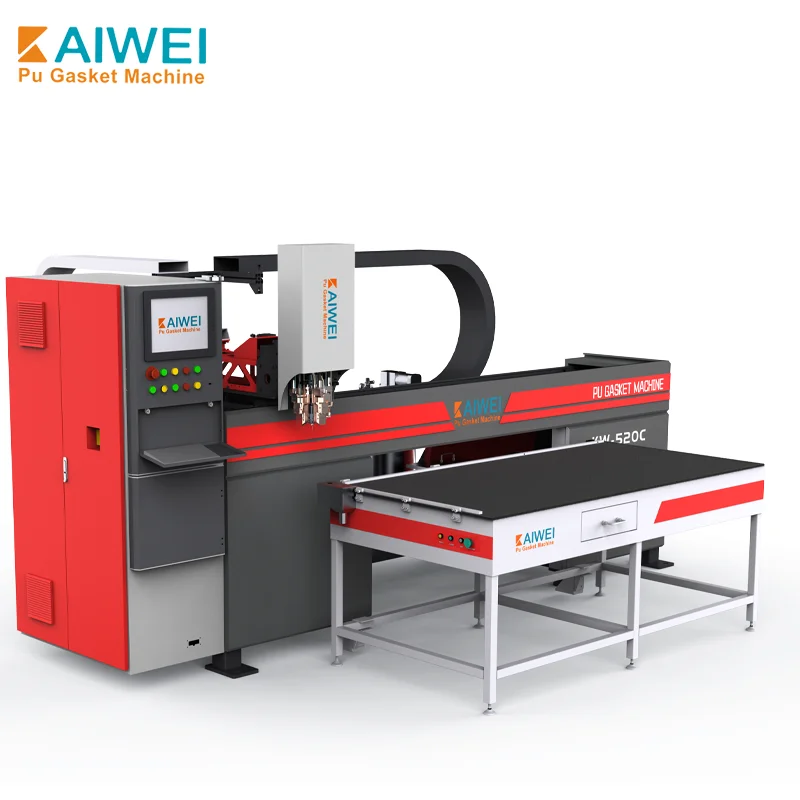
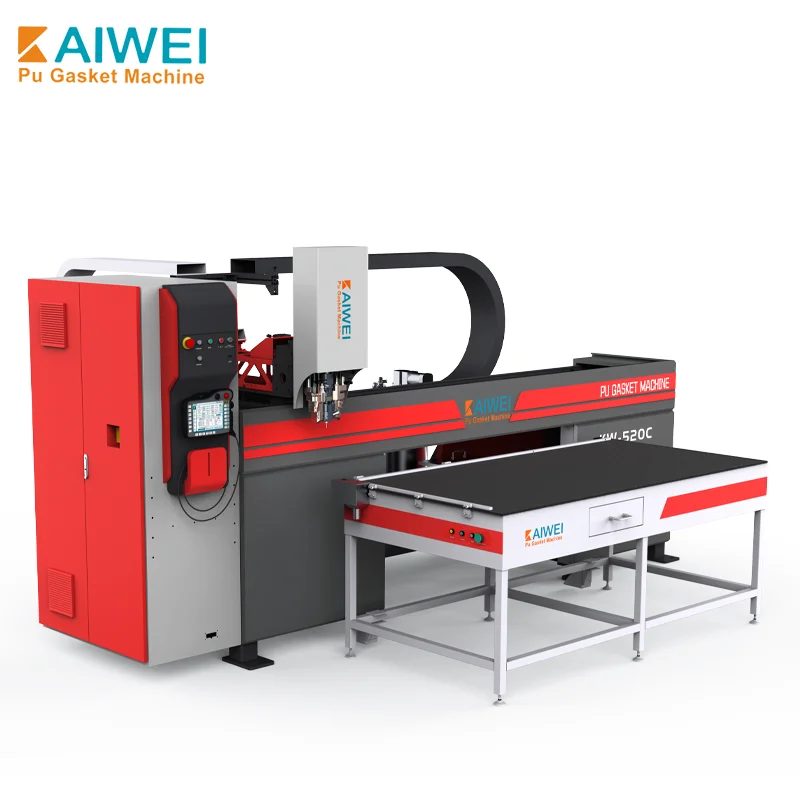
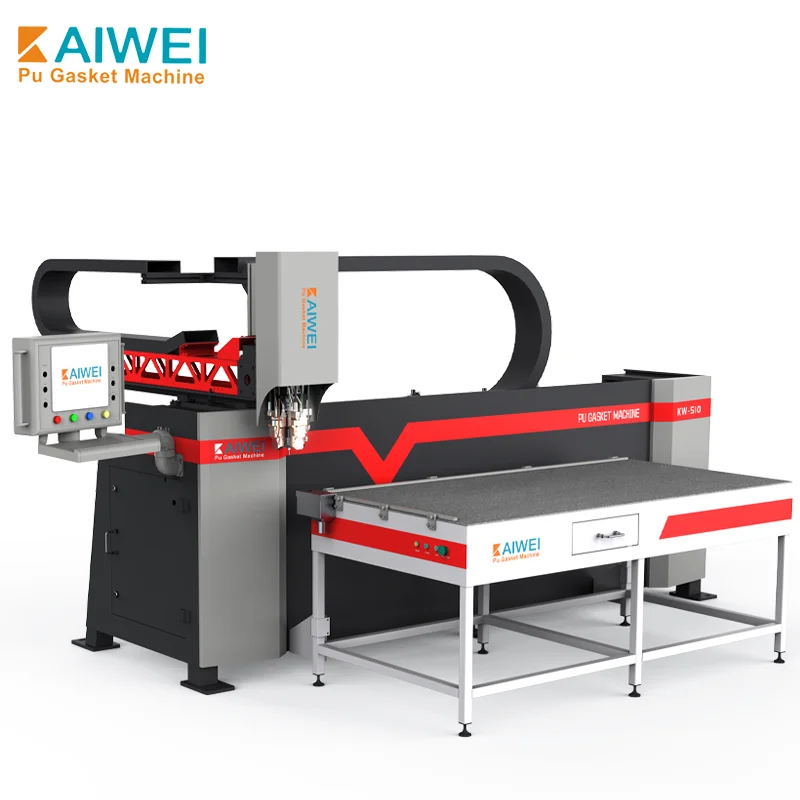
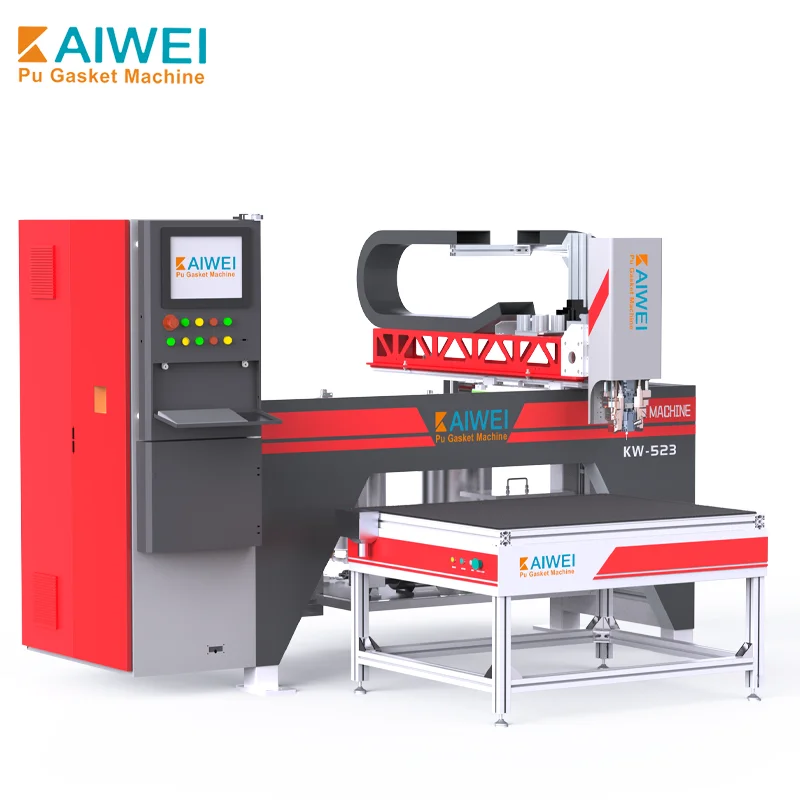
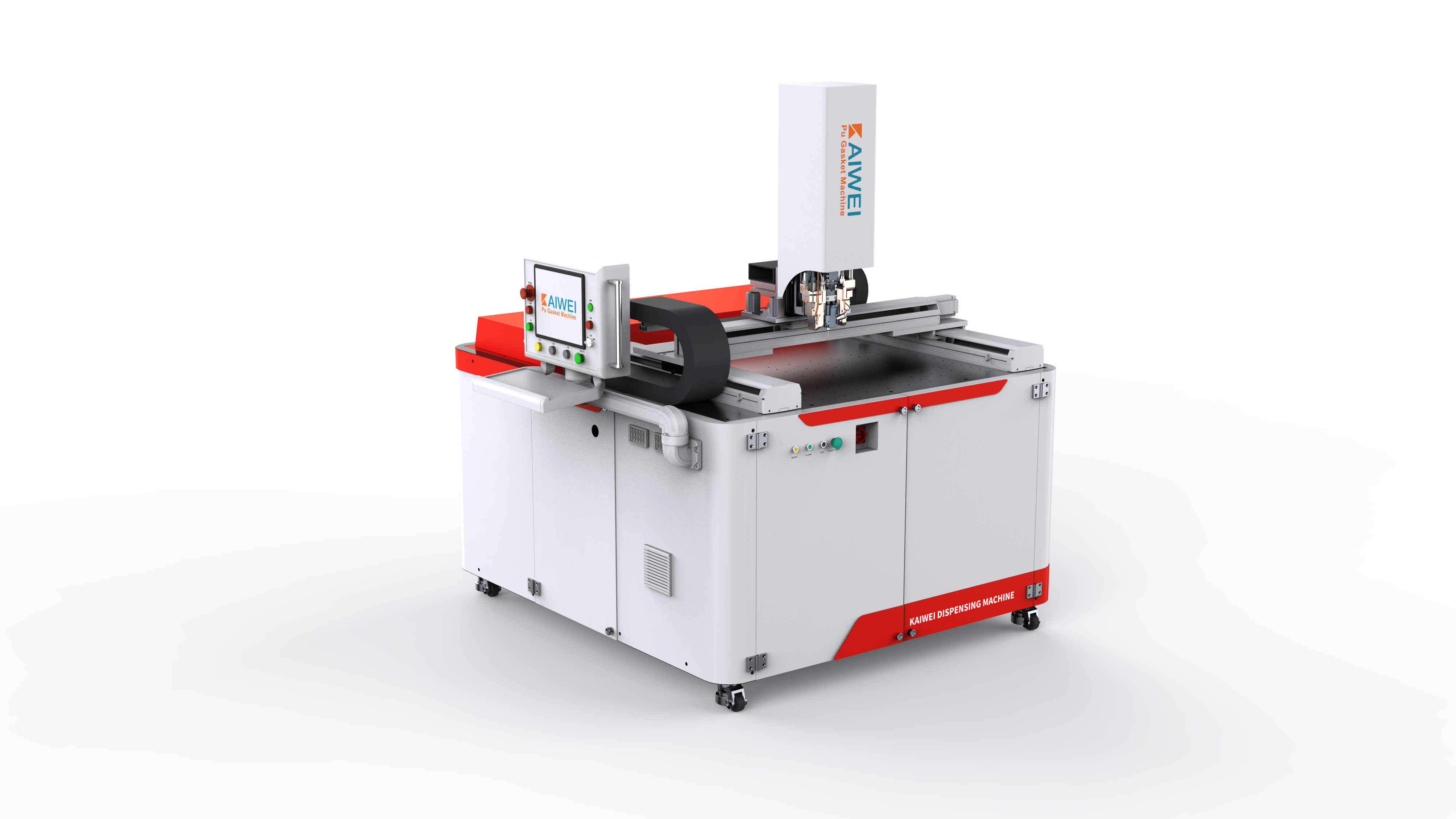
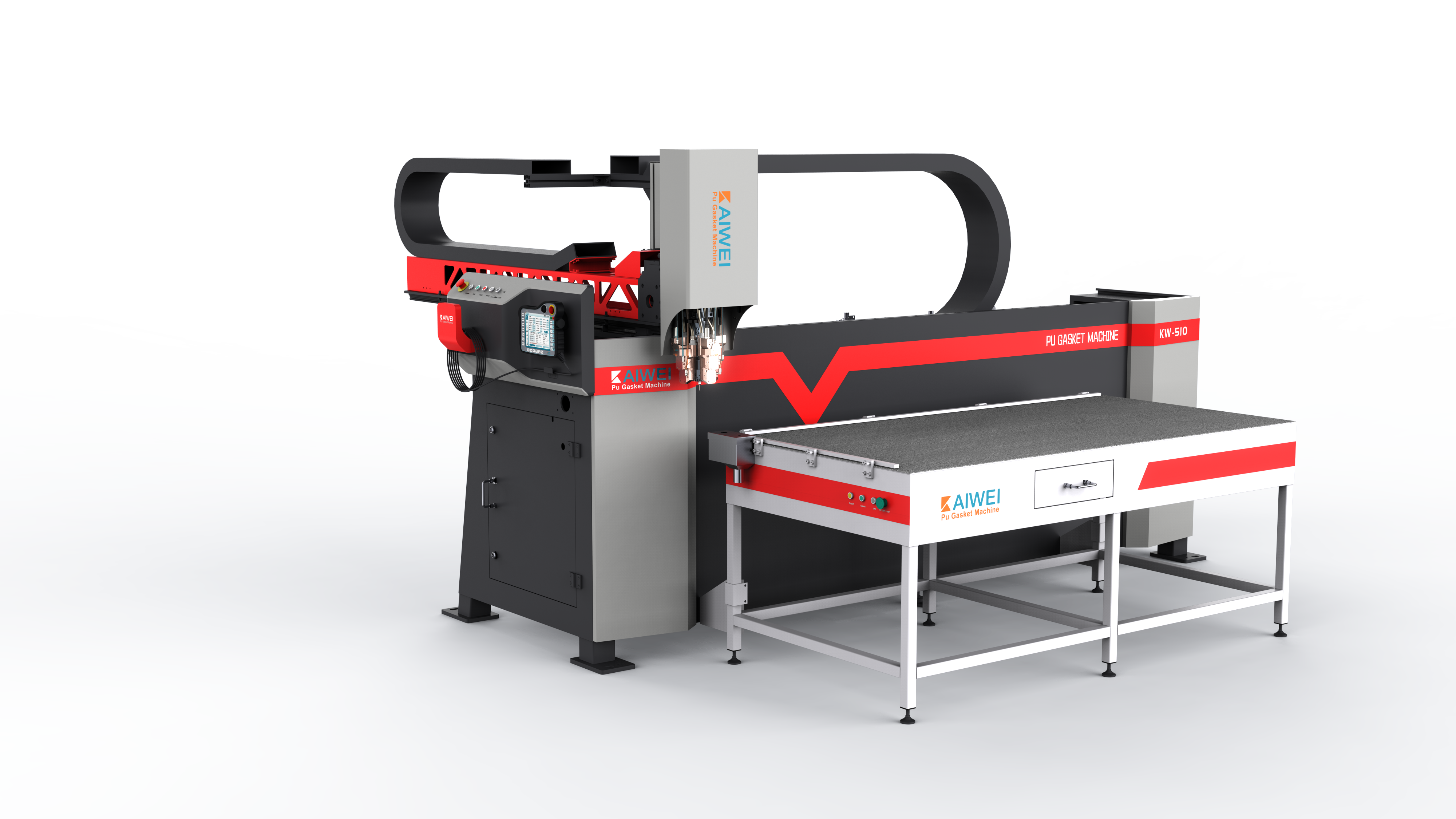
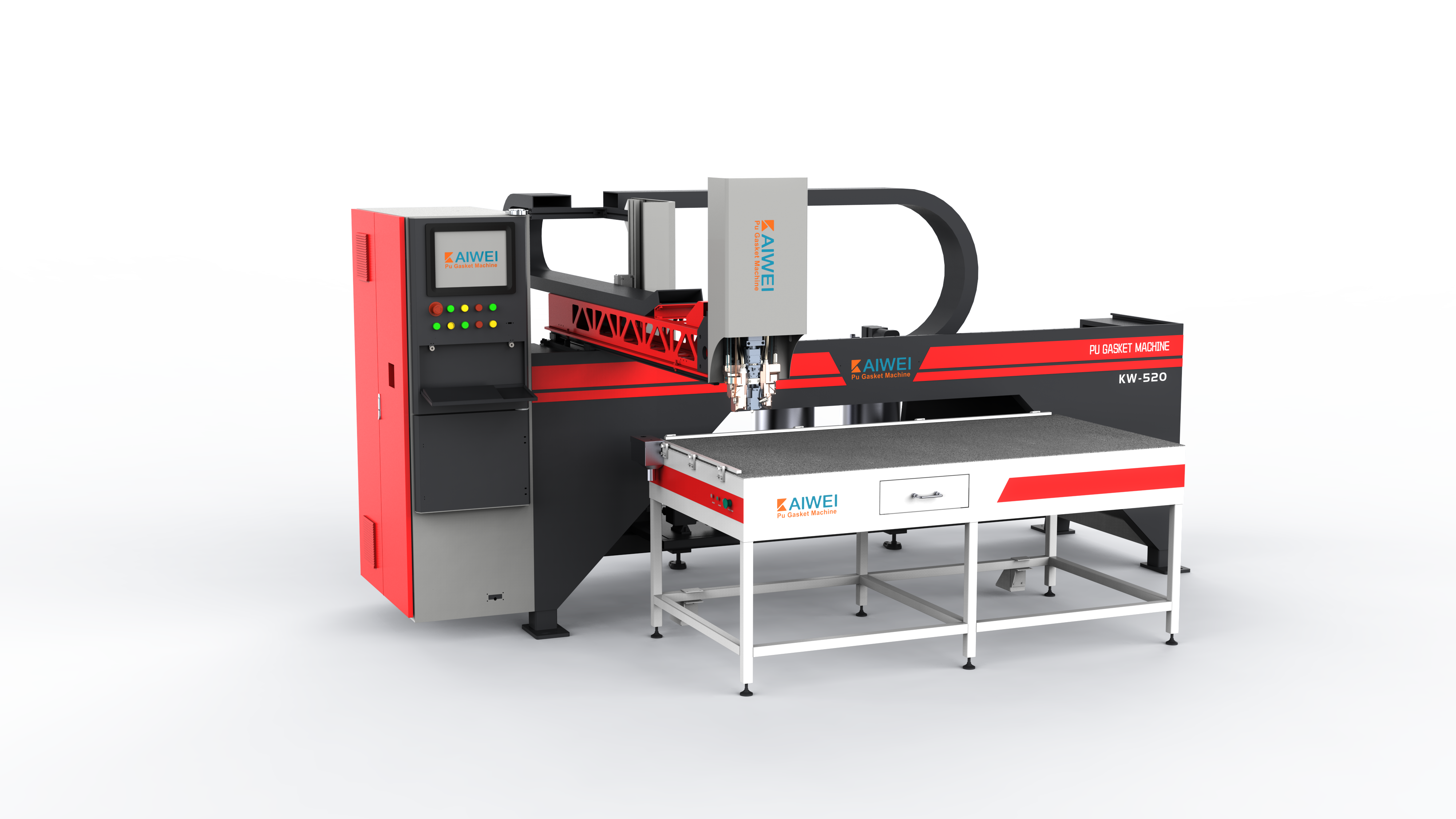
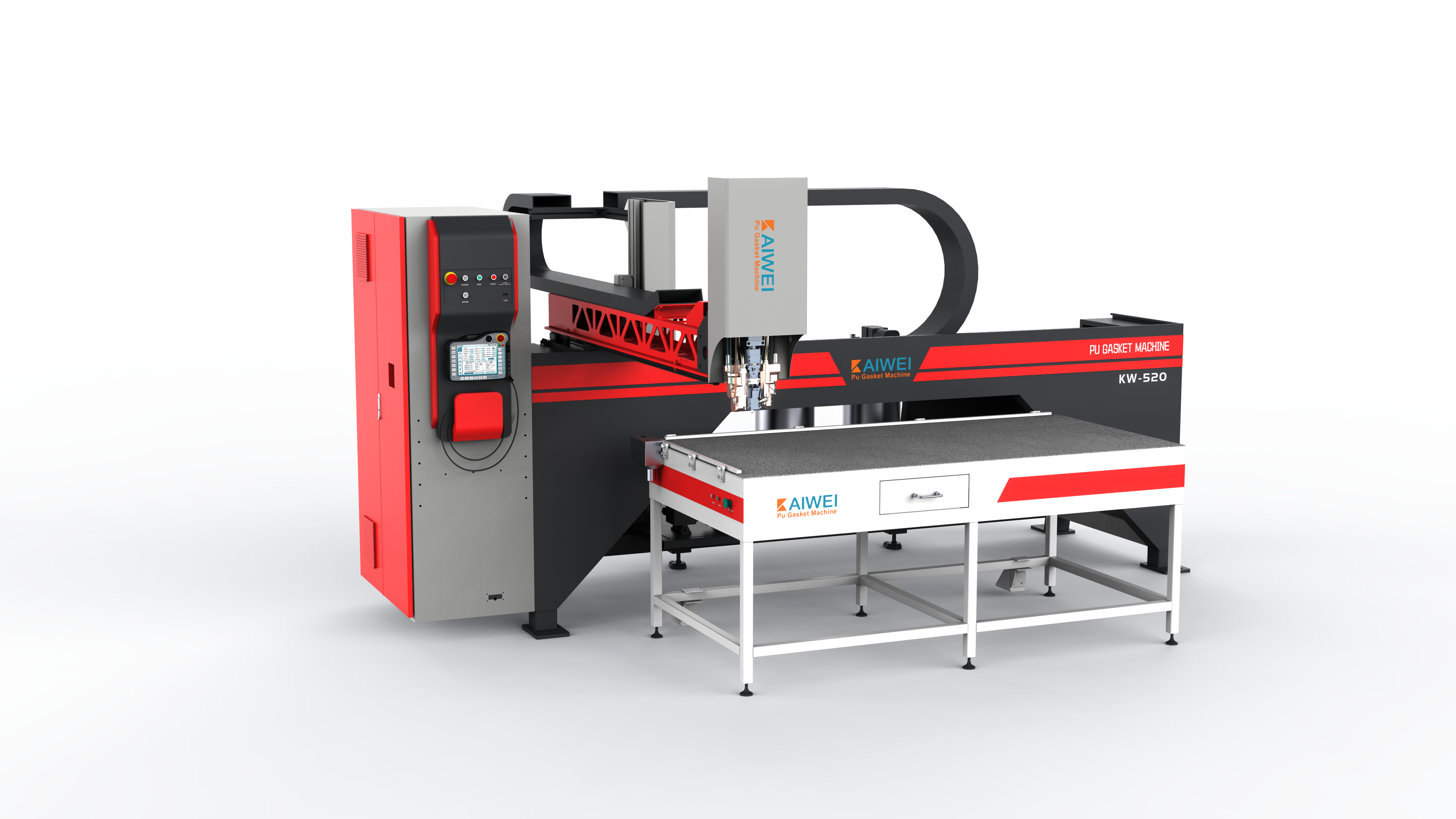
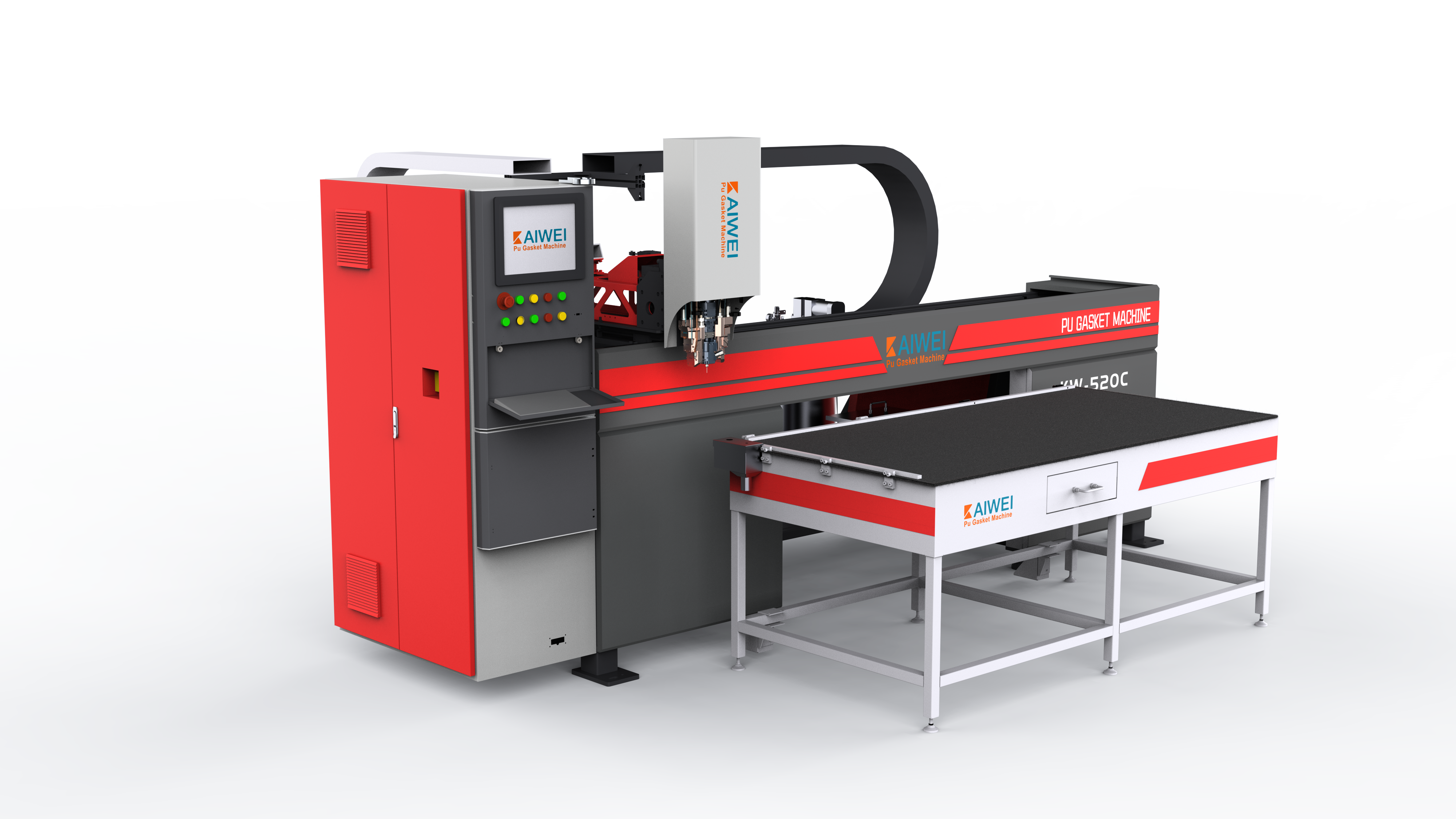
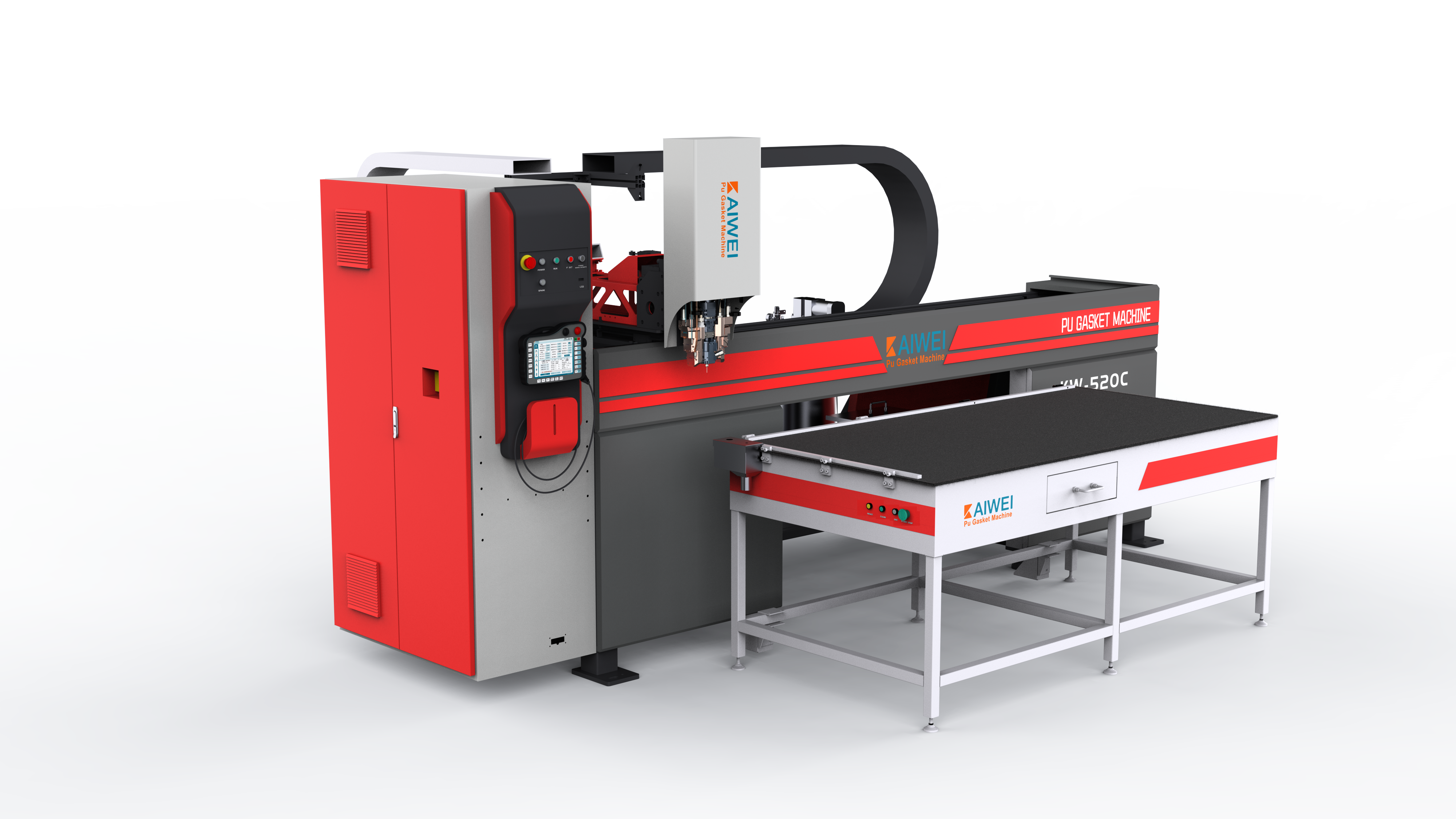
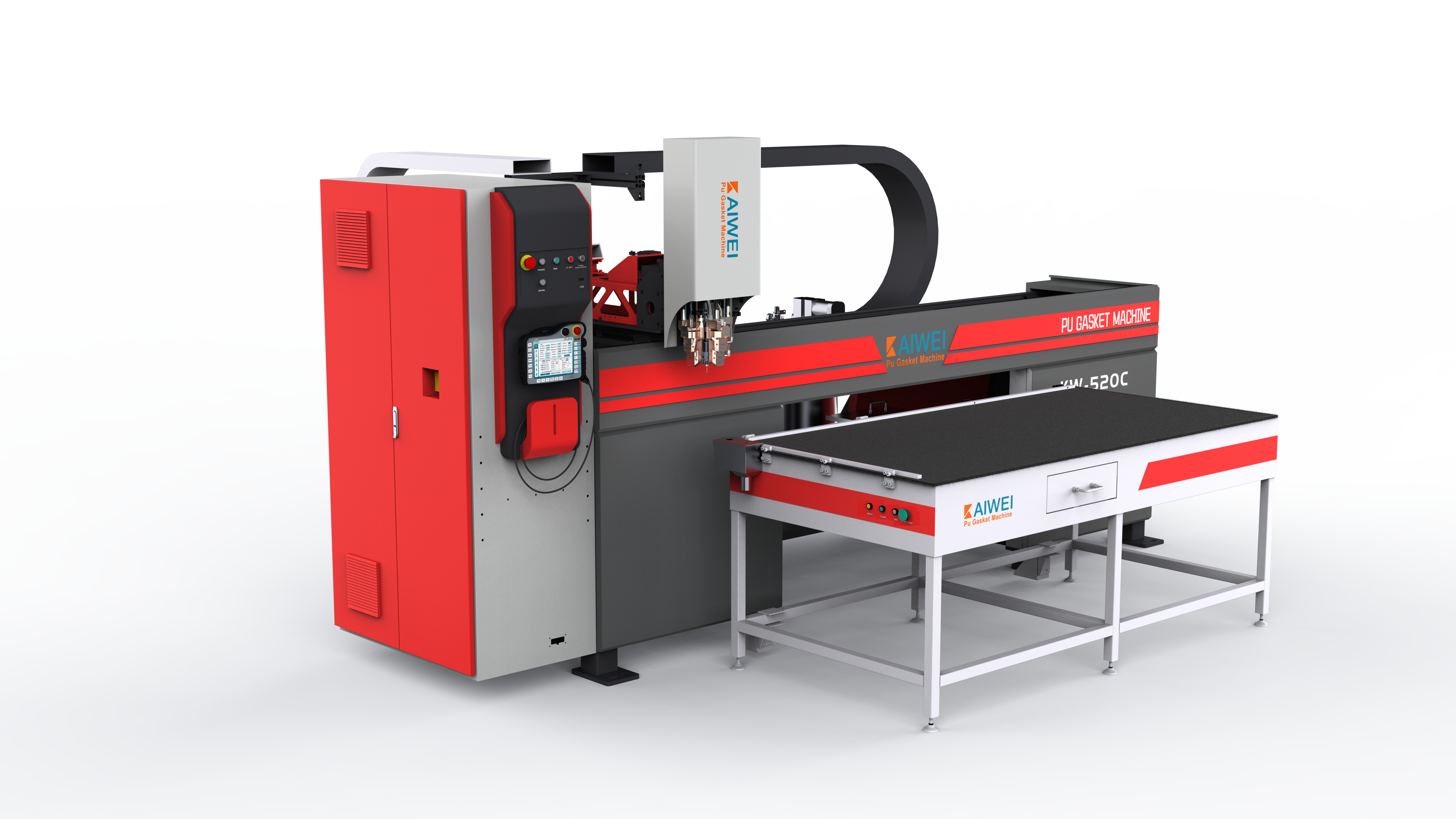
Nowoczesne systemy sterowania zintegrowane w maszynach do pianienia dwuskładnikowego uzasadniają swoją konkurencyjną cenę wyjątkową dokładnością i niezawodnością, które przekształcają procesy produkcyjne. Te zaawansowane systemy wykorzystują nowoczesne silniki serwo, precyzyjne przepływomierze oraz inteligentne algorytmy oprogramowania, aby utrzymywać dokładne proporcje składników w całym cyklu produkcji, zapewniając spójne właściwości piany spełniające rygorystyczne wymagania jakościowe. Cena maszyny do pianienia dwuskładnikowego obejmuje kompleksowe interfejsy cyfrowe, które umożliwiają operatorom monitorowanie w czasie rzeczywistym, pozwalając na natychmiastowe korekty parametrów mieszania, sterowania temperaturą i natężenia przepływu bez przerywania procesów produkcyjnych. Panel dotykowy oferuje intuicyjną nawigację w systemach zarządzania recepturami, przechowującymi wiele formuł piankowych, co umożliwia szybką zmianę produkcji przy zachowaniu standardów dokładności. Systemy kontroli temperatury utrzymują optymalne warunki przetwarzania dzięki zaawansowanym mechanizmom grzania i chłodzenia, zapobiegając degradacji składników i gwarantując prawidłowe reakcje chemiczne. Systemy regulacji ciśnienia automatycznie dostosowują ciśnienie podawania w zależności od lepkości materiału i warunków otoczenia, kompensując zmienne środowiskowe, które mogłyby wpłynąć na jakość piany. Zintegrowane funkcje monitorowania jakości ciągle śledzą kluczowe parametry, w tym stosunki mieszania, czasy wiązania i gęstość piany, zapewniając szczegółową dokumentację produkcji dla potrzeb zapewnienia jakości. Te systemy sterowania zawierają blokady bezpieczeństwa, które uniemożliwiają pracę urządzenia w niebezpiecznych warunkach, chroniąc zarówno personel, jak i maszyny, jednocześnie zapewniając stałą jakość produktu. Możliwość zdalnego monitorowania pozwala przełożonym nadzorować wiele maszyn z centralnych lokalizacji, poprawiając efektywność operacyjną i zmniejszając zapotrzebowanie na obsługę. Zaawansowana diagnostyka wbudowana w te systemy generuje alerty dotyczące konserwacji predykcyjnej, zapobiegając nagłym przestojom i przedłużając żywotność urządzeń. Automatyczne procedury kalibracji zapewniają dokładność pomiarów przez dłuższy czas pracy, utrzymując precyzję bez konieczności częstych ręcznych korekt. Możliwości rejestrowania danych tworzą szczegółowe zapisy produkcji, wspierające certyfikaty jakości, zgodność z przepisami oraz inicjatywy ciągłej poprawy, które zwiększają ogólną skuteczność produkcji.
 EN
EN