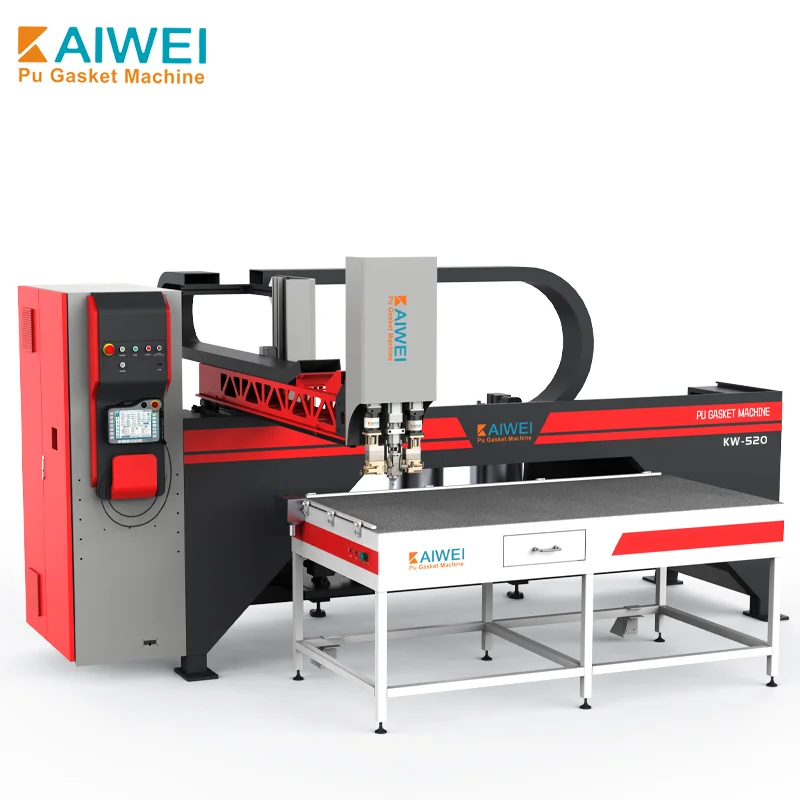
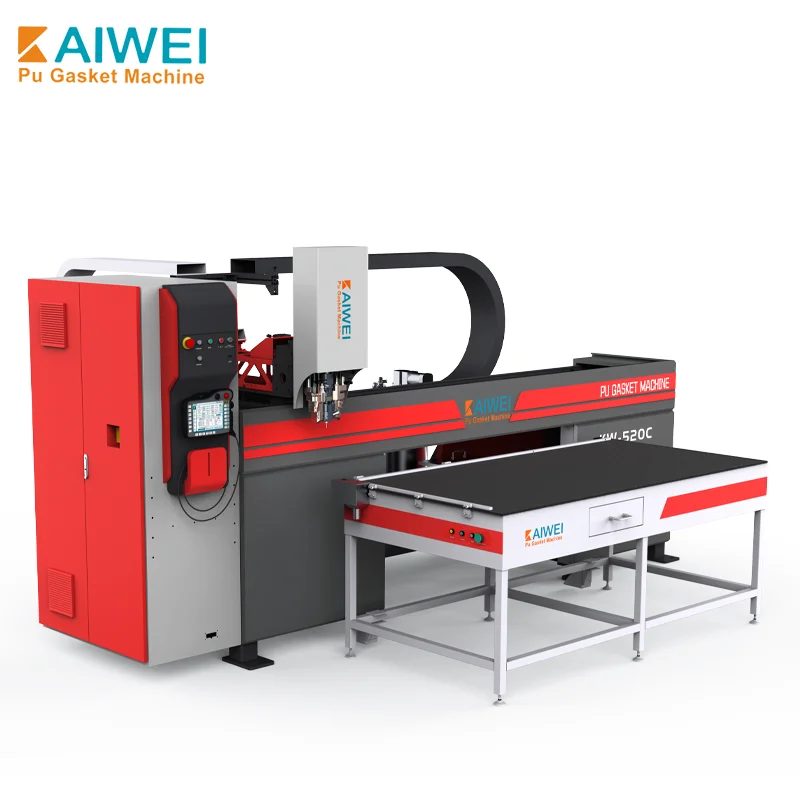
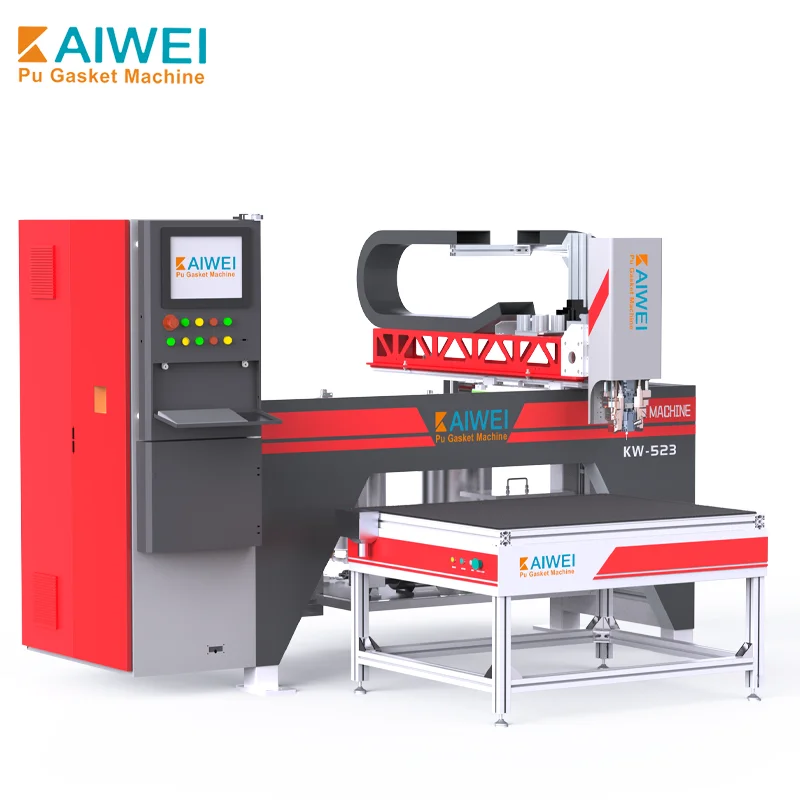
Kompaktný dizajn s priemyselnými štandardmi výkonu
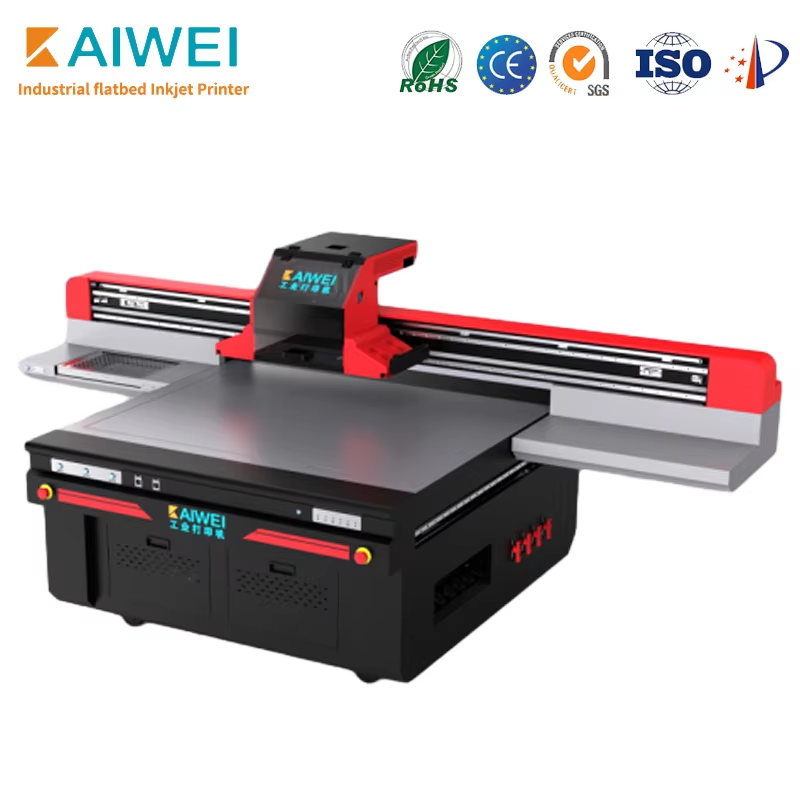
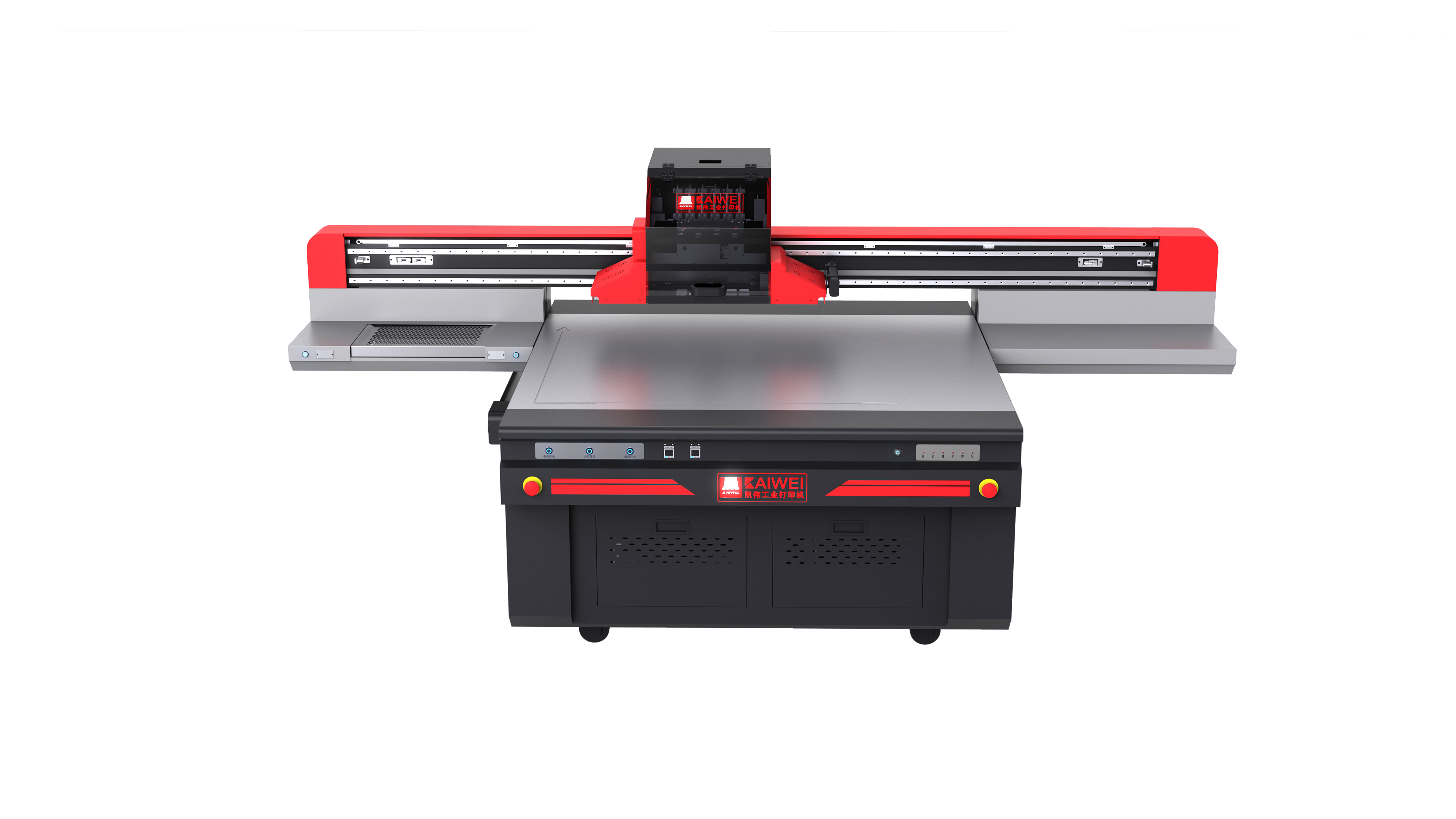
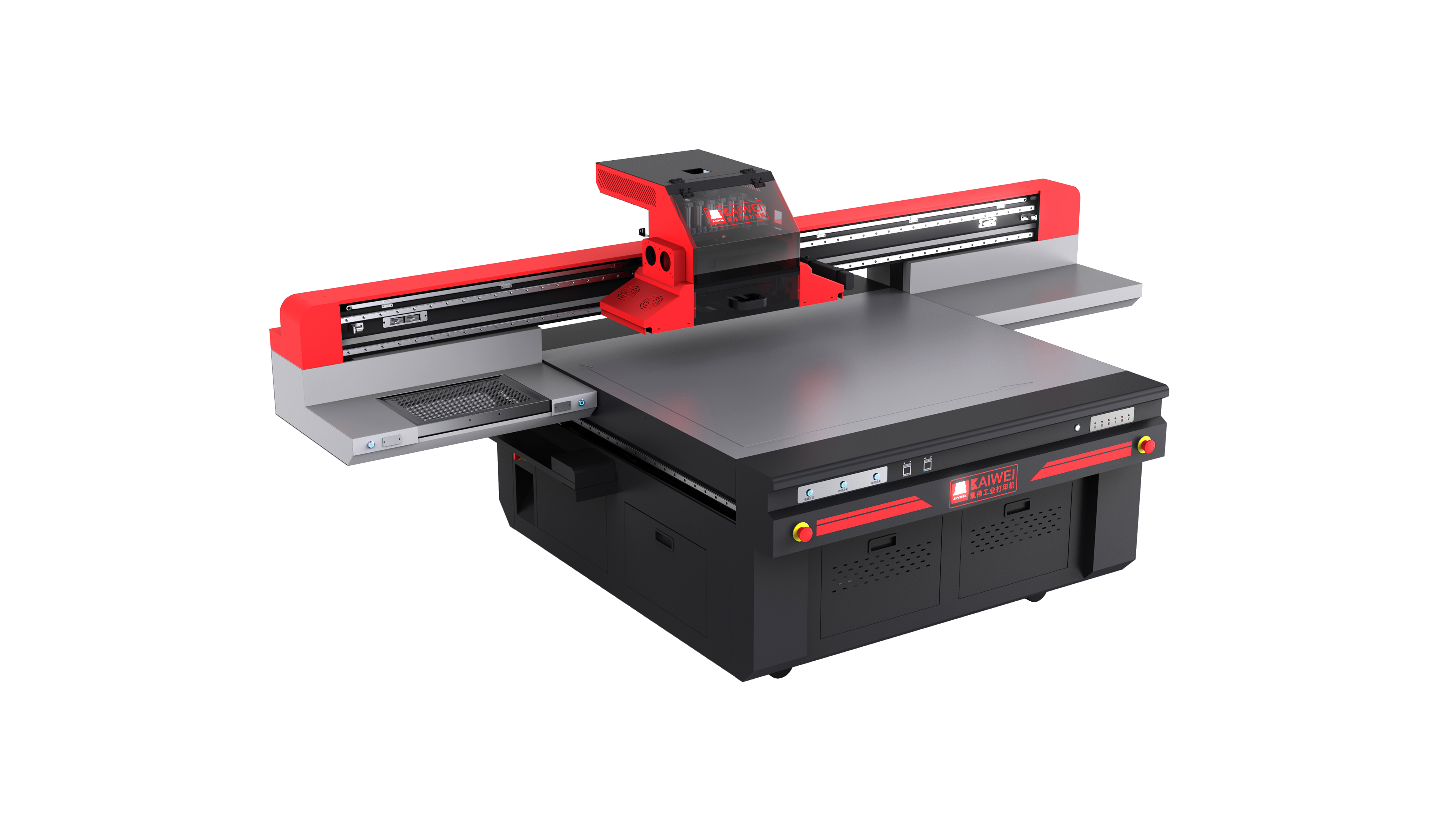
Inžiniersky výkon technológie malých plochých tlačiarní UV dosahuje pozoruhodný výsledok – poskytuje priemyselnú úroveň tlače v kompaktných konštrukciách vhodných pre malé podniky, štúdiá a kancelárske prostredia. Tento priestorovo úsporný dizajnový prístup rieši kľúčový problém mnohých firiem, ktoré potrebujú profesionálne tlačové možnosti, ale nemajú priestor na podlahu, energetickú infraštruktúru alebo kapitálové investície potrebné pre tradičné veľkoformátové zariadenia. Kompaktná veľkosť, ktorá zvyčajne nevyžaduje viac miesta ako veľký kancelársky stôl, umožňuje inštaláciu v miestach, kde by bolo umiestnenie bežných tlačiarní nemožné, čím prináša pokročilé tlačové schopnosti doteraz nedostatočne obsluhovaným trhovým segmentom. Napriek zmenšenej veľkosti tieto systémy zachovávajú tuhé konštrukčné štandardy nevyhnutné pre presnú tlač, vrátane priemyselných lineárnych vodičiek, presných krokových motorov a systémov tlmenia vibrácií, ktoré zabezpečujú konzistentnú kvalitu tlače po celom povrchu pracovnej plochy. Technológia tlačoviej hlavy sa rovná alebo prevyšuje väčšie systémy, pričom mnohé modely malých plochých tlačiarní UV sú vybavené rovnakými profesionálnymi hlavicami ako náročnejšie komerčné zariadenia, čo zaručuje kvalitu výstupu spĺňajúcu náročné profesionálne štandardy. Rozlíšenie sa zvyčajne pohybuje od 720 do 1440 dpi alebo vyššie, čím vytvára ostrý text, hladké prechody farebných nuancií a fotografickú kvalitu obrázkov, ktoré konkuruje priamo offsetovej tlači a veľkoformátovým riešeniam. Vákuový upínací systém udržiava polohu materiálu s priemyselnou presnosťou, zatiaľ čo automatické senzory hrúbky materiálu automaticky nastavujú výšku tlačovej hlavy, čím skracujú čas na nastavenie a zabraňujú nákladným kolíziám. Systémy monitorovania teploty a environmentálne ovládanie zabezpečujú optimálne podmienky tlače bez ohľadu na okolité podmienky, čím udržiavajú presnosť farieb a kvalitu vytvrdzovania vo všetkých prevádzkových prostrediach. Údržba je minimálna vďaka uzatvoreným systémom atramentu, automatickým cyklom čistenia tlačovej hlavy a LED UV systémom, ktoré eliminujú častú výmenu žiaroviek spojenú s tradičnými zariadeniami. Integrácia profesionálneho RIP softvéru poskytuje nástroje na správu farieb, radenia úloh a funkcie tvorby výrobných správ, ktoré sa bežne nachádzajú len vo výrazne väčších systémoch, čo umožňuje profesionálne riadenie pracovného procesu a kontrolu kvality. Hladina hluku je stále vhodná pre kancelárske prostredia, čo odstraňuje potrebu vyhradených tlačiarní alebo opatrení na izoláciu zvuku, ktoré si vyžadujú väčšie zariadenia.
 EN
EN