 EN
EN

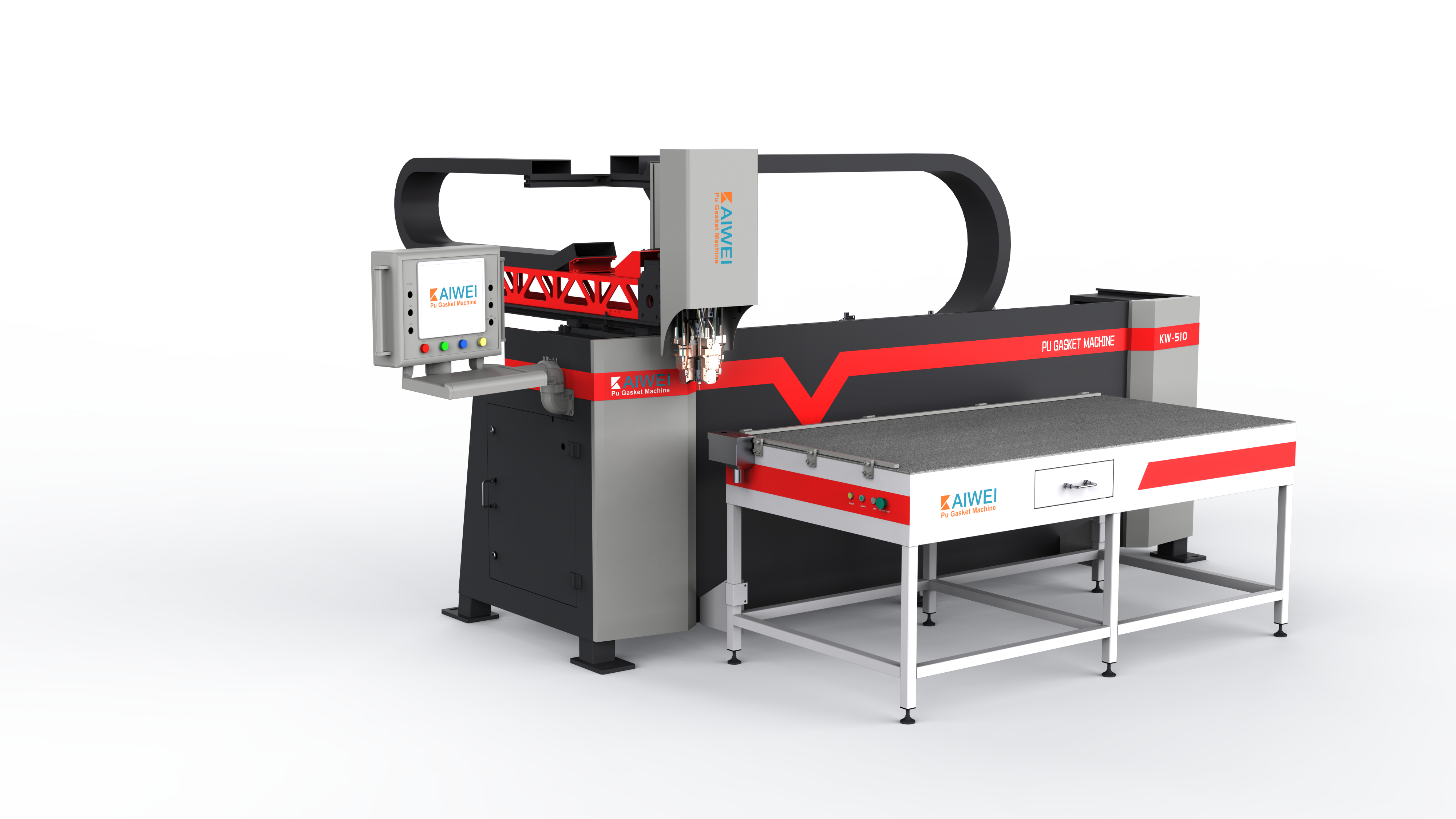
Manufacturing industries across automotive, electronics, and appliance sectors face mounting pressure to deliver high-quality sealing solutions while maintaining competitive production speeds. The demand for precise gasket application has led to revolutionary advances in automated sealing technology, with PU gasketing machines emerging as game-changing solutions for modern production lines. These sophisticated systems combine polyurethane dispensing precision with robotic automation to deliver consistent, reliable sealing performance that traditional manual methods simply cannot match.
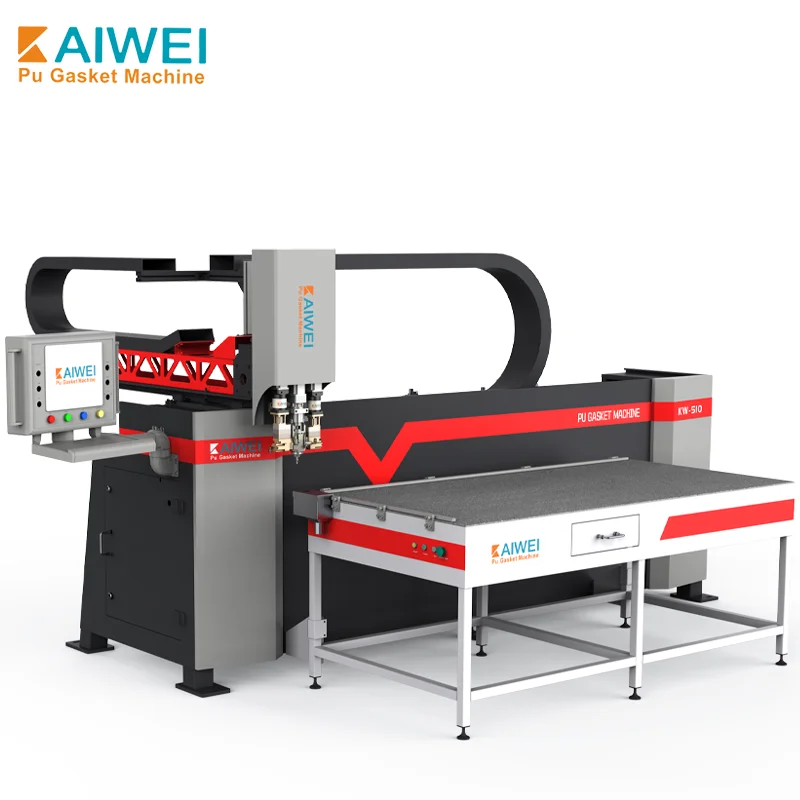
Industrial sealing applications require exceptional precision, durability, and repeatability that only advanced automated systems can provide consistently. Modern PU gasketing machines incorporate cutting-edge robotics, intelligent control systems, and advanced material handling capabilities to transform traditional sealing operations. This integration of proven dispensing technology with robotic precision creates unprecedented opportunities for manufacturers seeking to optimize their production efficiency while maintaining superior quality standards.
Revolutionary Technology Behind Modern PU Gasket Dispensing Systems
Advanced Material Dispensing Technology
The heart of any effective PU gasketing machine lies in its material dispensing capabilities, which must handle polyurethane compounds with exceptional precision and consistency. Modern systems utilize progressive cavity pumps and precision flow control valves to ensure accurate material delivery across varying viscosities and temperature conditions. These machines incorporate real-time monitoring systems that continuously adjust dispensing parameters to maintain optimal bead geometry and material distribution throughout extended production runs.
Temperature control systems within advanced PU gasketing machines maintain material viscosity within tight tolerances, preventing common issues like inconsistent flow rates or premature curing. Multi-component mixing systems ensure proper catalyst ratios, while degassing capabilities eliminate air bubbles that could compromise seal integrity. The integration of closed-loop feedback systems allows these machines to automatically adjust dispensing parameters based on real-time quality measurements, ensuring consistent results regardless of environmental variations.
Robotic Integration and Precision Control
Robotic integration transforms traditional PU gasketing operations by providing unprecedented positioning accuracy and repeatability that human operators cannot consistently achieve. Six-axis robotic arms equipped with precision dispensing heads can navigate complex three-dimensional part geometries while maintaining optimal dispensing angles and speeds. Advanced path planning algorithms optimize robot movement patterns to minimize cycle times while ensuring complete coverage of sealing surfaces.
Vision systems integrated with robotic PU gasketing machines provide real-time part recognition and positioning verification, automatically adjusting dispensing paths to accommodate part variations or positioning errors. Force feedback sensors enable robots to maintain consistent contact pressure during sealing operations, ensuring proper adhesion while preventing part damage. These intelligent systems can store and recall hundreds of different sealing programs, making changeovers between product variants quick and error-free.
Production Efficiency Advantages of Automated PU Sealing Systems
Cycle Time Optimization
Automated PU gasketing machines dramatically reduce cycle times compared to manual sealing operations through optimized dispensing patterns and simultaneous multi-axis movements. While manual operators must follow sequential steps with inevitable variations in speed and accuracy, robotic systems execute programmed paths with consistent velocity and acceleration profiles. Advanced machines can complete complex sealing operations in a fraction of the time required for manual application, often achieving cycle time reductions of 50-70%.
The ability to perform multiple operations simultaneously further enhances efficiency gains from automated PU gasketing systems. While the robot applies sealing material, integrated systems can simultaneously perform quality inspections, part handling, or preparation for subsequent operations. This parallel processing capability maximizes equipment utilization and minimizes idle time, creating significant productivity improvements across entire production lines.
Quality Consistency and Waste Reduction
Precision control systems in modern PU gasketing machines eliminate the variability inherent in manual sealing operations, resulting in dramatically improved quality consistency and reduced waste. Automated systems maintain exact bead dimensions, placement accuracy, and material distribution regardless of operator skill levels or fatigue factors. This consistency translates directly into reduced rework rates, lower material consumption, and improved final product reliability.
Material waste reduction represents a significant cost advantage of automated PU gasketing machine systems, with precision dispensing eliminating overspray, drips, and excess material application common in manual operations. Advanced flow control and shut-off valves prevent material waste during robot movements and position changes. Real-time monitoring systems detect and correct dispensing anomalies before they result in defective parts, further reducing waste and associated costs.
Industrial Applications and Market Benefits
Automotive Industry Applications
The automotive industry has embraced PU gasketing machines for critical sealing applications including door seals, window assemblies, lighting components, and electronic housings. These applications demand exceptional weather resistance, durability, and precision that automated systems consistently deliver. Automotive manufacturers benefit from the ability to handle high-volume production requirements while meeting stringent quality standards for safety-critical sealing applications.
Advanced PU gasketing machines accommodate the complex geometries and varying materials common in automotive applications, from aluminum and steel components to modern composite and plastic assemblies. Multi-material compatibility allows single systems to handle diverse sealing requirements across multiple product lines, maximizing equipment utilization and return on investment. The repeatability of robotic systems ensures consistent seal performance across thousands of identical components, meeting automotive quality requirements.
Electronics and Appliance Manufacturing
Electronics manufacturers utilize PU gasketing machines for waterproof and dustproof sealing applications in consumer devices, industrial controls, and outdoor equipment. The precision required for modern electronics assembly, where sealing tolerances often measure in fractions of millimeters, makes automated dispensing systems essential for maintaining product reliability. These machines excel at applying thin, precise seal beads around delicate electronic components without causing damage or interference.
Appliance manufacturers benefit from PU gasketing machines' ability to handle large-scale production volumes while maintaining consistent sealing performance across product variants. From refrigerator door seals to washing machine housings, these systems provide reliable sealing solutions that ensure product longevity and customer satisfaction. The flexibility of programmable systems allows manufacturers to quickly adapt to new product designs or sealing requirements without extensive retooling.
Technical Specifications and Performance Capabilities
Advanced Control Systems and Programming
Modern PU gasketing machines incorporate sophisticated control systems that provide intuitive programming interfaces and extensive customization capabilities. Touch-screen operator interfaces allow rapid program setup and modification, while advanced CAD integration enables direct import of part geometries for automatic path generation. These systems support complex dispensing patterns, variable speed control, and multi-layer sealing applications that would be impossible with manual methods.
Data logging and production tracking capabilities built into advanced PU gasketing machines provide valuable insights into production performance and quality trends. Real-time monitoring systems track material usage, cycle times, quality metrics, and equipment performance, enabling data-driven optimization of production processes. Integration with factory automation systems allows seamless coordination with upstream and downstream production equipment for maximum efficiency.
Material Handling and Processing Capabilities
The material handling capabilities of modern PU gasketing machines extend far beyond simple dispensing, incorporating heated material reservoirs, automated mixing systems, and contamination prevention features. Temperature-controlled material conditioning ensures consistent viscosity and working properties, while automated purging systems prevent material waste and contamination between production runs. These advanced systems can handle a wide range of polyurethane formulations, from fast-cure systems for high-speed production to specialty materials for challenging environmental conditions.
Precision metering systems in advanced PU gasketing machines provide accurate material ratios for two-component polyurethane systems, ensuring proper cure characteristics and final seal properties. Automated cleaning systems maintain dispensing equipment in optimal condition, reducing maintenance requirements and extending component life. Material level monitoring and automatic refill capabilities minimize production interruptions while ensuring consistent material availability.
Return on Investment and Cost Analysis
Direct Cost Savings
The investment in automated PU gasketing machines typically generates rapid returns through multiple cost reduction mechanisms including reduced labor costs, decreased material waste, and improved production throughput. Labor cost reductions result from eliminating manual sealing operations and reducing quality control requirements, while material savings from precise dispensing quickly offset equipment costs. Production speed improvements enable manufacturers to meet increased demand without proportional increases in labor or facility costs.
Energy efficiency advantages of modern PU gasketing machines contribute to ongoing operational cost savings through optimized heating systems, efficient material pumps, and reduced compressed air consumption. Predictive maintenance capabilities minimize unplanned downtime and extend equipment life, reducing total cost of ownership. The elimination of rework and defective parts through improved quality consistency provides additional cost benefits that continue throughout the equipment's operational life.
Competitive Advantages and Market Position
Companies implementing advanced PU gasketing machines gain significant competitive advantages through improved product quality, faster time-to-market for new products, and enhanced manufacturing flexibility. The ability to quickly adapt to changing customer requirements or new sealing applications provides strategic advantages in dynamic markets. Superior sealing quality achieved through automated systems enhances product reputation and customer satisfaction, supporting premium pricing strategies.
Market positioning benefits from automated PU gasketing machine implementation include enhanced manufacturing capabilities that support entry into high-value market segments previously inaccessible due to quality or volume limitations. The reliability and consistency of automated systems enable manufacturers to confidently pursue long-term supply contracts and partnerships that require guaranteed performance standards. These strategic advantages often provide returns that far exceed the direct cost savings from equipment implementation.
FAQ
What types of polyurethane materials can modern PU gasketing machines handle
Modern PU gasketing machines are designed to handle a wide range of polyurethane formulations including one-component moisture-cure systems, two-component reactive systems, and specialty formulations for specific applications. These machines accommodate materials with varying viscosities, cure times, and temperature requirements through adjustable dispensing parameters and temperature control systems. Most advanced systems can switch between different material types with minimal changeover time, providing maximum production flexibility.
How do robotic integration features improve sealing quality compared to manual operations
Robotic integration in PU gasketing machines eliminates human variability factors that commonly affect manual sealing operations, including inconsistent dispensing speed, varying bead placement, and operator fatigue effects. Robotic systems maintain exact positioning accuracy, consistent material flow rates, and optimal dispensing angles throughout extended production runs. Vision systems and feedback sensors provide real-time quality monitoring and automatic adjustment capabilities that ensure consistent results regardless of part variations or environmental conditions.
What maintenance requirements are typical for automated PU gasketing systems
Maintenance requirements for modern PU gasketing machines are typically minimal due to advanced design features including self-cleaning dispensing systems, automated purging cycles, and predictive maintenance capabilities. Routine maintenance primarily involves material reservoir refilling, periodic cleaning of dispensing components, and software updates. Most systems include diagnostic capabilities that predict maintenance needs and provide alerts before component failures occur, minimizing unplanned downtime and maintenance costs.
Can PU gasketing machines accommodate varying part sizes and geometries within the same production run
Advanced PU gasketing machines with robotic integration can easily accommodate multiple part configurations within single production runs through programmable dispensing patterns and automatic part recognition systems. Vision systems identify different part types and automatically select appropriate sealing programs, while flexible robot positioning enables handling of various part sizes and shapes. Quick-change tooling and automated program selection minimize changeover times between different products, maximizing production efficiency across diverse product lines.
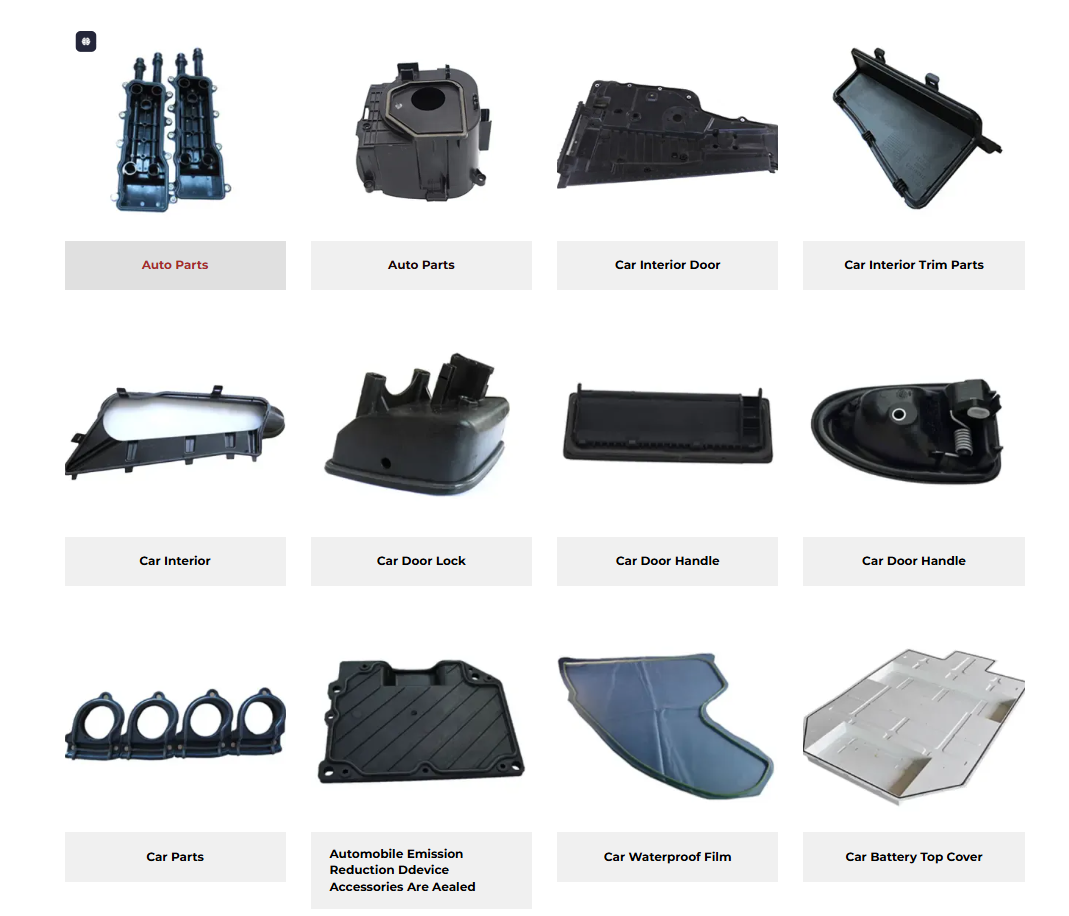
Table of Contents
- Revolutionary Technology Behind Modern PU Gasket Dispensing Systems
- Production Efficiency Advantages of Automated PU Sealing Systems
- Industrial Applications and Market Benefits
- Technical Specifications and Performance Capabilities
- Return on Investment and Cost Analysis
-
FAQ
- What types of polyurethane materials can modern PU gasketing machines handle
- How do robotic integration features improve sealing quality compared to manual operations
- What maintenance requirements are typical for automated PU gasketing systems
- Can PU gasketing machines accommodate varying part sizes and geometries within the same production run