 EN
EN
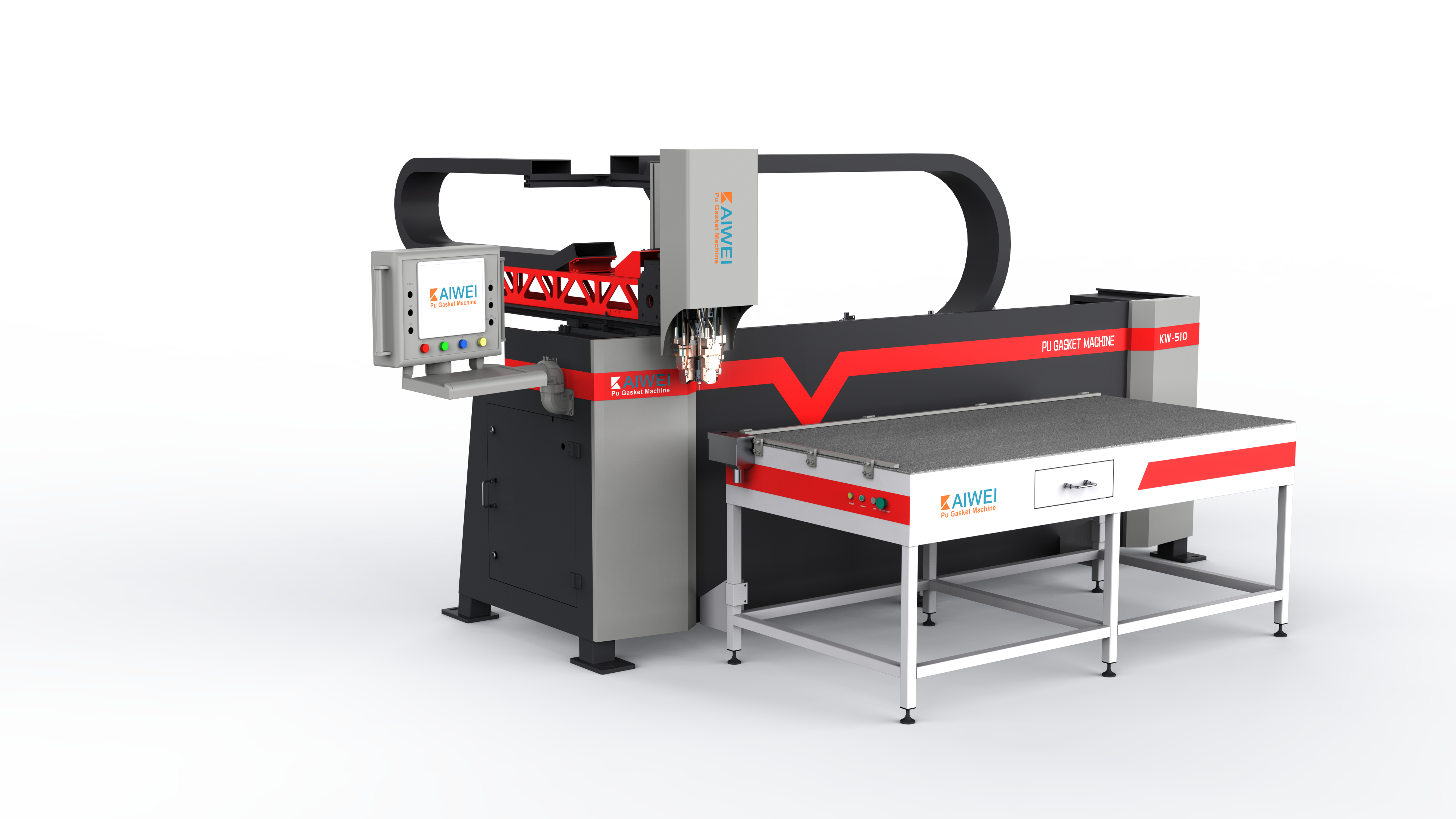
Industrial sealing applications demand precision, efficiency, and reliability to ensure optimal performance across various sectors. Manufacturing facilities worldwide are increasingly recognizing the critical importance of advanced sealing technologies that deliver consistent results while reducing operational costs. The evolution of automated sealing solutions has transformed how industries approach gasket application, particularly in electrical panel manufacturing and industrial equipment production. Modern sealing processes require sophisticated machinery that can handle diverse materials and complex geometries with minimal human intervention.
Understanding Polyurethane Gasket Sealing Technology
Polyurethane Material Properties and Advantages
Polyurethane represents one of the most versatile elastomeric materials available for industrial sealing applications. Its exceptional resistance to abrasion, chemicals, and temperature fluctuations makes it an ideal choice for demanding environments. The material exhibits superior tear strength compared to traditional rubber compounds, ensuring longevity in high-stress applications. Additionally, polyurethane maintains flexibility across wide temperature ranges, preventing brittleness in cold conditions and maintaining integrity under elevated temperatures.
The closed-cell structure of properly formulated polyurethane foam provides excellent sealing capabilities while offering cushioning properties that accommodate surface irregularities. This characteristic proves particularly valuable in electrical panel applications where consistent sealing pressure must be maintained across varying substrate conditions. The material's inherent resistance to ozone and UV degradation ensures reliable long-term performance in both indoor and outdoor installations.
Automated Sealing Process Benefits
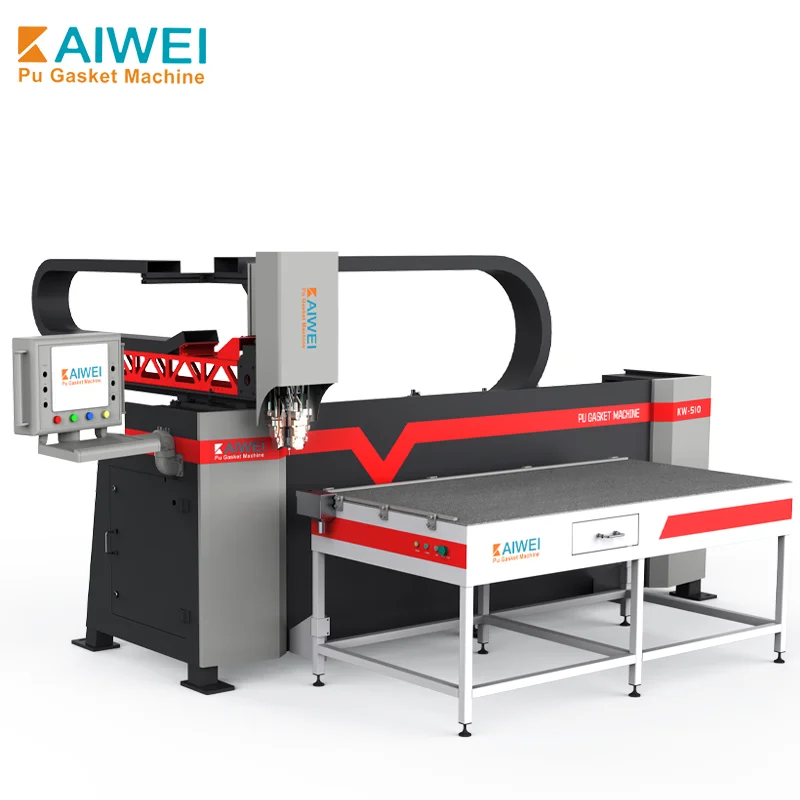
Automated PU gasket sealing machine technology eliminates human error variables while significantly increasing production throughput. These systems deliver precise material placement with consistent bead geometry, ensuring uniform sealing performance across all manufactured components. The automation reduces material waste through accurate dispensing control and eliminates the need for post-application trimming or rework that commonly occurs with manual sealing methods.
Advanced control systems integrated into modern sealing machines provide real-time monitoring of critical parameters including material temperature, flow rate, and application pressure. This continuous monitoring capability enables immediate process adjustments to maintain optimal sealing quality throughout extended production runs. The result is dramatically improved product consistency and reduced quality control requirements downstream in the manufacturing process.
Key Features of Professional Sealing Equipment
Precision Control Systems
Contemporary PU gasket sealing machine designs incorporate sophisticated control architectures that manage multiple process variables simultaneously. Temperature control systems maintain polyurethane materials within optimal processing windows, ensuring consistent viscosity and cure characteristics throughout the application process. Pressure regulation mechanisms provide precise control over material flow rates, enabling accurate bead dimensions regardless of substrate variations or environmental conditions.
Digital interfaces allow operators to program complex sealing patterns with multiple speed and flow rate changes within single cycles. This programmability proves essential for applications requiring varying bead thicknesses or specific corner treatments. Advanced models feature pattern memory capabilities that store hundreds of different sealing configurations, facilitating rapid changeovers between different product lines without extensive setup procedures.
Material Handling and Delivery Systems
Professional-grade sealing equipment incorporates heated material delivery systems that maintain polyurethane components at optimal processing temperatures from storage containers to application points. These systems typically feature dual-component pumping arrangements that ensure accurate mixing ratios while preventing premature curing within delivery lines. Automatic purging capabilities clean material pathways between production runs, preventing contamination and ensuring consistent material properties.
Integrated material level monitoring systems alert operators to low supply conditions before affecting production quality. Some advanced PU gasket sealing machine models include automatic material switching capabilities that transition to backup supplies without interrupting production cycles. These features prove particularly valuable in high-volume manufacturing environments where continuous operation is essential for meeting production targets.
Applications Across Industrial Sectors
Electrical Panel Manufacturing
Electrical panel manufacturers rely on precision sealing solutions to ensure proper environmental protection ratings for their products. The application of polyurethane gaskets requires consistent bead placement around complex panel geometries while maintaining specified compression characteristics. Modern PU gasket sealing machine technology addresses these requirements through programmable motion control systems that follow precise three-dimensional paths around panel perimeters and component cutouts.
The electrical industry demands sealing solutions that maintain integrity under varying environmental conditions including temperature cycling, moisture exposure, and chemical contamination. Polyurethane gaskets applied through automated systems provide superior performance compared to traditional preformed gaskets, particularly in applications requiring custom dimensions or complex shapes. The ability to apply gaskets in-situ eliminates inventory requirements for multiple gasket configurations while ensuring optimal fit for each panel design.
HVAC and Refrigeration Equipment
Heating, ventilation, air conditioning, and refrigeration systems require reliable sealing solutions that perform consistently across extreme temperature ranges. PU gasket sealing machine applications in this sector focus on creating airtight seals that prevent energy losses while maintaining system efficiency. The superior temperature resistance of polyurethane materials makes them ideal for applications involving both high-temperature heating elements and low-temperature cooling components.
Automated sealing processes prove particularly valuable in HVAC manufacturing where production volumes are high and sealing consistency directly impacts system performance. The ability to apply gaskets with precise thickness control ensures optimal compression ratios that balance sealing effectiveness with assembly force requirements. This precision proves critical in applications where over-compression can damage components while under-compression allows unacceptable leakage rates.
Economic Benefits and Return on Investment
Labor Cost Reduction
Implementation of automated PU gasket sealing machine technology typically results in significant labor cost reductions through decreased manual application requirements. Single operators can manage multiple sealing stations simultaneously, dramatically improving labor efficiency compared to manual sealing methods. The elimination of skilled sealing technician positions reduces ongoing training requirements while minimizing production disruptions caused by personnel turnover.
Automated systems operate consistently regardless of operator skill levels, eliminating quality variations associated with manual techniques. This consistency reduces inspection requirements and minimizes rework costs associated with improperly applied seals. The cumulative effect of these improvements typically generates substantial cost savings that justify equipment investments within relatively short payback periods.
Material Efficiency and Waste Reduction
Precision material dispensing capabilities of modern sealing equipment eliminate the overuse commonly associated with manual application methods. Accurate flow control systems deliver exactly the required material quantities, reducing raw material costs while minimizing disposal expenses for excess materials. Some PU gasket sealing machine models achieve material savings exceeding twenty percent compared to manual application methods.
The elimination of trimming operations and rework procedures further reduces material waste while decreasing production time requirements. Consistent application quality means fewer rejected parts and reduced warranty claims related to sealing failures. These factors combine to create compelling economic justification for automated sealing system investments across various manufacturing sectors.
Selection Criteria for Optimal Equipment
Production Volume Considerations
Manufacturers must carefully evaluate their production volume requirements when selecting PU gasket sealing machine equipment to ensure optimal return on investment. High-volume operations benefit from fully automated systems with rapid cycle times and minimal operator intervention requirements. These systems typically feature advanced material handling capabilities and sophisticated control systems that maximize throughput while maintaining consistent quality standards.
Lower volume operations may find semi-automatic systems more cost-effective while still achieving significant improvements over manual sealing methods. These systems offer programmable positioning and material dispensing capabilities without the complexity and cost associated with fully automated solutions. The key lies in matching equipment capabilities to actual production requirements rather than over-investing in unnecessary features.
Quality and Reliability Requirements
Applications requiring the highest sealing reliability demand PU gasket sealing machine equipment with proven track records in similar applications. Critical sealing applications benefit from systems incorporating redundant safety features and comprehensive quality monitoring capabilities. These systems typically include real-time process monitoring with automatic adjustments to maintain optimal sealing parameters throughout production cycles.
Equipment selection should prioritize manufacturers with established service support networks and comprehensive spare parts availability. The reliability of sealing equipment directly impacts production schedules, making ongoing support capabilities as important as initial equipment performance specifications. Comprehensive training programs and technical documentation further enhance the long-term value of equipment investments.
FAQ
What maintenance requirements are typical for PU gasket sealing machines?
Regular maintenance for PU gasket sealing machine equipment includes daily cleaning of material pathways, weekly calibration of dispensing systems, and monthly replacement of wear components such as seals and filters. Most manufacturers recommend comprehensive system inspections every six months to ensure optimal performance. Proper maintenance scheduling prevents unexpected downtime while extending equipment service life significantly.
How do automated sealing systems handle different substrate materials?
Modern PU gasket sealing machine systems accommodate various substrate materials through adjustable application parameters including pressure, speed, and material temperature. Different materials may require specific surface preparation or primer application to ensure optimal adhesion. Advanced systems include substrate detection capabilities that automatically adjust parameters based on material type, ensuring consistent sealing performance across diverse applications.
What training is required for operators of automated sealing equipment?
Operator training for PU gasket sealing machine equipment typically requires two to five days depending on system complexity and operator experience levels. Training covers system operation, basic troubleshooting, routine maintenance procedures, and quality control methods. Most manufacturers provide comprehensive training programs including hands-on operation experience and detailed technical documentation to ensure successful system implementation.
Can existing production lines be retrofitted with automated sealing technology?
Most production lines can accommodate PU gasket sealing machine integration through careful planning and system design. Retrofit installations may require modifications to material handling systems, electrical supplies, and workspace configurations. Experienced system integrators can evaluate existing facilities and recommend optimal integration approaches that minimize disruption to ongoing production activities while maximizing the benefits of automated sealing technology.