 EN
EN
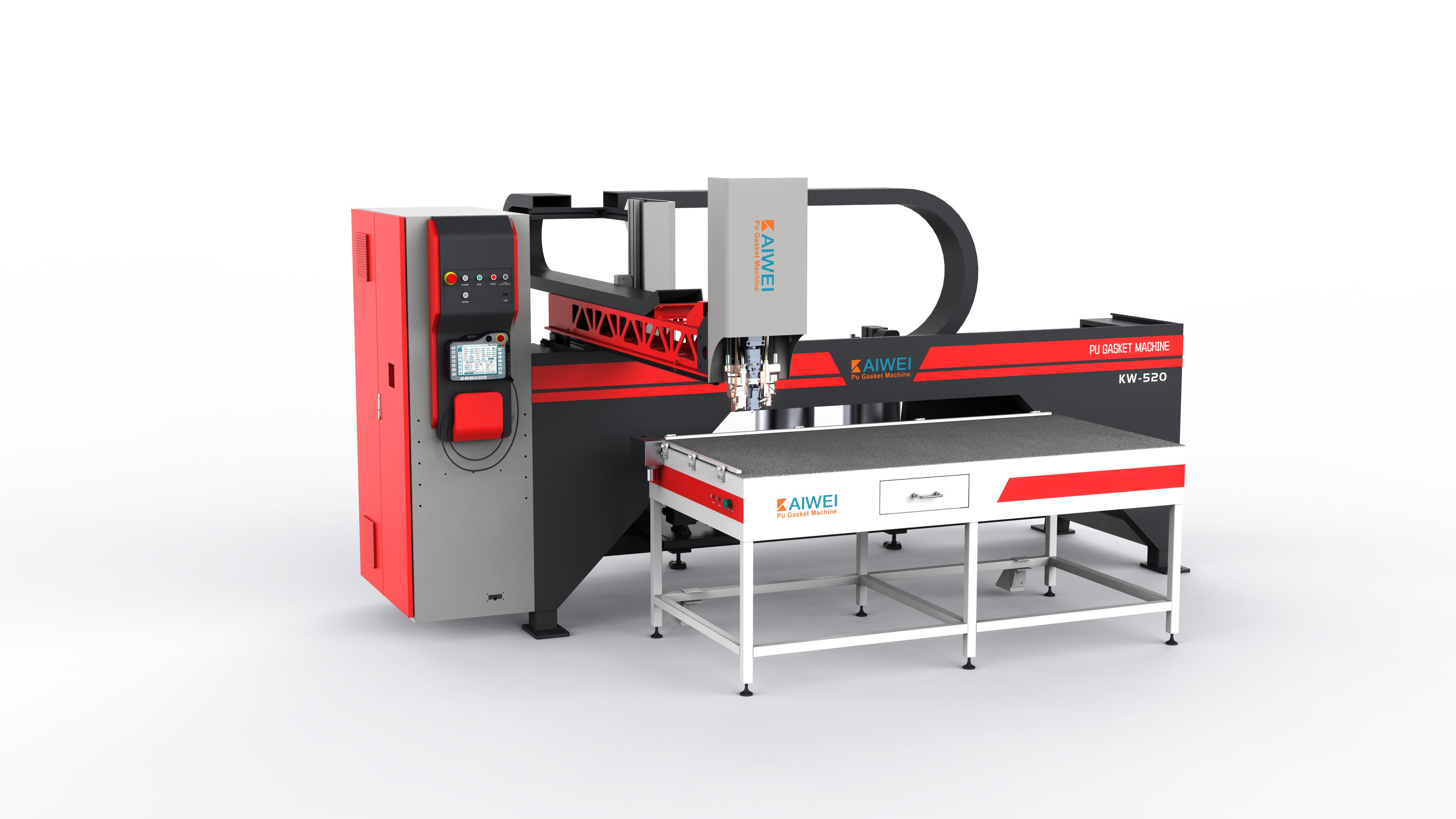
Manufacturing industries worldwide are experiencing a revolutionary shift towards automation, with sealing and gasket production leading this transformation. The emergence of sophisticated automatic foam gasket machine technology has fundamentally altered how manufacturers approach polyurethane foam sealing applications. These advanced systems represent more than just equipment upgrades; they embody a complete paradigm shift in production efficiency, quality control, and operational scalability. Modern production facilities are discovering that integrating automated gasket dispensing solutions can dramatically reduce labor costs while simultaneously improving product consistency and throughput rates.
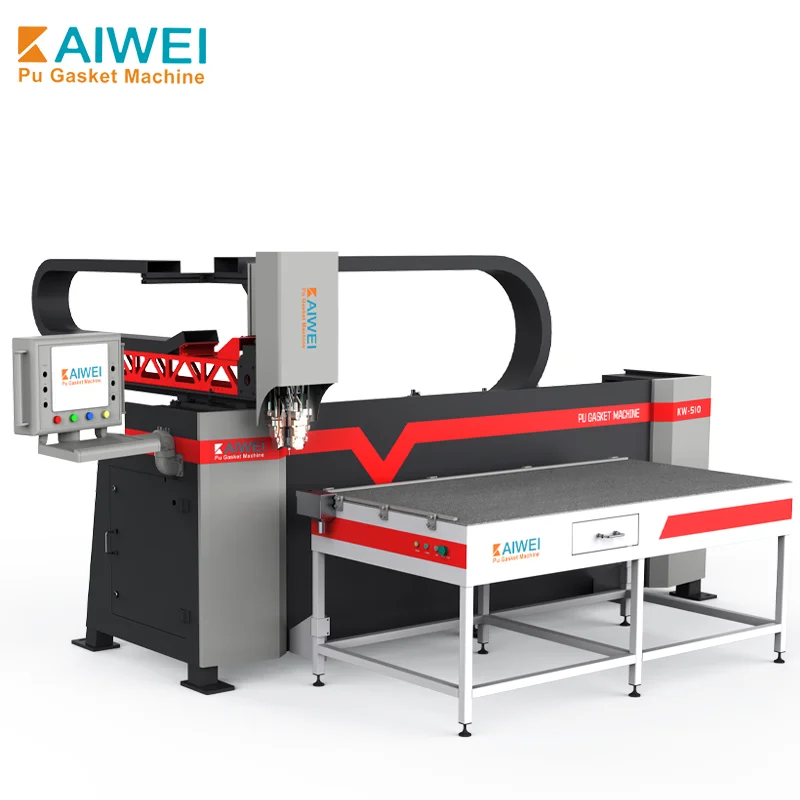
The competitive landscape demands that manufacturers maximize their operational efficiency without compromising quality standards. Traditional manual gasket application methods are increasingly inadequate for meeting modern production volumes and precision requirements. Industries ranging from electronics and automotive to HVAC and appliance manufacturing are recognizing the strategic importance of implementing automated foam dispensing solutions. The automatic foam gasket machine has emerged as a critical component in achieving lean manufacturing objectives while maintaining the flexibility to adapt to diverse product specifications and customer requirements.
Revolutionary Technology Behind Automated Foam Dispensing
Advanced Control Systems and Precision Engineering
The technological foundation of modern automatic foam gasket machine systems relies on sophisticated programmable logic controllers and precision dispensing mechanisms. These systems integrate multiple sensors, servo motors, and computerized interfaces to achieve unprecedented accuracy in foam application patterns. The control algorithms continuously monitor parameters such as dispensing speed, material flow rates, and environmental conditions to ensure optimal performance across varying production scenarios. This level of precision engineering enables manufacturers to achieve consistent gasket profiles with tolerances measured in fractions of millimeters, significantly exceeding what manual application methods can deliver.
Temperature control represents another critical technological advancement in automated foam dispensing equipment. The system maintains precise material temperatures throughout the dispensing process, ensuring optimal foam expansion characteristics and adhesion properties. Advanced heating elements and thermal regulation systems prevent material degradation while maximizing the working time for polyurethane foam applications. This temperature management capability allows the automatic foam gasket machine to maintain consistent performance regardless of ambient environmental conditions, providing reliable operation in diverse manufacturing environments.
Material Handling and Dispensing Innovations
Modern automated dispensing systems incorporate sophisticated material handling capabilities that eliminate waste while ensuring consistent material properties. The pumping mechanisms utilize positive displacement technology to deliver precise material quantities without air entrapment or pressure fluctuations. These systems can handle various polyurethane foam formulations, from fast-curing to extended working time materials, adapting automatically to different viscosity characteristics and chemical properties.
The dispensing head technology represents a significant innovation in automatic foam gasket machine design, featuring interchangeable nozzles and programmable dispensing patterns. These heads can create complex gasket geometries, including corners, curves, and variable thickness profiles, all while maintaining consistent material flow characteristics. The precision of these dispensing systems enables manufacturers to reduce material waste by up to 30% compared to traditional application methods, while simultaneously improving the quality and consistency of the finished gasket profiles.
Operational Efficiency and Production Benefits
Throughput Enhancement and Cycle Time Reduction
Implementation of an automatic foam gasket machine typically results in dramatic improvements in production throughput, with many facilities reporting cycle time reductions of 40-60% compared to manual processes. These efficiency gains stem from the elimination of human variability factors and the ability to maintain consistent dispensing speeds throughout extended production runs. The automated systems can operate continuously without fatigue-related performance degradation, enabling manufacturers to achieve higher overall equipment effectiveness ratings.
The programmable nature of these systems allows for rapid changeovers between different product configurations, minimizing setup time and maximizing productive capacity utilization. Advanced systems can store multiple dispensing programs, enabling operators to switch between different gasket patterns or material specifications with minimal downtime. This flexibility proves particularly valuable in mixed-model production environments where manufacturers must accommodate diverse product requirements within the same production facility.
Quality Consistency and Defect Reduction
Automated foam dispensing systems deliver remarkable improvements in product quality consistency, virtually eliminating the variability associated with manual application techniques. The precise control over material flow rates, dispensing speed, and application patterns ensures that every gasket meets identical specifications. This consistency translates directly into reduced warranty claims, improved customer satisfaction, and enhanced brand reputation in competitive markets.
The quality benefits extend beyond mere consistency to include improved gasket performance characteristics. The controlled environment within the automatic foam gasket machine prevents contamination and ensures optimal material curing conditions. This results in gaskets with superior sealing properties, enhanced durability, and improved resistance to environmental factors such as temperature fluctuations, chemical exposure, and mechanical stress.
Economic Impact and Return on Investment
Labor Cost Optimization and Workforce Allocation
The economic advantages of implementing automated foam dispensing technology extend far beyond simple labor replacement scenarios. While these systems do reduce direct labor requirements for gasket application tasks, they simultaneously enable manufacturers to redeploy skilled workers to higher-value activities such as quality control, equipment maintenance, and process optimization. This workforce reallocation strategy maximizes the utilization of human capital while improving overall operational efficiency.
The reduced dependency on manual labor also provides significant advantages in terms of workforce management and production planning. Manufacturers no longer face production delays due to operator availability issues, training requirements, or skill level variations between different workers. The automatic foam gasket machine operates consistently regardless of shift changes, holidays, or employee turnover, providing predictable production capacity that enables more accurate delivery commitments to customers.
Material Utilization and Waste Reduction
Automated dispensing systems achieve superior material utilization efficiency through precise control over foam application quantities and patterns. The elimination of human error factors results in consistent material usage that closely matches theoretical consumption calculations. This precision reduces material waste by significant percentages while ensuring that each gasket receives the optimal amount of sealing material for maximum performance.
The closed-loop material handling systems prevent contamination and minimize exposure to atmospheric conditions that could degrade material properties. This protection extends material shelf life and reduces the frequency of material replacement, contributing to lower overall material costs. Additionally, the ability to precisely control dispensing parameters allows manufacturers to optimize material formulations for specific applications, potentially reducing material costs while maintaining or improving performance characteristics.
Integration Strategies for Maximum Impact
Production Line Configuration and Workflow Optimization
Successful integration of an automatic foam gasket machine requires careful consideration of existing production line configurations and material flow patterns. The optimal positioning of automated dispensing equipment depends on factors such as part handling requirements, curing time considerations, and downstream processing steps. Manufacturing engineers must evaluate the entire production sequence to identify the most advantageous integration points that maximize efficiency while maintaining product quality standards.
The integration process often reveals opportunities for broader production line optimization beyond the immediate gasket application area. Manufacturers frequently discover that implementing automated dispensing technology creates possibilities for improving material handling systems, reducing work-in-process inventory, and streamlining quality control procedures. These secondary benefits can significantly amplify the overall return on investment from automation initiatives.
Training and Operational Procedures
The transition to automated foam dispensing technology requires comprehensive operator training programs that emphasize both technical competency and safety procedures. Modern automatic foam gasket machine systems incorporate user-friendly interfaces, but operators must understand the underlying principles of polyurethane foam chemistry, dispensing parameters, and troubleshooting procedures. Effective training programs combine theoretical knowledge with hands-on experience to ensure that operators can maximize system capabilities while maintaining safe working conditions.
Maintenance procedures represent another critical aspect of successful automation implementation. Preventive maintenance programs must address both mechanical components and software systems to ensure optimal performance and longevity. Regular calibration procedures, material system cleaning protocols, and component replacement schedules help maintain the precision and reliability that make automated dispensing systems economically advantageous.
Future Developments and Industry Trends
Smart Manufacturing and Industry 4.0 Integration
The evolution of automatic foam gasket machine technology increasingly incorporates smart manufacturing principles and Internet of Things connectivity. These advanced systems generate extensive operational data that provides valuable insights into production efficiency, material utilization, and equipment performance trends. Manufacturers can leverage this data to optimize dispensing parameters, predict maintenance requirements, and identify opportunities for continuous improvement.
Machine learning algorithms are beginning to influence automated dispensing system capabilities, enabling equipment to automatically adjust operating parameters based on environmental conditions, material properties, and historical performance data. This artificial intelligence integration promises to further improve consistency and efficiency while reducing the technical expertise required for optimal system operation. The automatic foam gasket machine of the future will likely feature predictive capabilities that anticipate and prevent potential quality issues before they impact production.
Sustainability and Environmental Considerations
Environmental sustainability concerns are driving innovations in automated foam dispensing technology, with manufacturers seeking solutions that minimize waste generation and reduce environmental impact. Advanced systems incorporate features such as solvent-free cleaning cycles, recyclable material containers, and energy-efficient heating systems. These environmental improvements often align with cost reduction objectives, creating win-win scenarios for manufacturers implementing automated dispensing technology.
The precision control capabilities of modern automatic foam gasket machine systems enable manufacturers to optimize material formulations for specific performance requirements while minimizing environmental impact. This optimization can involve reducing volatile organic compound emissions, improving material recyclability, or extending product service life to reduce replacement frequency. As environmental regulations become more stringent, the ability to precisely control material application becomes increasingly valuable for regulatory compliance.
FAQ
What maintenance requirements are associated with automatic foam gasket machines?
Regular maintenance for automatic foam gasket machine systems includes daily cleaning of dispensing components, weekly calibration checks, and monthly replacement of wear parts such as seals and filters. Most systems feature automated cleaning cycles that reduce manual maintenance requirements, while diagnostic systems alert operators to potential issues before they impact production quality. Comprehensive maintenance programs typically require 2-4 hours per week of technician time, depending on production volume and system complexity.
How do these machines handle different polyurethane foam formulations?
Modern automatic foam gasket machine systems accommodate various polyurethane formulations through programmable dispensing parameters and adjustable material handling components. The systems can automatically adjust temperature control, mixing ratios, and dispensing speeds to optimize performance for different material viscosities and curing characteristics. Material changeover procedures typically require 15-30 minutes and involve purging previous materials and loading new dispensing parameters from stored programs.
What training is required for operators of automated dispensing equipment?
Operator training for automatic foam gasket machine systems typically requires 40-80 hours of comprehensive instruction covering system operation, safety procedures, troubleshooting, and basic maintenance tasks. Training programs include classroom instruction on polyurethane chemistry and dispensing principles, followed by supervised hands-on experience with actual production scenarios. Most manufacturers provide ongoing support and advanced training modules to help operators maximize system capabilities and efficiency.
Can automatic foam gasket machines integrate with existing production management systems?
Yes, most modern automatic foam gasket machine systems feature standard communication protocols that enable integration with enterprise resource planning systems, manufacturing execution systems, and quality management databases. These systems can automatically log production data, material consumption, and quality metrics while receiving production schedules and work orders from upstream planning systems. Integration capabilities typically include Ethernet connectivity, OPC communication protocols, and standard database interfaces that facilitate seamless information exchange with existing manufacturing infrastructure.
Table of Contents
- Revolutionary Technology Behind Automated Foam Dispensing
- Operational Efficiency and Production Benefits
- Economic Impact and Return on Investment
- Integration Strategies for Maximum Impact
- Future Developments and Industry Trends
-
FAQ
- What maintenance requirements are associated with automatic foam gasket machines?
- How do these machines handle different polyurethane foam formulations?
- What training is required for operators of automated dispensing equipment?
- Can automatic foam gasket machines integrate with existing production management systems?