 EN
EN

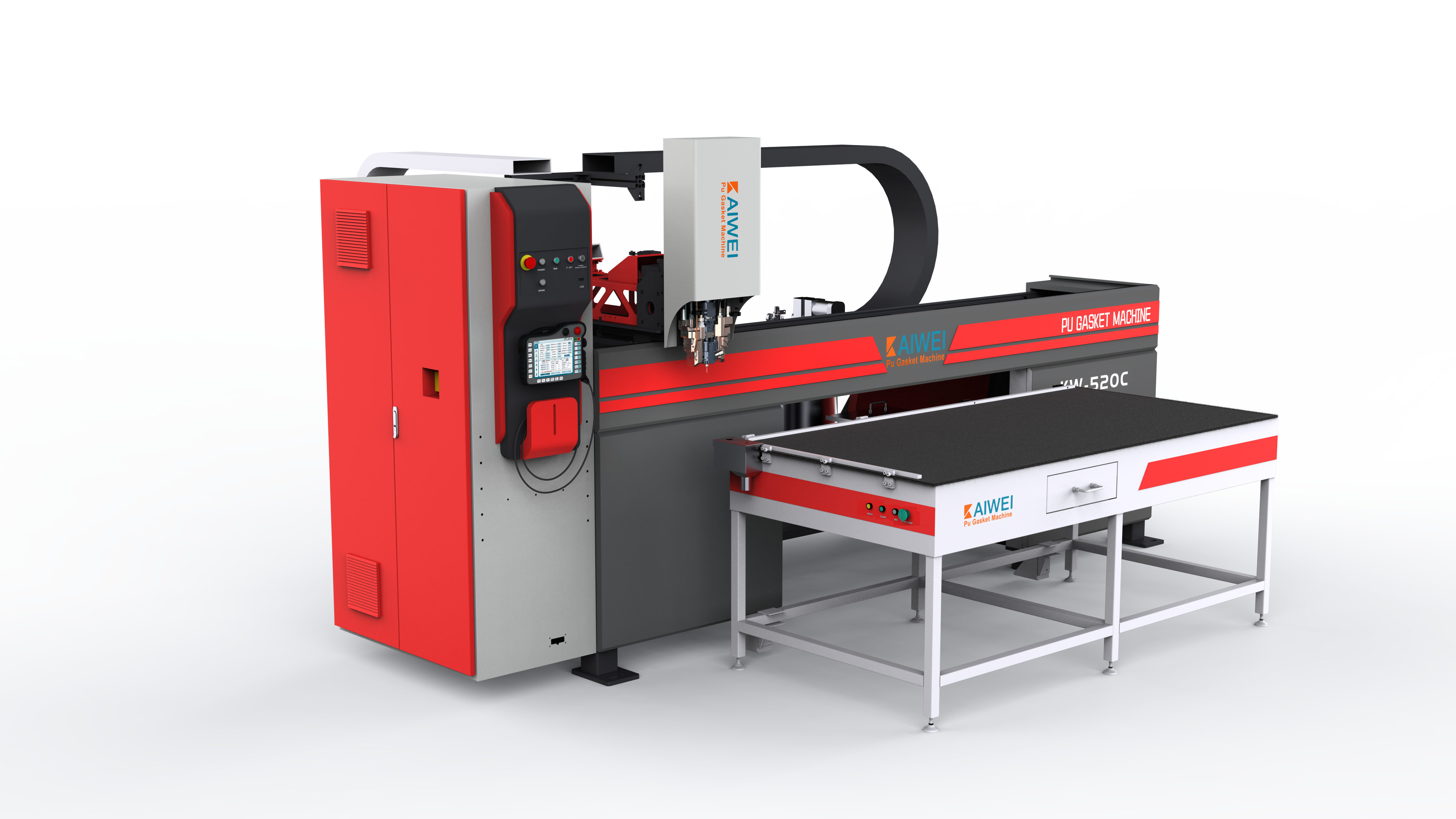
Industrial manufacturing demands precision, efficiency, and consistent quality in every process. When it comes to creating reliable sealing solutions for electrical panels and enclosures, the traditional manual methods often fall short of modern production requirements. A foam gasket machine represents a revolutionary advancement in automated sealing technology, transforming how manufacturers approach gasket production and installation. This sophisticated equipment combines precision engineering with automated functionality to deliver superior sealing performance across various industrial applications.
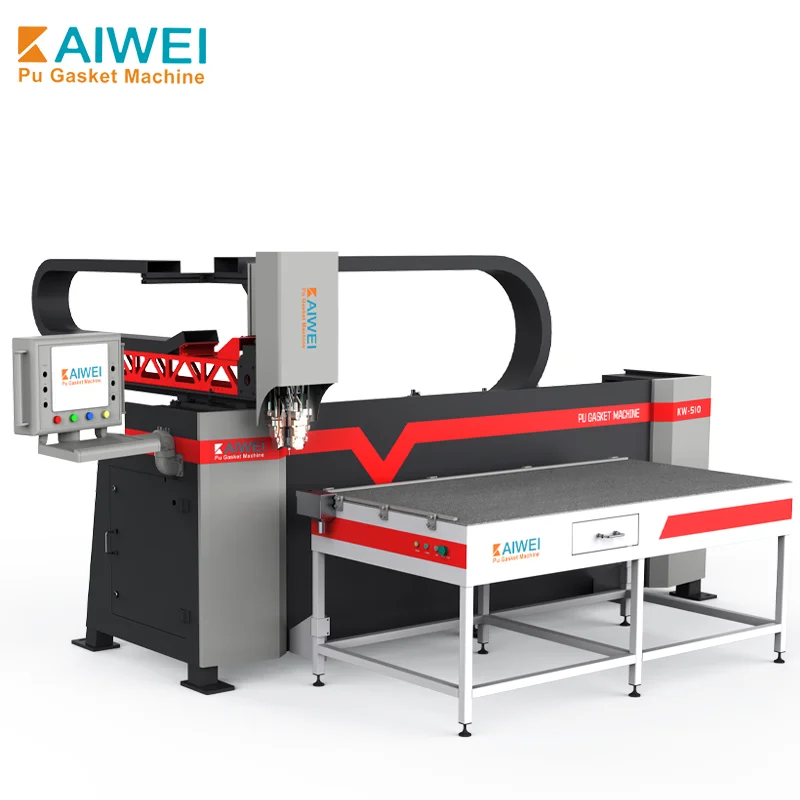
The evolution of sealing technology has brought forth innovative solutions that address the growing demands of modern manufacturing environments. Companies worldwide are recognizing the significant advantages of implementing automated sealing systems in their production lines. These advanced machines not only enhance productivity but also ensure consistent quality standards that manual processes simply cannot match. The integration of polyurethane foam dispensing technology has opened new possibilities for creating durable, weather-resistant seals that meet the stringent requirements of electrical panel manufacturing and similar industrial applications.
Understanding Automated Foam Gasket Technology
Core Components and Functionality
A modern foam gasket machine incorporates several critical components working in harmony to achieve optimal sealing results. The dispensing system forms the heart of the operation, featuring precision-controlled pumps that deliver exact amounts of polyurethane foam material. Temperature control systems maintain the foam at optimal viscosity levels throughout the application process. Advanced motion control systems guide the dispensing head along predetermined paths, ensuring consistent bead placement and thickness across the entire gasket perimeter.
The mixing chamber represents another crucial element where two-component polyurethane materials combine to create the final foam formulation. This process requires precise ratios and thorough mixing to achieve the desired foam characteristics. Pressure monitoring systems continuously track material flow rates and adjust parameters in real-time to maintain consistent output quality. The integration of these components creates a seamless workflow that transforms raw materials into professional-grade gaskets with minimal human intervention.
Material Properties and Applications
Polyurethane foam offers exceptional properties that make it ideal for gasket applications in demanding environments. The material exhibits excellent compression set resistance, maintaining its sealing effectiveness even after prolonged exposure to pressure and temperature fluctuations. Chemical resistance properties ensure longevity in harsh industrial conditions where exposure to oils, solvents, and cleaning agents is common. The closed-cell structure of the foam provides superior moisture barrier capabilities, preventing water ingress that could compromise electrical panel integrity.
Temperature stability represents another significant advantage of polyurethane foam gaskets produced by automated systems. These seals maintain their flexibility and sealing properties across a wide temperature range, from sub-zero conditions to elevated operating temperatures. The foam gasket machine ensures consistent material density and cellular structure, resulting in predictable performance characteristics across all produced units. This consistency is particularly important for manufacturers who require certified sealing solutions for critical applications.
Manufacturing Process Optimization
Precision Control Systems
Modern automated sealing equipment incorporates sophisticated control systems that monitor and adjust multiple parameters simultaneously. Flow rate controllers ensure precise material delivery, while temperature sensors maintain optimal processing conditions throughout the production cycle. Position feedback systems provide real-time location data for the dispensing head, enabling accurate path following and consistent bead placement. These control mechanisms work together to eliminate the variability inherent in manual sealing processes.
The programming interface of a quality foam gasket machine allows operators to create custom sealing patterns for various panel configurations. Recipe management systems store multiple formulations and dispensing parameters, enabling quick changeovers between different product types. Quality monitoring sensors detect deviations from specified parameters and alert operators to potential issues before they affect product quality. This level of process control ensures that every gasket meets the required specifications for its intended application.
Production Efficiency Benefits
Implementing automated sealing technology delivers substantial improvements in production throughput compared to manual methods. The continuous operation capability of these machines eliminates the fatigue factor that affects human operators during repetitive tasks. Cycle times become predictable and consistent, enabling accurate production planning and scheduling. The reduction in material waste through precise dispensing control contributes to lower overall production costs while maintaining superior quality standards.
Labor cost optimization represents another significant advantage of automated sealing systems. A single operator can typically manage multiple machines simultaneously, reducing the workforce requirements for gasket production operations. The elimination of skilled labor dependency for sealing operations provides greater scheduling flexibility and reduces training requirements. Additionally, the consistent quality output reduces rejection rates and the associated costs of rework or scrap materials.
Quality Assurance and Performance Standards
Testing and Validation Protocols
Professional foam gasket machine installations include comprehensive testing capabilities to verify seal integrity and performance characteristics. Leak testing equipment evaluates the effectiveness of completed seals under various pressure differentials and environmental conditions. Adhesion strength testing ensures proper bonding between the foam material and substrate surfaces. These validation processes provide documented proof of sealing performance for quality assurance purposes and regulatory compliance requirements.
Environmental testing protocols subject completed gaskets to accelerated aging conditions that simulate years of field exposure in controlled laboratory settings. Temperature cycling tests evaluate seal performance under thermal stress conditions typical of outdoor electrical installations. UV exposure testing assesses the long-term stability of foam materials when subjected to solar radiation. Moisture resistance testing validates the barrier properties of the seal under high humidity conditions and direct water exposure.
Industry Standards Compliance
Manufacturing facilities utilizing automated sealing technology must adhere to various industry standards and certification requirements. IP rating compliance ensures that sealed enclosures meet specified ingress protection levels for dust and moisture. UL listing requirements mandate specific material properties and performance characteristics for electrical panel applications. ISO quality management standards require documented processes and traceability for all sealing operations performed by the foam gasket machine.
Regulatory compliance extends beyond product performance to include environmental and safety considerations. VOC emission limits restrict the types of materials that can be used in foam formulations. Workplace safety regulations require proper ventilation and personal protective equipment when operating sealing equipment. Documentation requirements mandate detailed records of material lot numbers, processing parameters, and quality test results for each production batch.
Implementation Considerations and Best Practices
Facility Requirements and Setup
Successful implementation of automated sealing technology requires careful attention to facility infrastructure and environmental conditions. Adequate electrical power supply with clean, stable voltage is essential for consistent machine operation and control system reliability. Compressed air systems must provide clean, dry air at specified pressure levels to operate pneumatic components effectively. Temperature and humidity control within the production area ensures optimal material handling and processing conditions.
Material storage and handling systems require special consideration for two-component polyurethane formulations used in foam gasket production. Temperature-controlled storage areas prevent premature curing or material degradation. Proper material handling equipment ensures safe transfer of chemicals from storage containers to machine reservoirs. Waste collection and disposal systems must comply with environmental regulations for chemical waste management.
Maintenance and Support Requirements
Preventive maintenance programs are essential for maintaining optimal performance and extending equipment life. Regular cleaning cycles remove material buildup from dispensing components and prevent contamination of subsequent production runs. Calibration procedures verify the accuracy of flow meters, pressure sensors, and temperature controllers. Component replacement schedules ensure that wear items are changed before they affect product quality or machine reliability.
Technical support and training programs from equipment manufacturers provide essential knowledge for successful operation and troubleshooting. Operator training courses cover proper machine setup, material handling procedures, and quality control protocols. Maintenance training ensures that facility personnel can perform routine service tasks and identify potential issues before they cause production disruptions. Remote diagnostic capabilities enable manufacturers to provide rapid technical support when problems arise.
Cost Analysis and Return on Investment
Initial Investment Considerations
The capital investment required for implementing automated sealing technology varies significantly based on production volume requirements and desired automation levels. Basic foam gasket machine configurations suitable for moderate production volumes represent a more accessible entry point for smaller manufacturers. High-volume installations with multiple dispensing heads and integrated quality monitoring systems require substantial capital investment but deliver correspondingly higher production capabilities.
Equipment financing options and leasing programs can help manufacturers manage the initial capital requirements while beginning to realize the benefits of automated sealing technology. Total cost of ownership calculations should include ongoing material costs, maintenance expenses, and utility consumption. Training costs for operators and maintenance personnel represent additional investments that contribute to successful implementation and long-term operation.
Operational Cost Savings
Material cost optimization through precise dispensing control typically generates significant ongoing savings compared to manual application methods. Reduced waste and improved yield rates directly impact the bottom line cost per gasket produced. Labor cost reductions through automation enable manufacturers to reallocate skilled personnel to higher-value activities while maintaining or increasing production output levels.
Quality improvement benefits translate into reduced warranty claims and enhanced customer satisfaction. Consistent seal performance reduces field failures and the associated service costs. Improved production scheduling accuracy enables better inventory management and reduced carrying costs. These operational improvements typically generate payback periods of 12 to 24 months for properly implemented foam gasket machine installations.
Future Developments in Sealing Technology
Advanced Automation Features
The evolution of sealing technology continues to drive innovation in automated equipment design and functionality. Vision systems integrated with dispensing equipment provide real-time quality monitoring and automatic adjustment capabilities. Artificial intelligence algorithms analyze production data to optimize dispensing parameters and predict maintenance requirements. Internet of Things connectivity enables remote monitoring and predictive analytics for improved operational efficiency.
Robotics integration expands the possibilities for complex sealing patterns and three-dimensional gasket applications. Multi-axis positioning systems enable sealing operations on curved or irregular surfaces that were previously impossible to automate. Collaborative robot technology allows safe human-machine interaction for hybrid manual and automated operations. These advanced capabilities open new application possibilities while maintaining the consistency and quality advantages of automated sealing processes.
Material Technology Advances
Ongoing research and development in polyurethane chemistry continues to improve the performance characteristics of foam sealing materials. Enhanced UV resistance formulations extend the service life of outdoor applications without compromising other material properties. Improved adhesion promoters enable sealing on challenging substrate materials including various plastics and composite materials. Faster cure formulations reduce cycle times while maintaining the superior performance characteristics that make foam gaskets preferred for demanding applications.
Environmental considerations drive the development of lower VOC formulations that maintain performance while reducing environmental impact. Bio-based raw materials offer sustainable alternatives to traditional petroleum-derived components. Recyclable foam formulations address end-of-life disposal concerns for environmentally conscious manufacturers. These material advances ensure that foam gasket machine technology continues to meet evolving regulatory requirements and customer expectations.
FAQ
What are the main advantages of using automated foam gasket equipment over manual sealing methods
Automated foam gasket systems deliver superior consistency, eliminating the variability inherent in manual processes while significantly reducing labor costs and material waste. These machines provide precise control over foam dispensing parameters, resulting in uniform bead thickness and optimal seal performance across all production units. Additionally, automated systems operate continuously without fatigue, enabling higher production throughput and more predictable manufacturing schedules.
How does polyurethane foam compare to traditional gasket materials for electrical panel applications
Polyurethane foam offers superior compression set resistance and chemical compatibility compared to rubber or cork gaskets, maintaining effective sealing over extended service periods. The closed-cell structure provides excellent moisture barrier properties essential for electrical applications, while the material's flexibility accommodates thermal expansion and contraction cycles. The in-place gasketing process also eliminates the inventory requirements and handling issues associated with pre-formed gasket materials.
What maintenance requirements are associated with foam gasket production equipment
Regular cleaning cycles are essential to prevent material buildup in dispensing components, typically performed between material changes or at specified intervals. Calibration procedures ensure accuracy of flow meters and control systems, while preventive replacement of wear components like seals and filters maintains optimal performance. Most manufacturers provide comprehensive maintenance schedules and training programs to support proper equipment care and maximize operational reliability.
What factors should be considered when selecting a foam gasket machine for a specific application
Production volume requirements determine the appropriate machine capacity and automation level, while part geometry complexity influences the need for multi-axis positioning capabilities. Material compatibility ensures that the selected equipment can handle the specific foam formulations required for the application. Facility infrastructure including power, compressed air, and ventilation must also be evaluated to support proper machine installation and operation.
Table of Contents
- Understanding Automated Foam Gasket Technology
- Manufacturing Process Optimization
- Quality Assurance and Performance Standards
- Implementation Considerations and Best Practices
- Cost Analysis and Return on Investment
- Future Developments in Sealing Technology
-
FAQ
- What are the main advantages of using automated foam gasket equipment over manual sealing methods
- How does polyurethane foam compare to traditional gasket materials for electrical panel applications
- What maintenance requirements are associated with foam gasket production equipment
- What factors should be considered when selecting a foam gasket machine for a specific application