ماشین چسبانی سیل پییو با کیفیت بالا
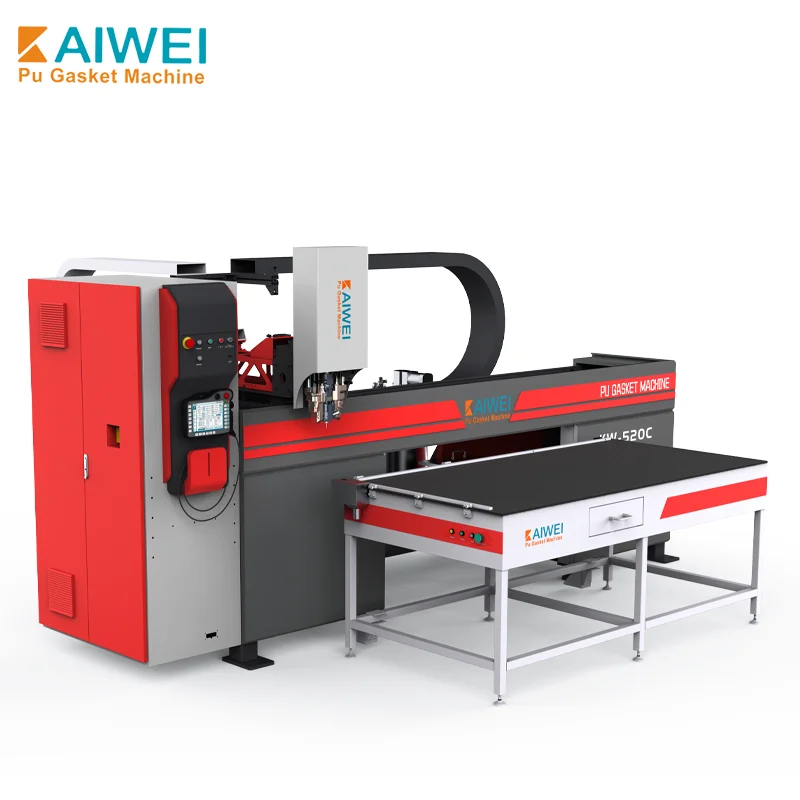
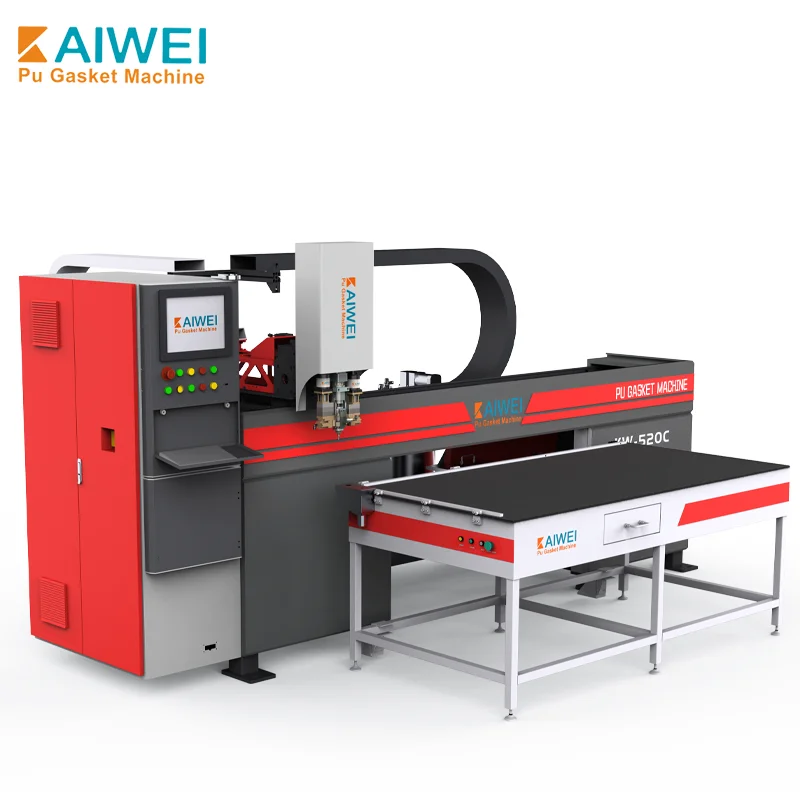
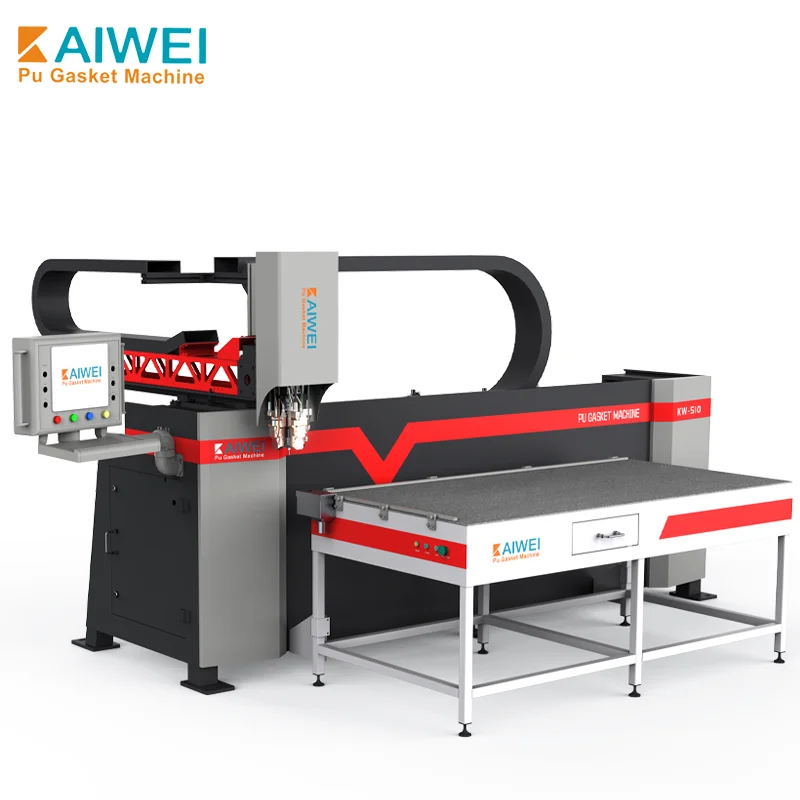
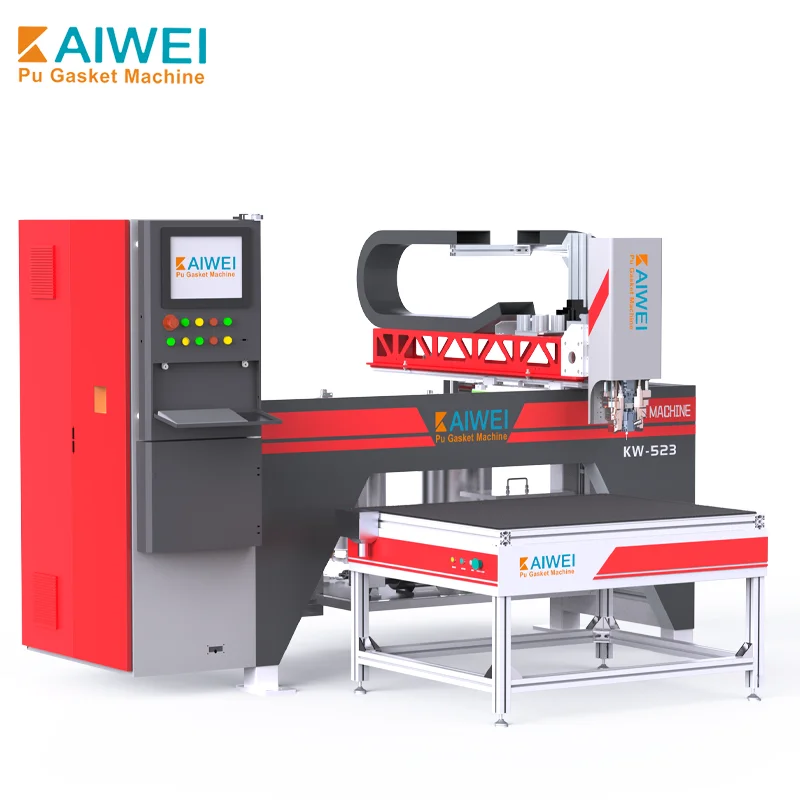
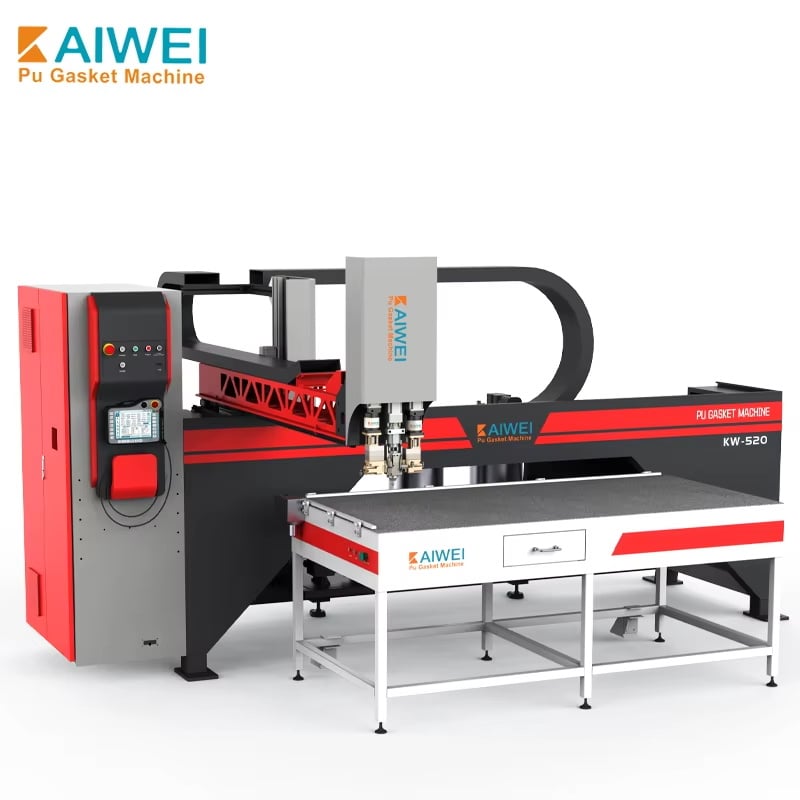
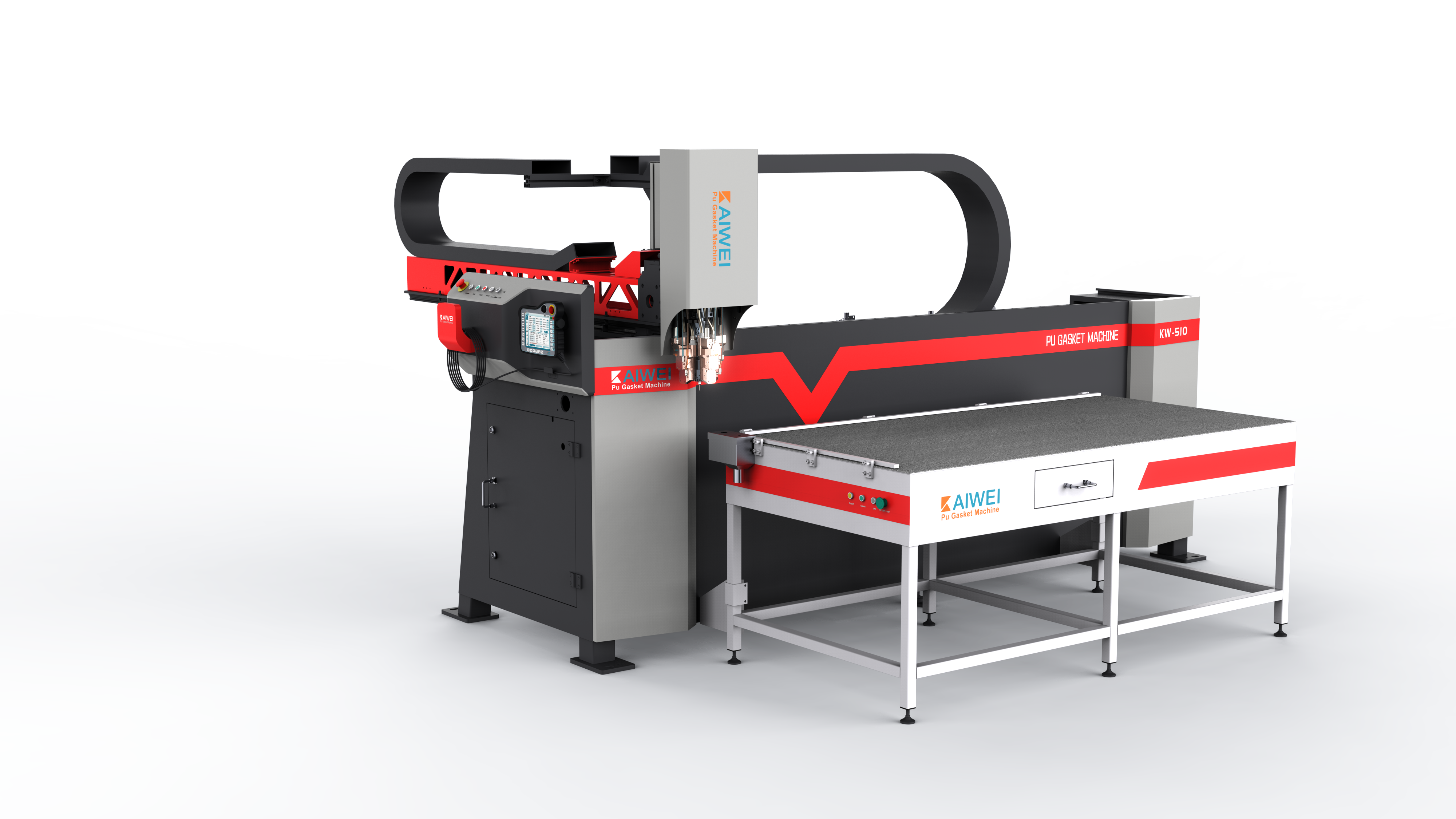
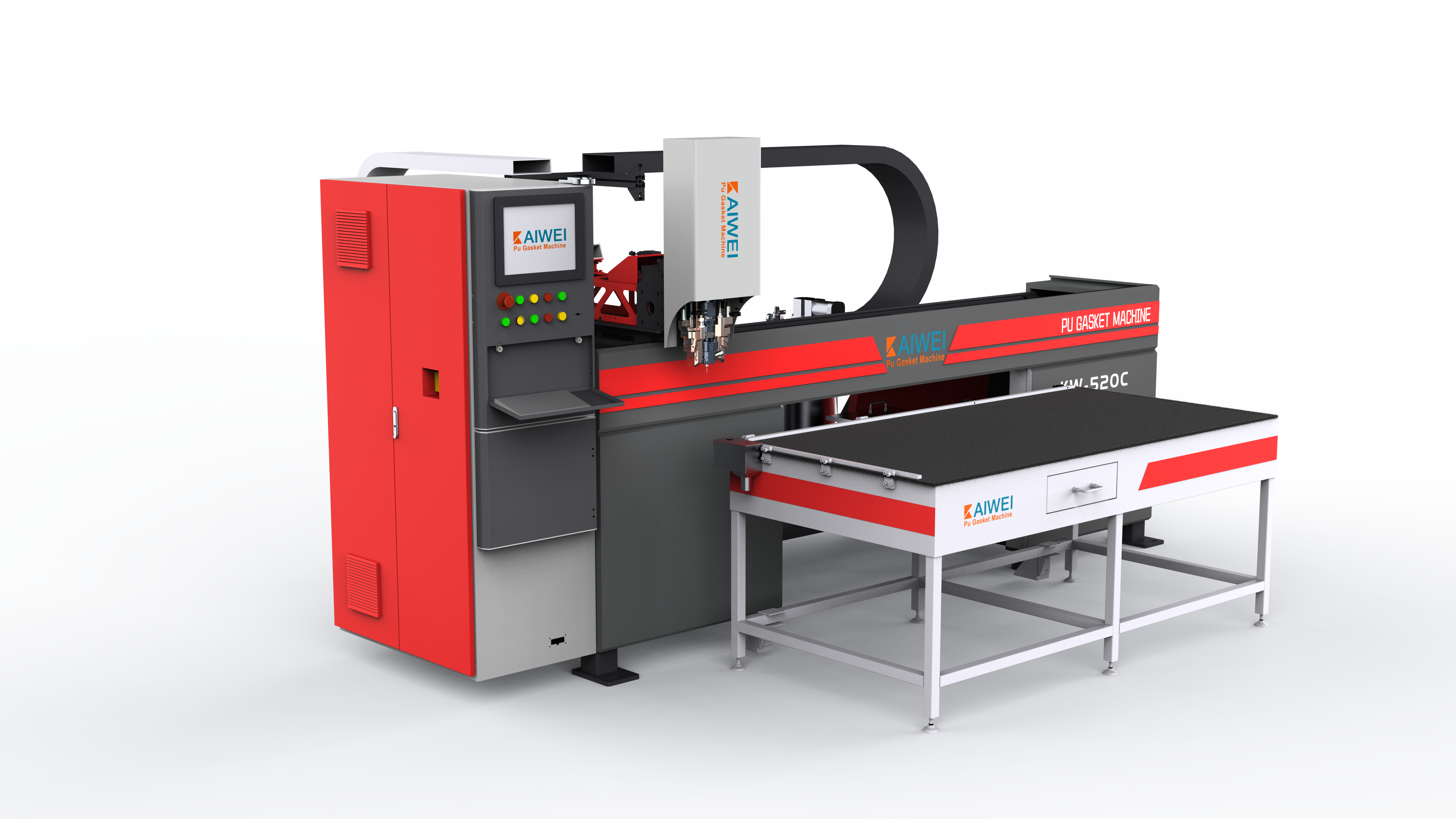
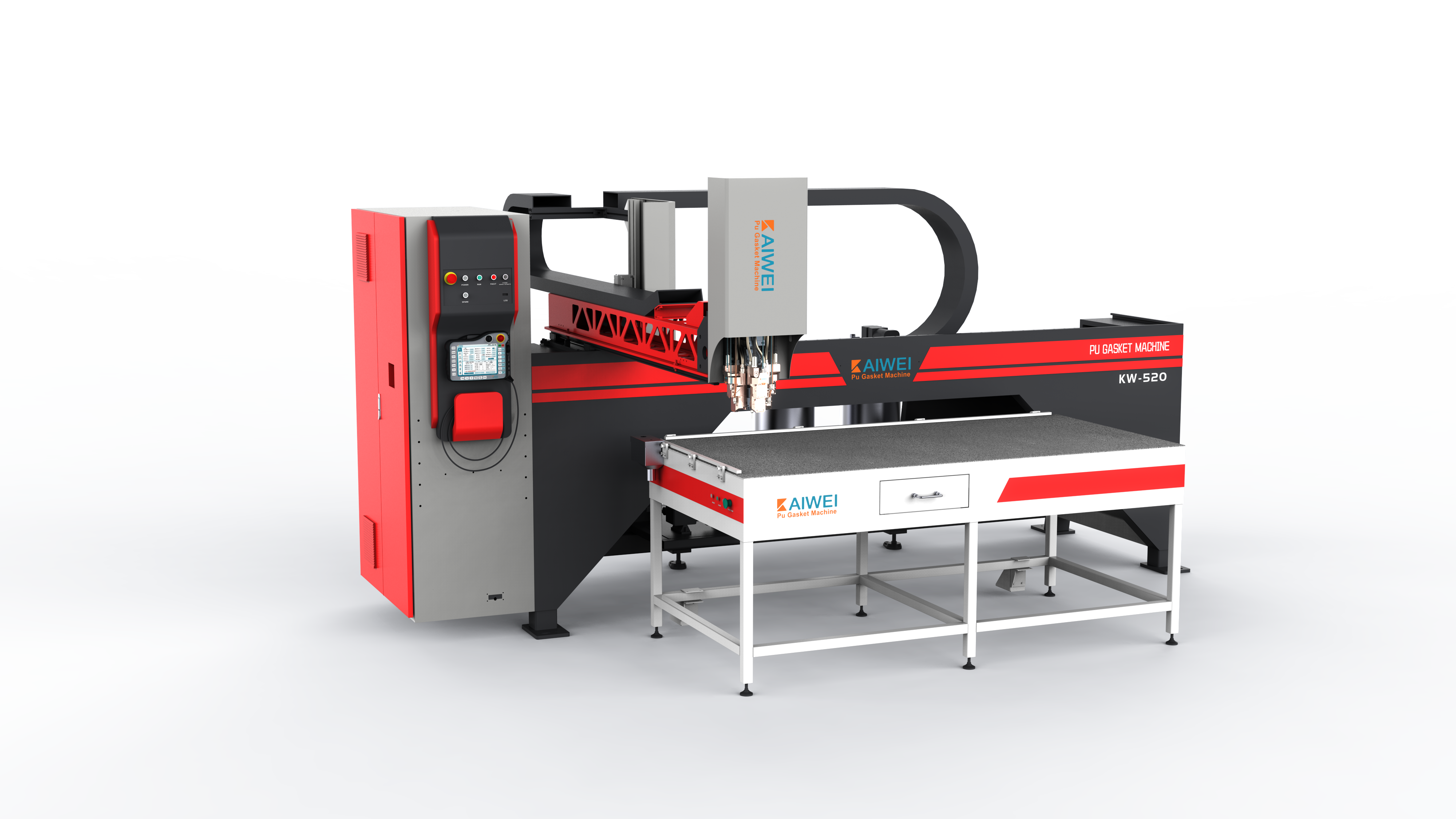
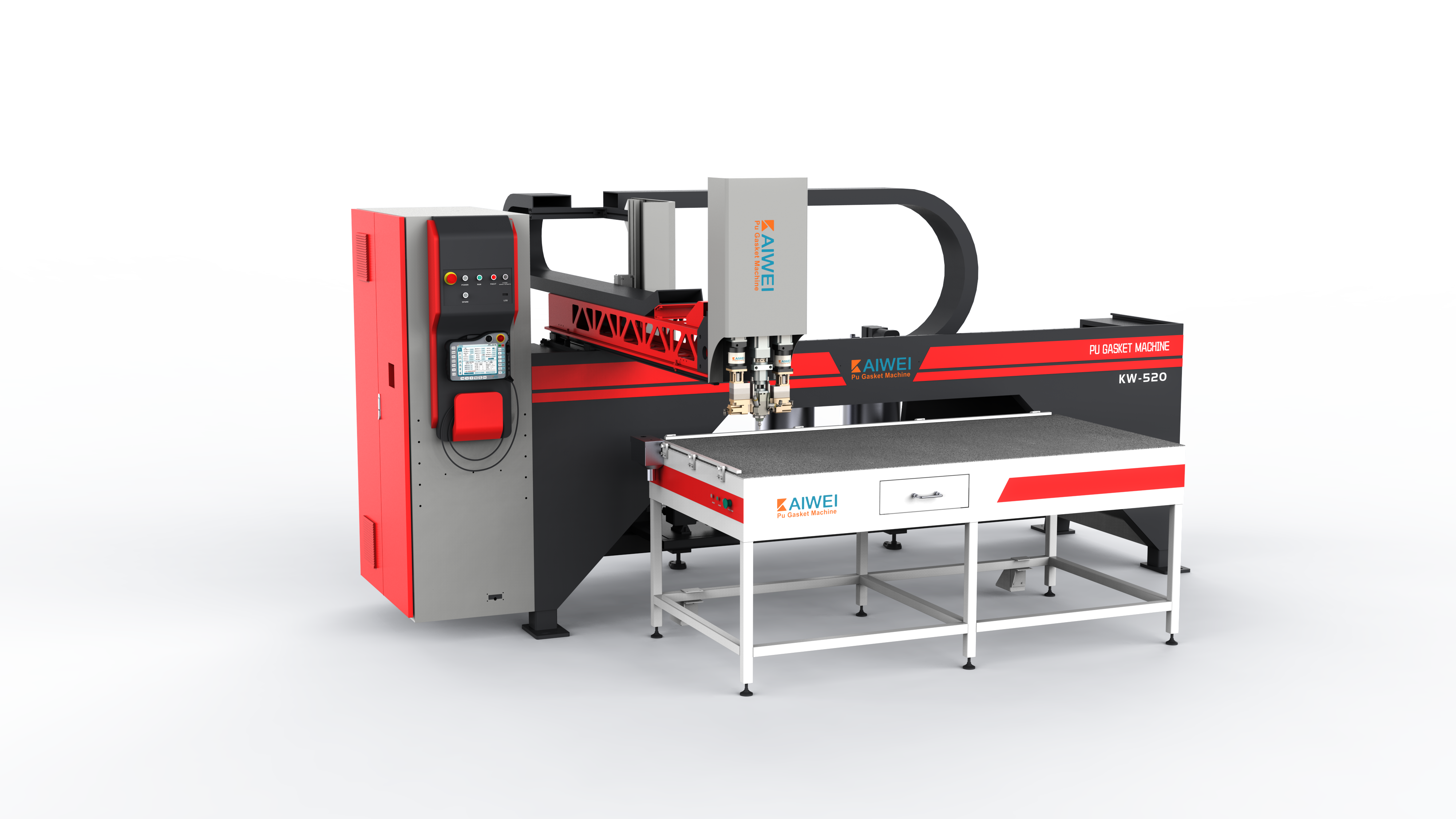
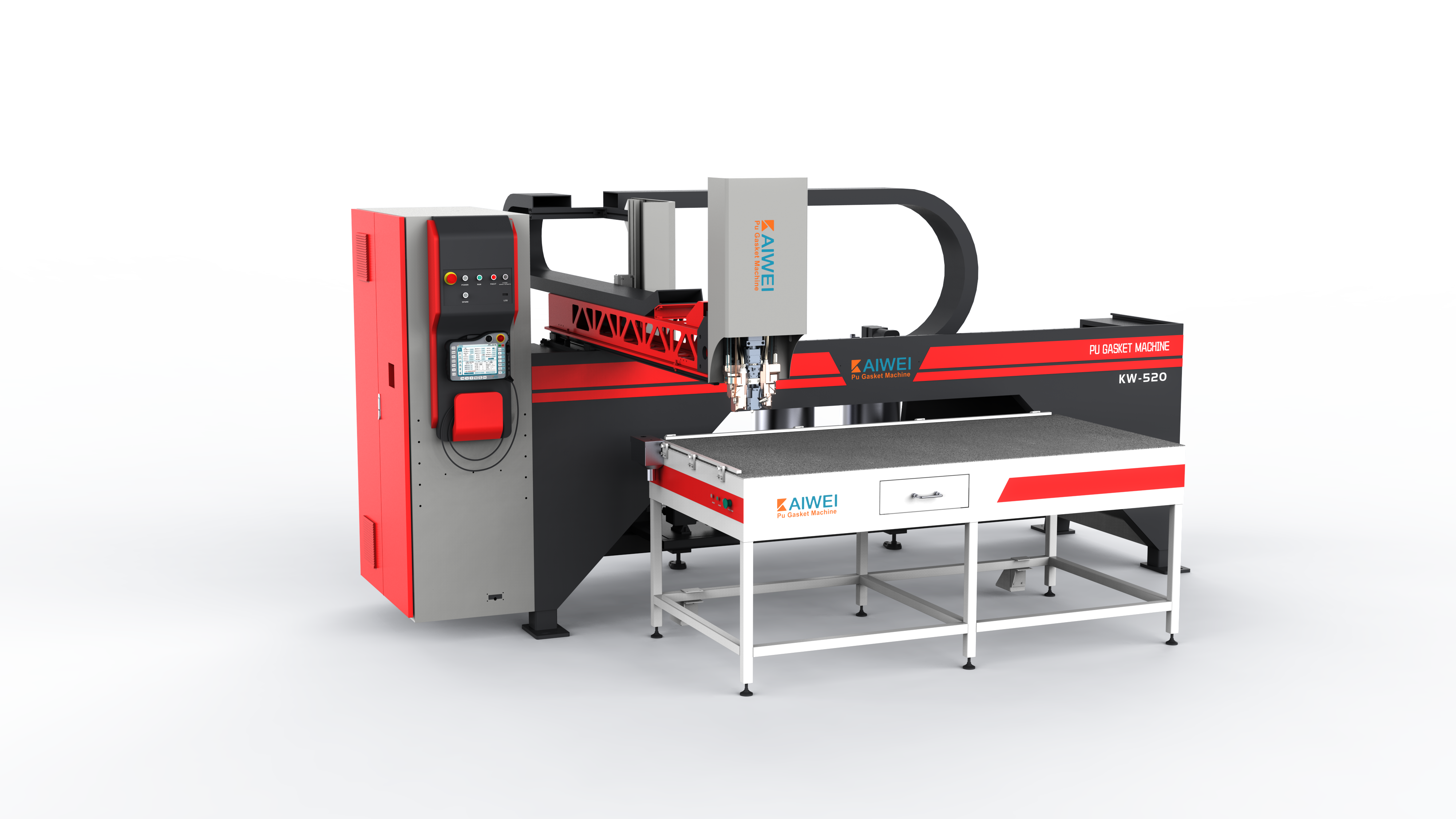
دستگاه چسبزنی درزگیر با کیفیت بالا از جنس پلیاورتان، نوآوری بزرگی در فناوری اتوماتیک درزگذاری محسوب میشود و بهطور خاص برای کاربردهای چسبزنی دقیق در بخشهای مختلف تولید طراحی شده است. این تجهیزات پیشرفته از چسبهای مبتنی بر پلیاورتان استفاده میکنند تا درزهای مقاوم و ضد آب ایجاد کنند که استانداردهای سختگیرانه صنعتی را برآورده میسازند. دستگاه مزبور از سیستمهای پیشرفته موتور سروو بهره میبرد که توزیع یکنواخت و دقیق چسب را تضمین کرده و آن را به ابزاری ضروری در تأسیسات تولید مدرن تبدیل میکند. ساختار محکم آن شامل قطعات فولاد ضدزنگ و اجزای دقیق مهندسیشده است که قابلیت اطمینان بلندمدت و نیاز حداقلی به نگهداری را تضمین میکند. دستگاه چسبزنی درزگیر با کیفیت بالا از طریق سیستم کنترلی کاربرپسندی عمل میکند که به اپراتورها اجازه میدهد الگوهای پیچیده درزگذاری را به راحتی برنامهریزی کنند. مکانیزمهای کنترل دما، ویسکوزیته بهینه چسب را در طول چرخه تولید حفظ میکنند و اعمال یکنواخت آن را مستقل از شرایط محیطی تضمین مینمایند. این تجهیزات از مواد پایه مختلفی از جمله فلز، پلاستیک، شیشه و سطوح کامپوزیتی پشتیبانی میکند و به همین دلیل در کاربردهای متعدد صنعتی انعطافپذیر است. سیستمهای پیشرفته تنظیم فشار، استحکام چسبندگی یکنواختی را فراهم میکنند و از هدررفت چسب با قابلیتهای دقیق اندازهگیری جلوگیری میکنند. طراحی ماژولار دستگاه امکان سفارشیسازی و گسترش آسان را بر اساس نیازهای خاص تولید فراهم میآورد. ویژگیهای ایمنی شامل دکمه توقف اضطراری، سدّهای محافظ و سیستمهای تشخیص خطا به صورت خودکار است که هم اپراتورها و هم تجهیزات را محافظت میکنند. ملاحظات زیستمحیطی از طریق سیستمهای بازیابی چسب کارآمد و رویههای عملیاتی با انتشار کم رعایت شده است. دستگاه چسبزنی درزگیر با کیفیت بالا از طریق پروتکلهای ارتباطی استاندارد و گزینههای نصب انعطافپذیر بهراحتی با خطوط تولید موجود ادغام میشود. ویژگیهای تضمین کیفیت شامل سیستمهای نظارت لحظهای هستند که پارامترهای اعمال چسب را ردیابی کرده و بازخورد فوری درباره یکپارچگی درزها ارائه میدهند. این تجهیزات عملکرد عالی در محیطهای صنعتی پرمخاطره دارند و در عین حال با طراحی کارآمد از نظر مصرف انرژی و کاهش مصرف مواد، عملیات اقتصادی را حفظ میکنند.
 EN
EN