Өзгөчөлүк Субстраттын Көптүктүүлүгү жана Материалдардын Уярчуулугу
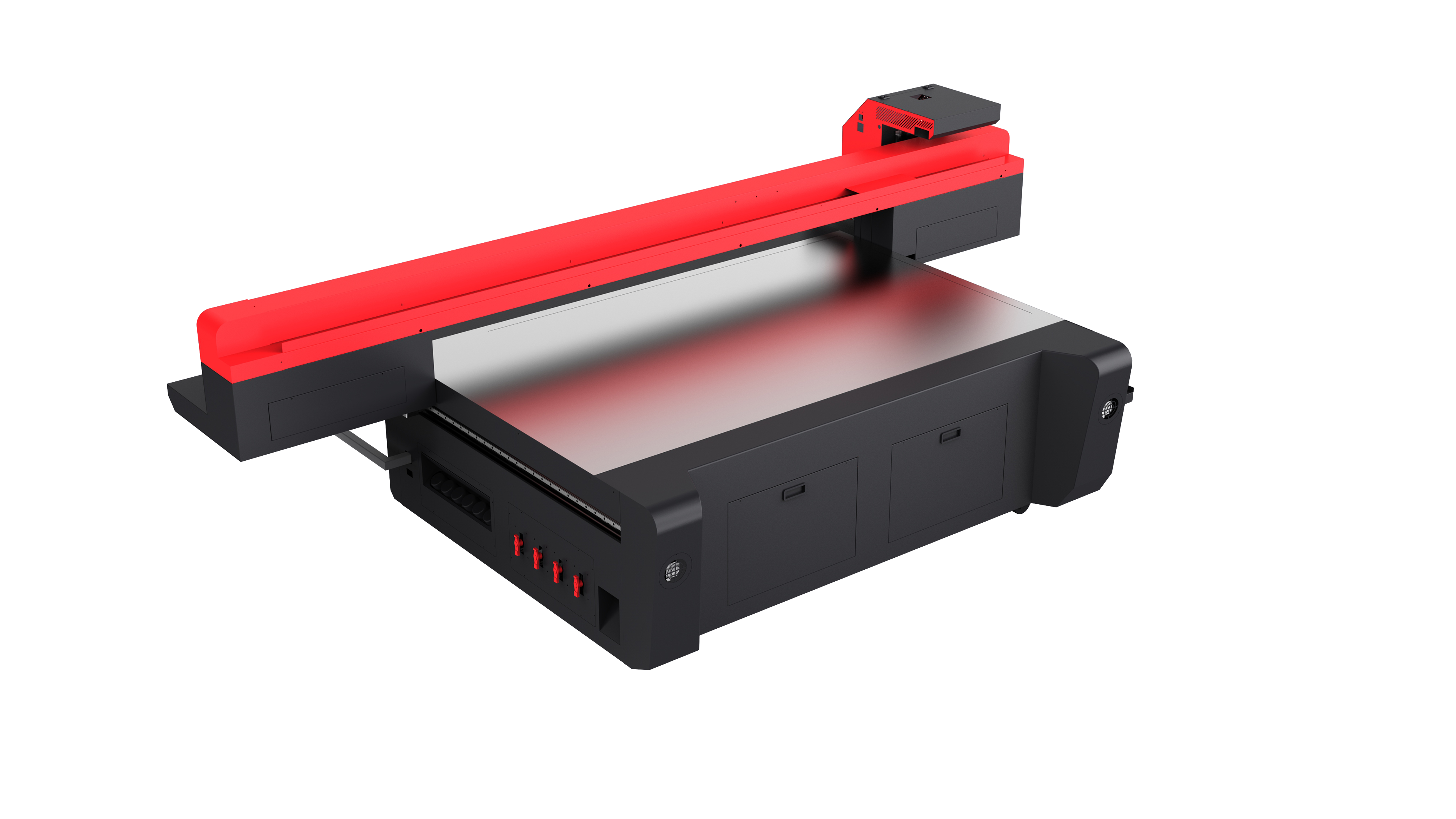
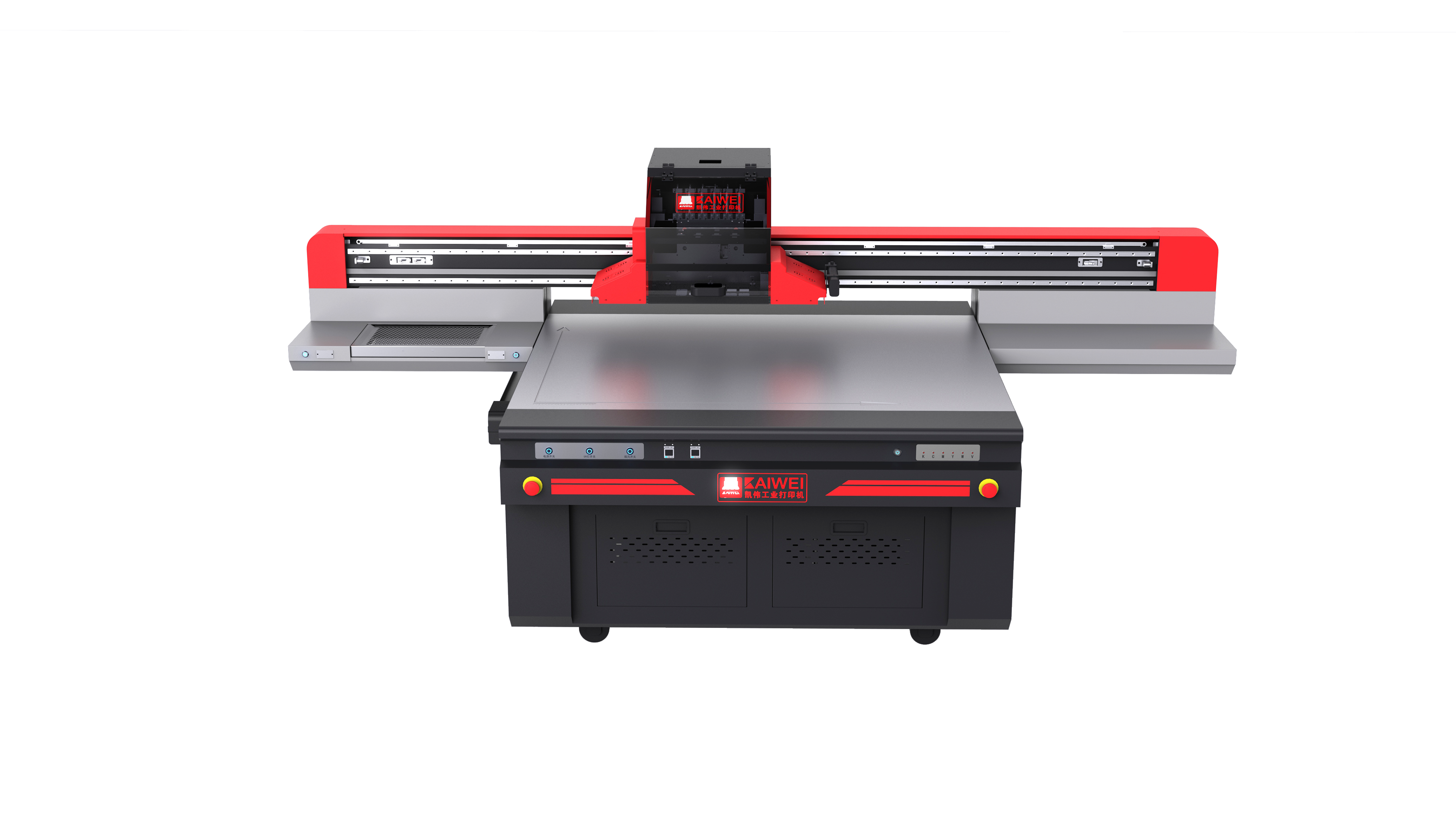
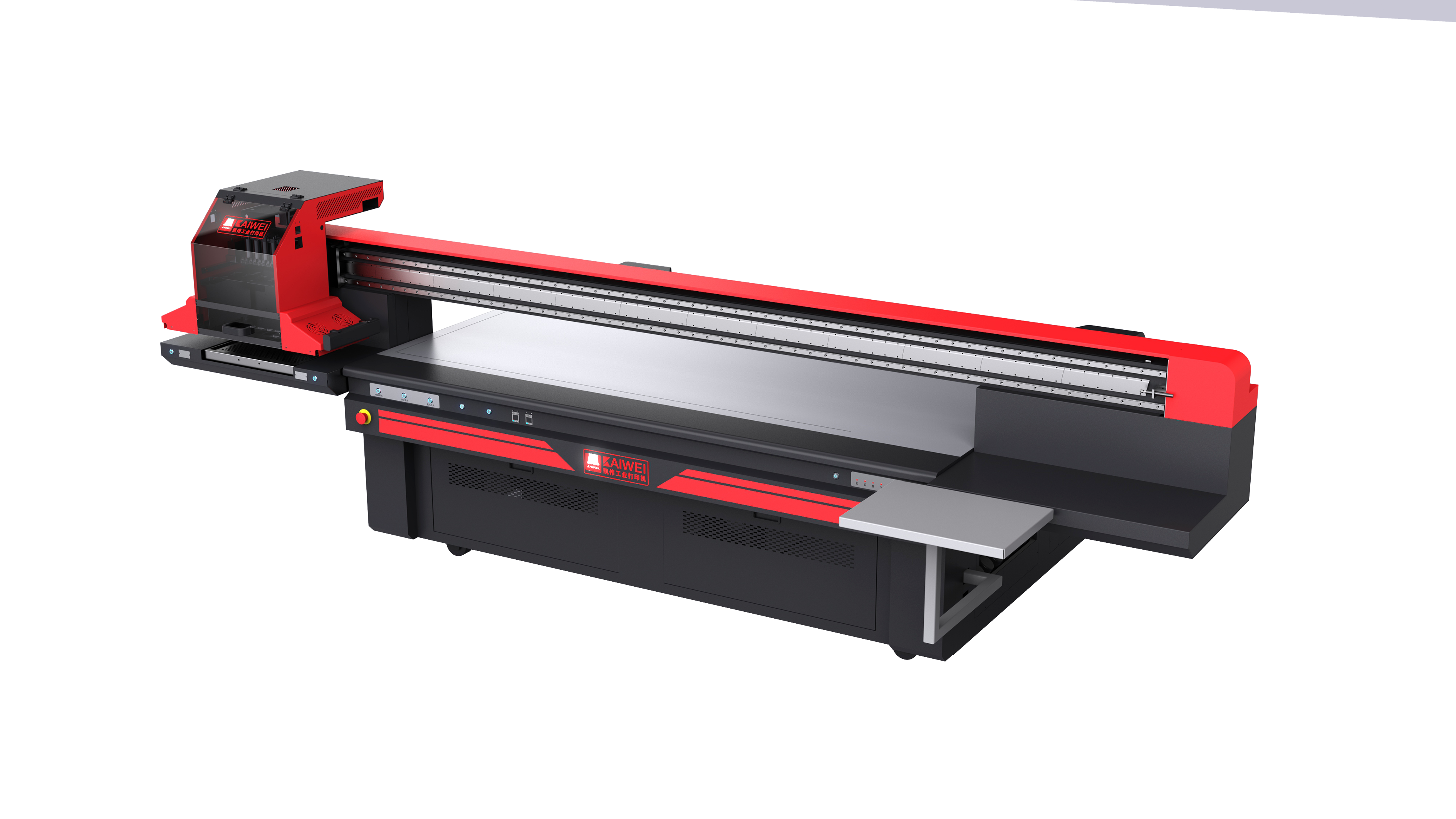
UV цифровдук басып чыгаруу өзүнүн керемет касиети менен салттуу басма технологияларын колдонуп иштетүү мүмкүн эмес же практикалык эмес болгон түрдүү материалдарга туурасынан гана басып чыгарууга мүмкүндүк берет. Бул көптүккө жетүүнүн себеби UV-менен катуулануучу боёктардын өзгөчөлүгү жана жылуулукка байланыштуу материалдардын деформацияланышын жана эриткичти сиңирүү маселесин болгонон жок кылуучу учурда катуулануу процесси болуп саналат. Бул технология традициялык кағаздан жана картондон баштап, ар түрдүй пластиктер, металлор, шыны, керамика, жумушак, материя, жылкы териси жана композиттик материалдарды камтыган ооздон синтездүү материалдарга чейинкиди менен ийгиликтүү иштейт. Бул мүмкүндүк бизнеске техникалык чектөөлөрдүн себеби менен мурда кирүүгө мүмкүнчүлүгү болбогон жаңы рынок бөлүктөрүнө кирип, өздөрүнүн кызмат көрсөтүү чегин кеңейтүүгө мүмкүндүк берет. Жазык UV цифровдук басып чыгаруу системаларын колдонуп, бир нече дюйм калындыктагы катуу материалдарды иштете аласыз, ушунун натыйжасында үч өлчөмдүү обект, образец жана атайын өнөр жай бөлүктөрүн өндүрүүгө мүмкүндүк алынат. Катуулануу процессиндеги жылуулуктун жок болушу жылууга сезимтал материалдарга, мисалы, жылкы терисине, көбүк коридерлерге жана температурага сезимтал пластиктерге акысыз басып чыгарууга мүмкүндүк берет, анткени алардын формасы өзгөрбөйт же продукттын сапатына таасир этпейт. Салттуу боёктарды кабыл албаган поросуз беттер, айрыкча иштетилген металлор, шыны панелдер жана герметиктенген пластиктер UV-боёктарды өзгөчө бекемделиши жана химиялык байланышынын өзгөчөлүгүнө байланыштуу жакшы кабыл алат. Бул совгуштордо, өнөр жай бөлүктөрүндө жана архитектуралык элементтерде кооздоо басмасын жүргүзүүгө мүмкүндүк берген жөнөкөй формадагы эмес объекттерге жана текстурасы ар түрдүү беттерге да тарта алат. Технология кара же түстүү материалдарга базалык катары ак UV боёгу менен басып чыгарууну колдойт, ошентип орамалар, белгилер жана кооздоо колдонулушу үчүн дизайн мүмкүнчүлүктөрүн кеңейтет. Материал жана материяга ылайыктуулугу кийим-кечектерге, холстка жана техникалык материяларга башка цифровдук басма ыкмалары үчүн керек болгон алдын ала даярдоо процесстерин колдонбостон туруктуу басып чыгарууга мүмкүндүк берет. Катууланган UV боёктардын химиялык реагенттерге чыдамдуулугу аларды кыйын химиялык реагенттерге, сыртка чыгышка же көп жолу тазалоого турушун талап кылган колдонулуштар үчүн жарамдуу кылат жана ар түрдүү колдонулуш чөйрөлөрүндө узакка созулган төзүмдүүлүктү камсыз кылат. Бул материалга ылайыктуулук бизнеске бир гана басма платформасынан көптөгөн өнөр жайларга кызмат көрсөтүүгө, жабдыктардын колдонулушун жана инвестицияга кайтууну максималдуу кылууга жана клиенттерге бир булактан толук чечимдерди беришке мүмкүндүк берет.
 EN
EN