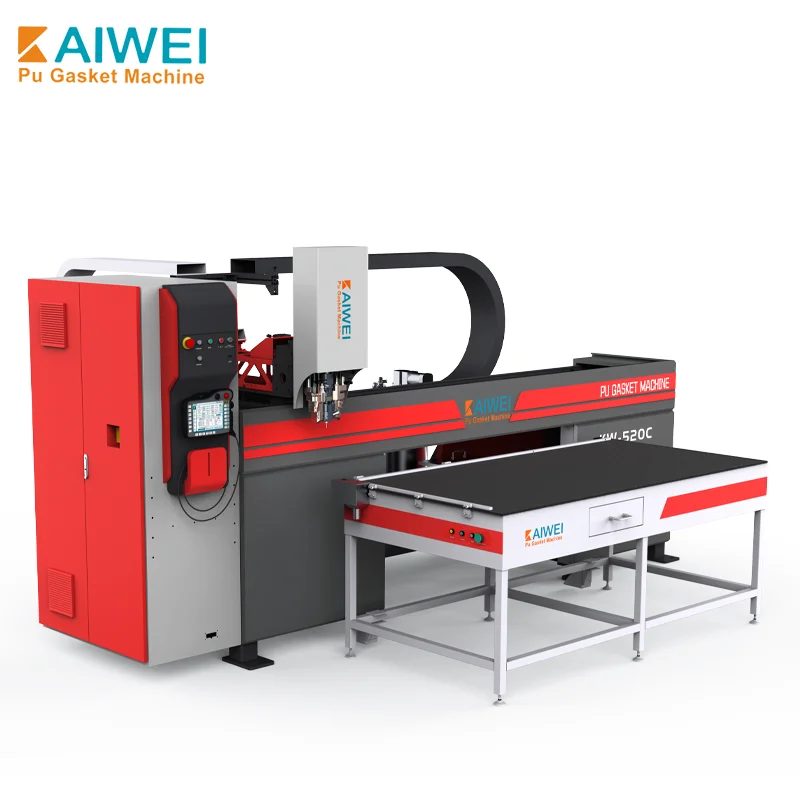
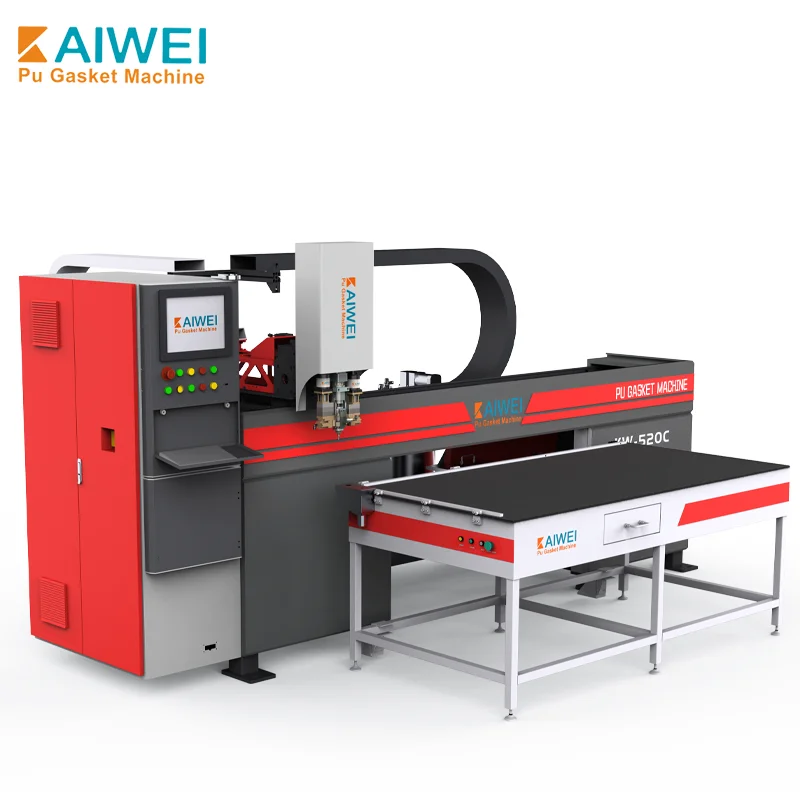
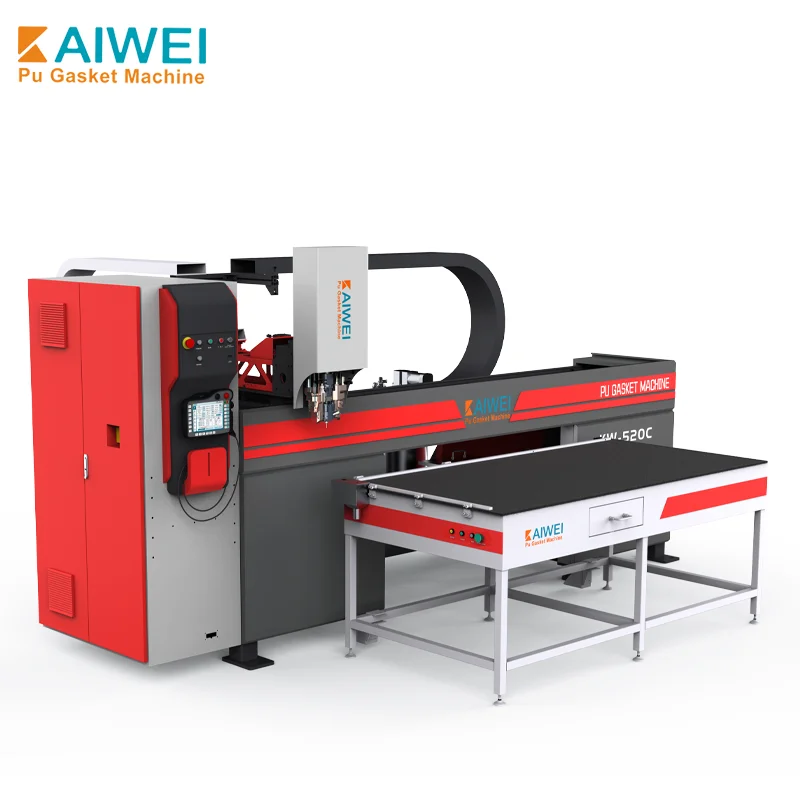
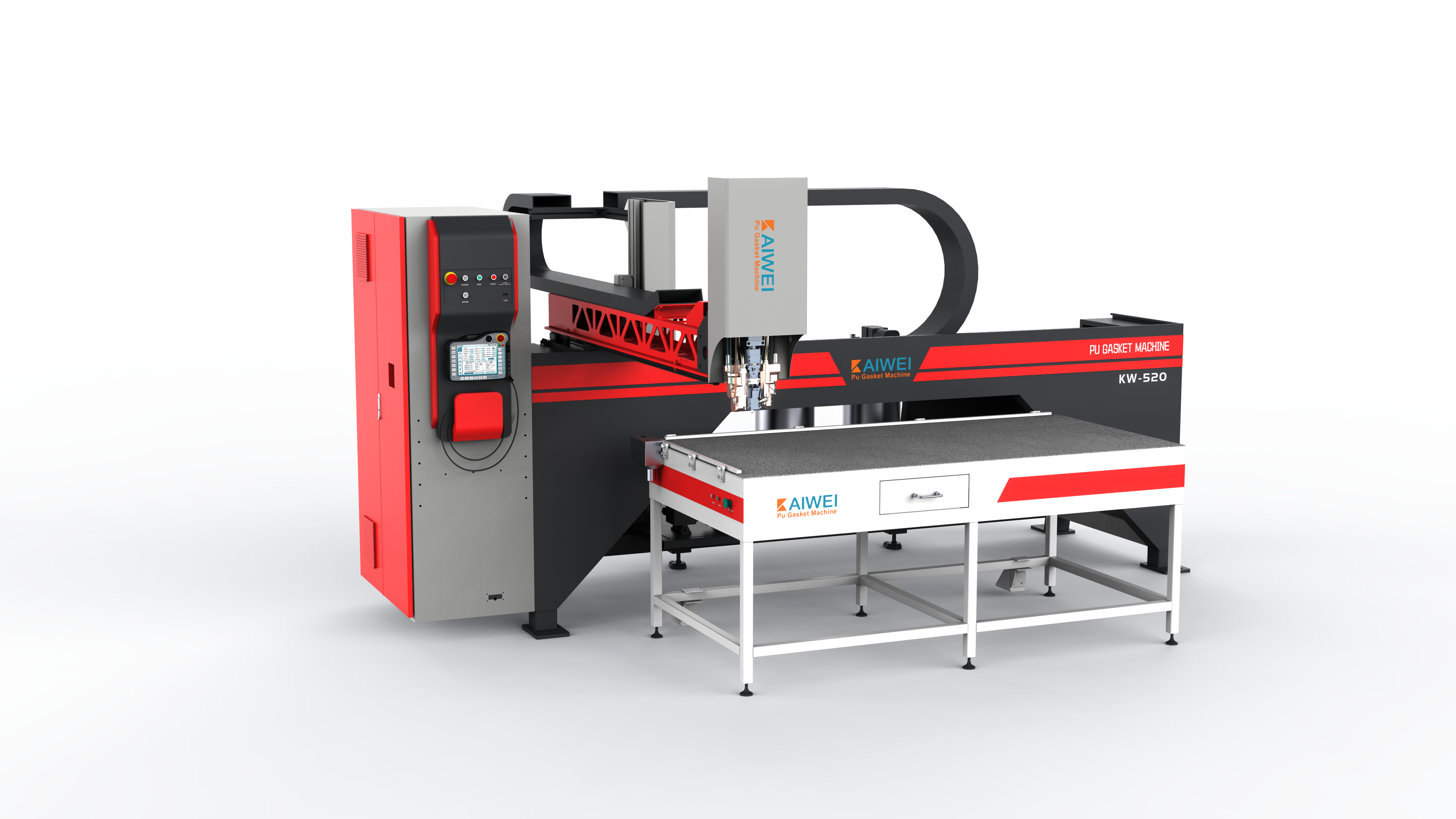
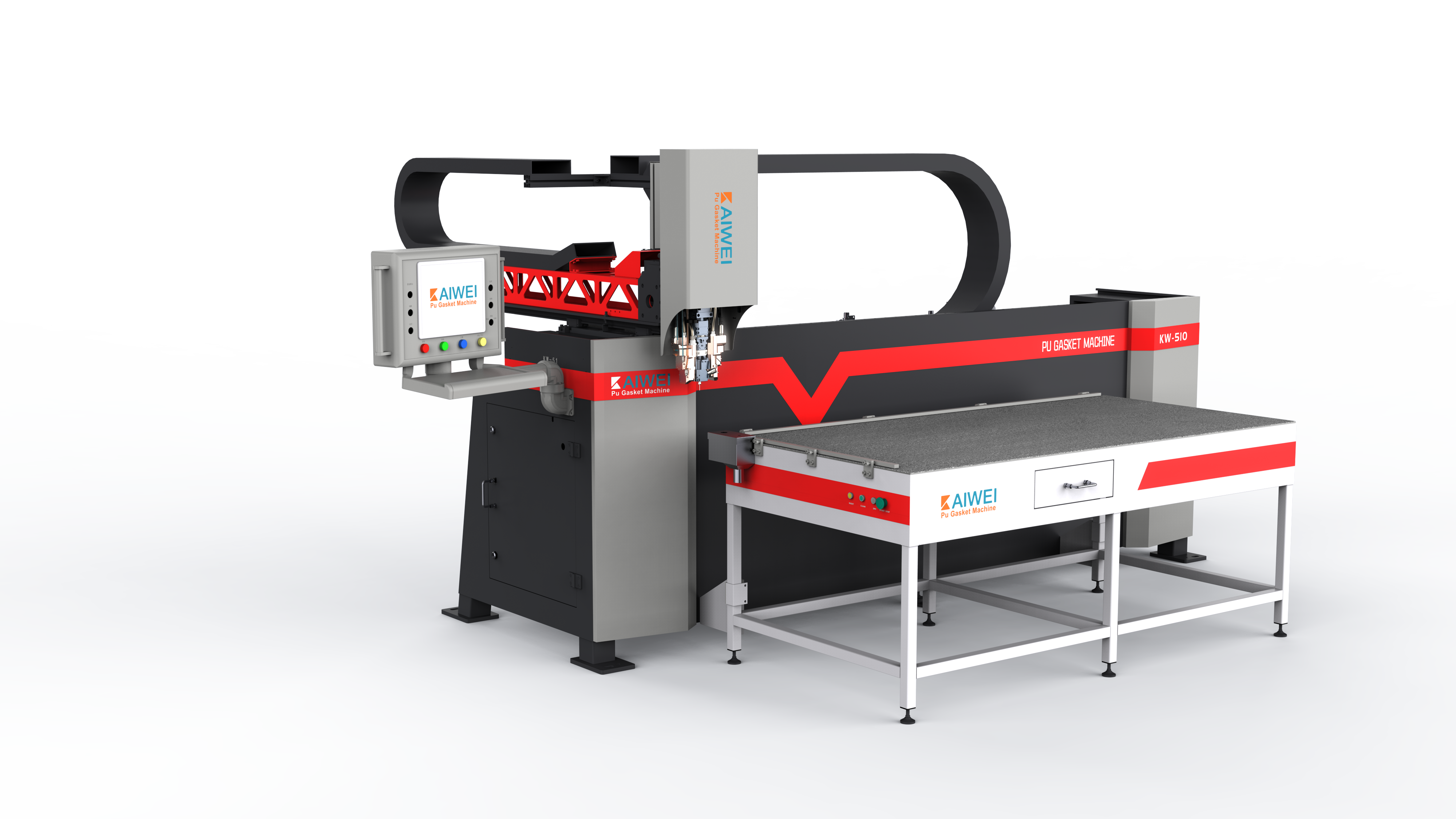
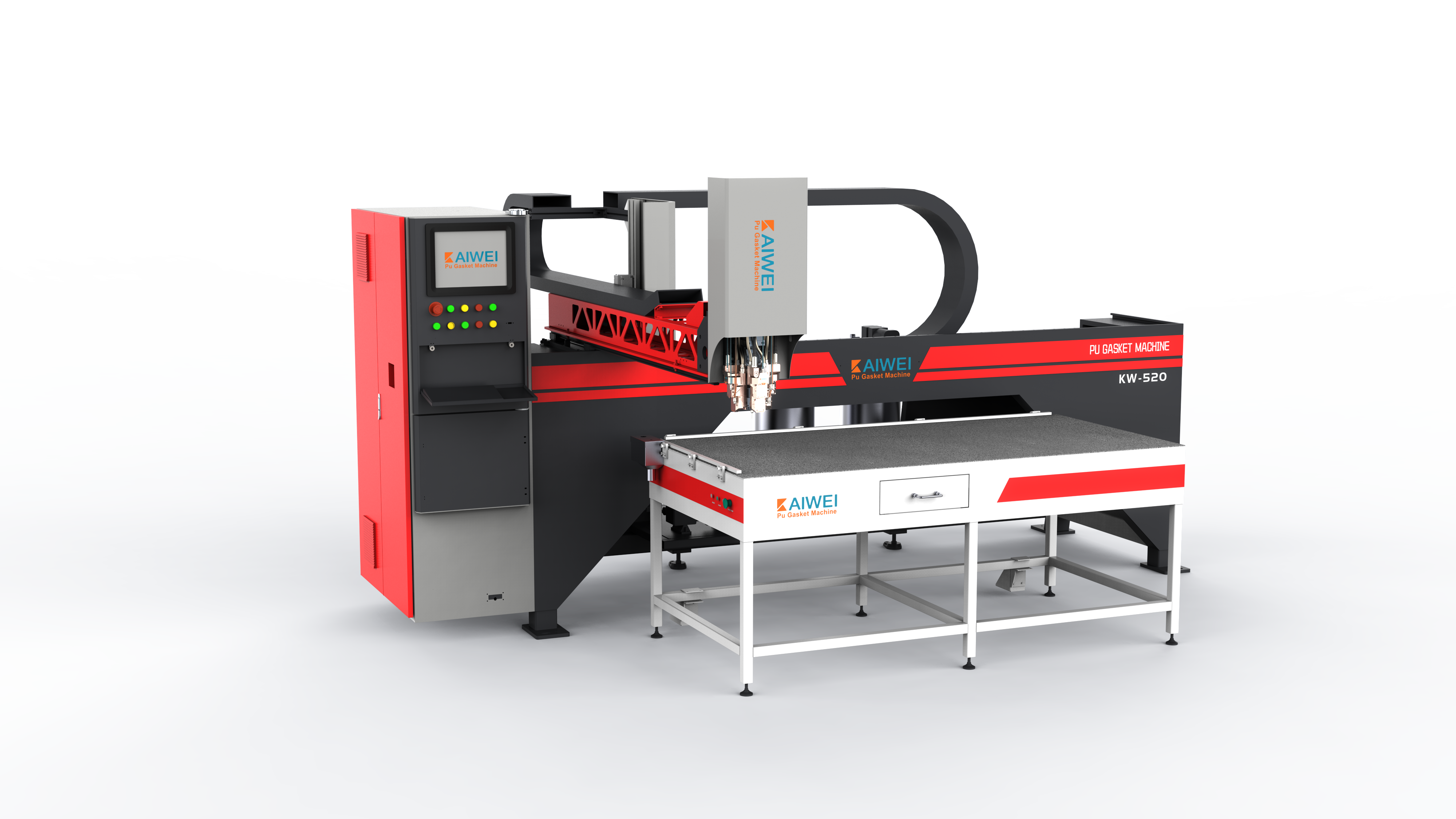
maszyna do pianu typu Batch
Maszyna do pianki partii to zaawansowane rozwiązanie produkcyjne zaprojektowane do wytwarzania wysokiej jakości materiałów piankowych poprzez kontrolowany proces partii. To specjalistyczne urządzenie działa, mieszając dokładne ilości poliolu, izocyjanianu oraz różnych dodatków, aby tworzyć wyroby piankowe poliuretanowe o stałej gęstości i strukturze komórkowej. Maszyna do pianki partii wykorzystuje zaawansowane systemy dawkowania, które zapewniają precyzyjne proporcje chemiczne, co prowadzi do doskonałych właściwości pianki i niezawodnych wyników produkcji. Nowoczesne maszyny do pianki partii są wyposażone w komputerowe panele sterujące, umożliwiające operatorom monitorowanie temperatury, ciśnienia oraz parametrów mieszania w całym cyklu produkcyjnym. Urządzenia te zazwyczaj posiadają głowice mieszające pod wysokim ciśnieniem, które zapewniają dokładne zmieszanie składników chemicznych, umożliwiając jednorodny rozkład pianki oraz optymalne formowanie komórek. Urządzenie obejmuje zbiorniki surowców ze sterowaną temperaturą, utrzymujące optymalną lepkość i reaktywność składników chemicznych. Funkcje bezpieczeństwa, takie jak systemy awaryjnego zatrzymania, sterowanie wentylacją oraz zawory bezpieczeństwa przeciwciśnieniowe, czynią maszynę do pianki partii bezpiecznym rozwiązaniem produkcyjnym. Proces produkcji rozpoczyna się od precyzyjnego dawkowania chemikaliów, po którym następuje szybkie mieszanie oraz natychmiastowe dozowanie do form lub matryc. Możliwości przetwarzania obejmują zarówno małe serie produkcyjne, jak i duże partie komercyjne, co czyni te maszyny odpowiednimi dla różnorodnych wymagań produkcyjnych. Systemy kontroli jakości zintegrowane z maszyną do pianki partii monitorują czas wzrostu pianki, czas żelowania oraz czas suchego kontaktu, zapewniając spójność specyfikacji produktu. Urządzenie obsługuje różne receptury pianek, w tym pianki elastyczne, sztywne i półsztywne poliuretanowe stosowane w wielu branżach. Energiaoszczędne konstrukcje obejmują systemy odzysku ciepła oraz zoptymalizowane mechanizmy mieszania, które redukują zużycie energii przy jednoczesnym zachowaniu jakości produkcji. Protokoły konserwacji maszyn do pianki partii obejmują regularne cykle czyszczenia, inspekcje elementów oraz procedury kalibracji, które wydłużają żywotność urządzenia i zapewniają ciągłą pracę.
 EN
EN