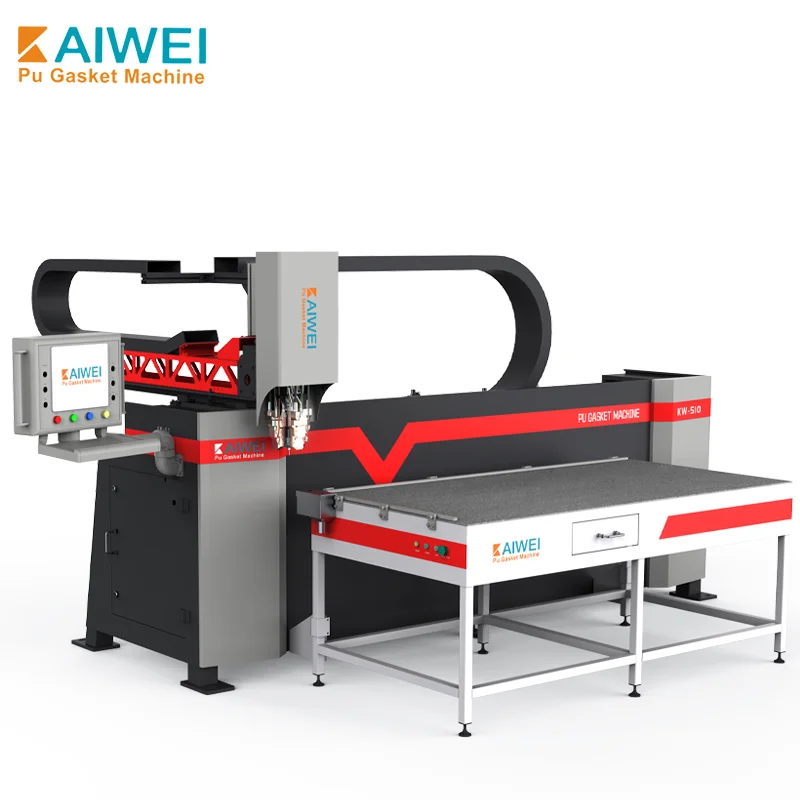
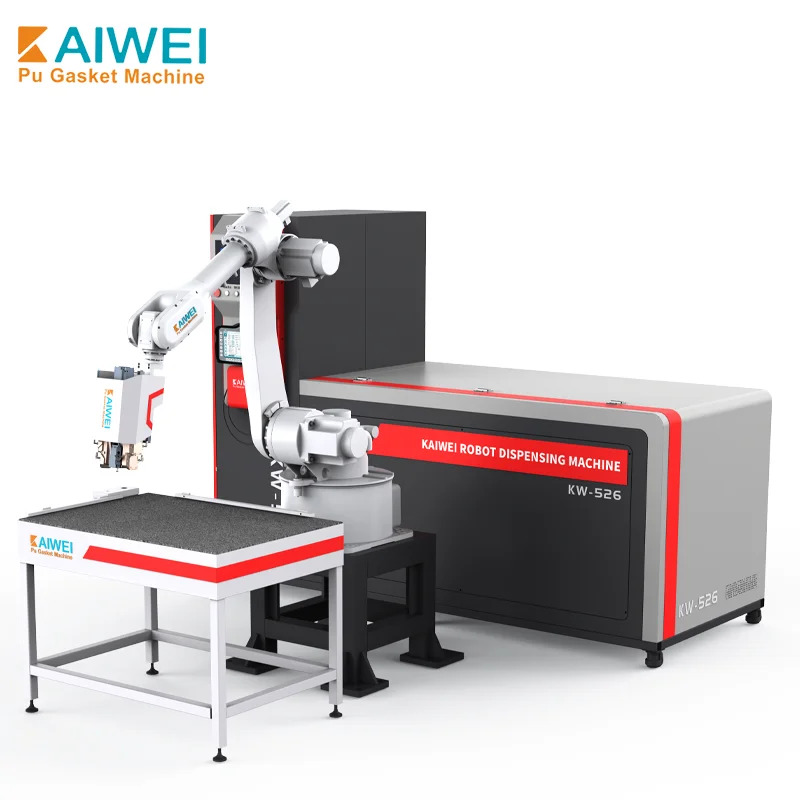
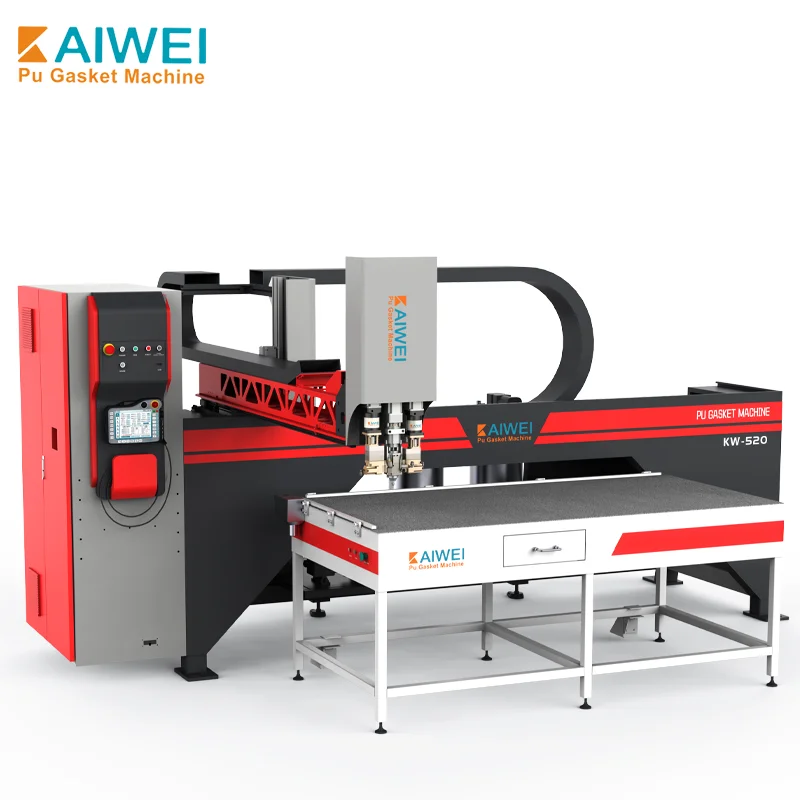
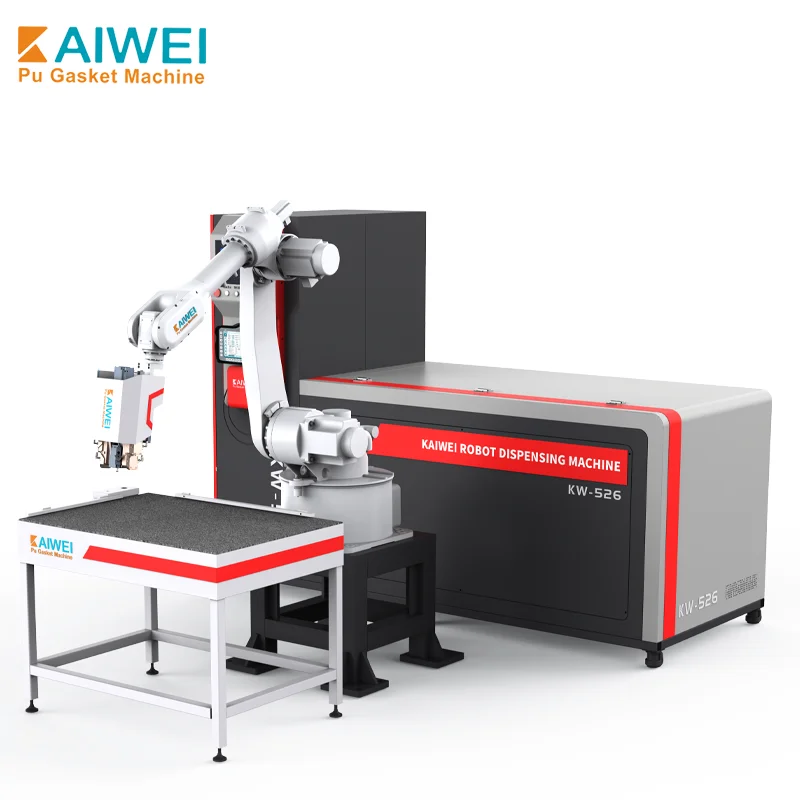
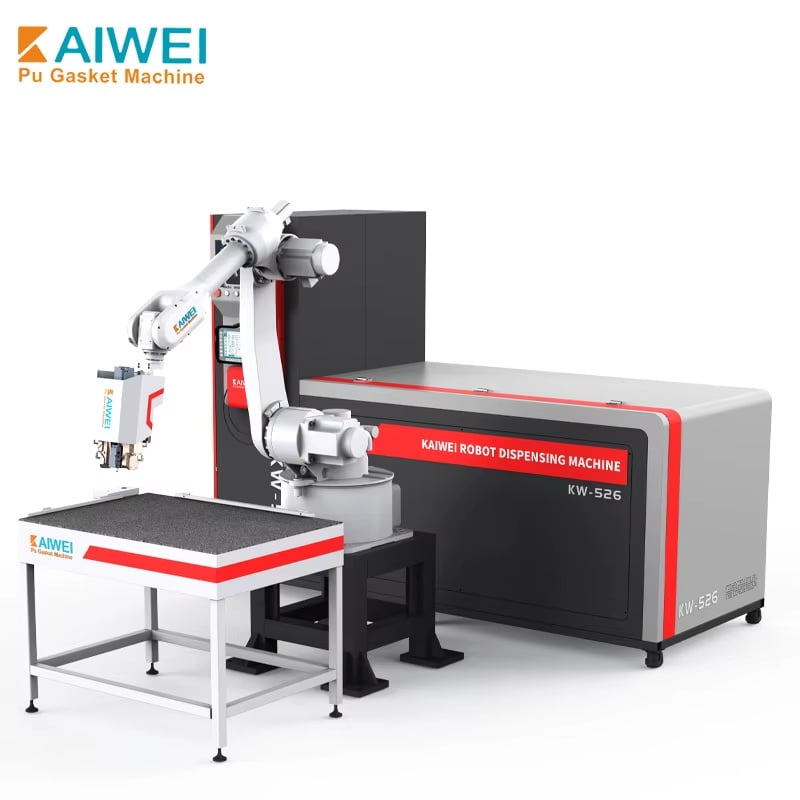
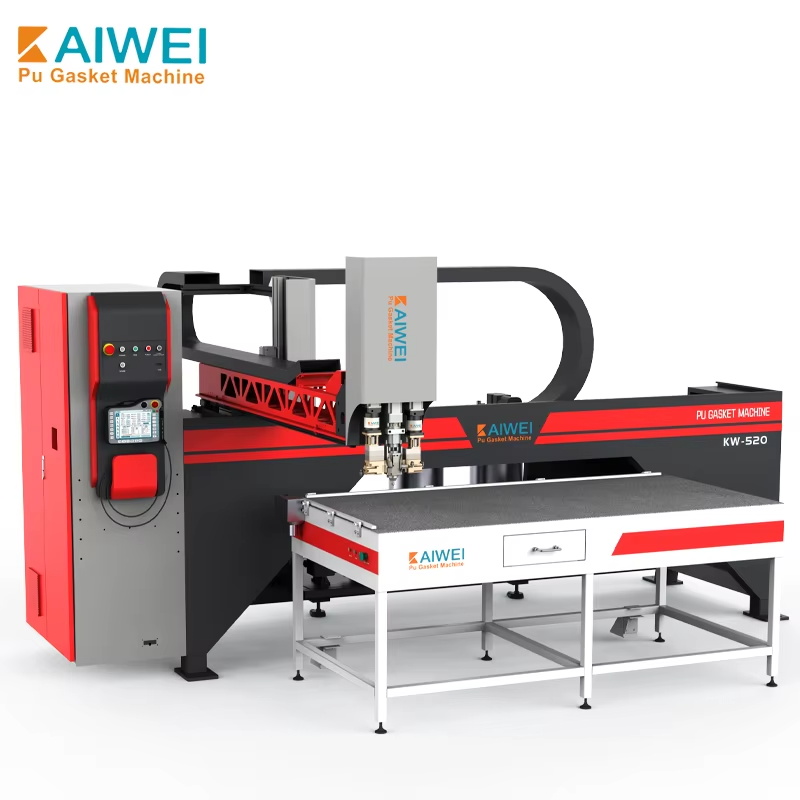
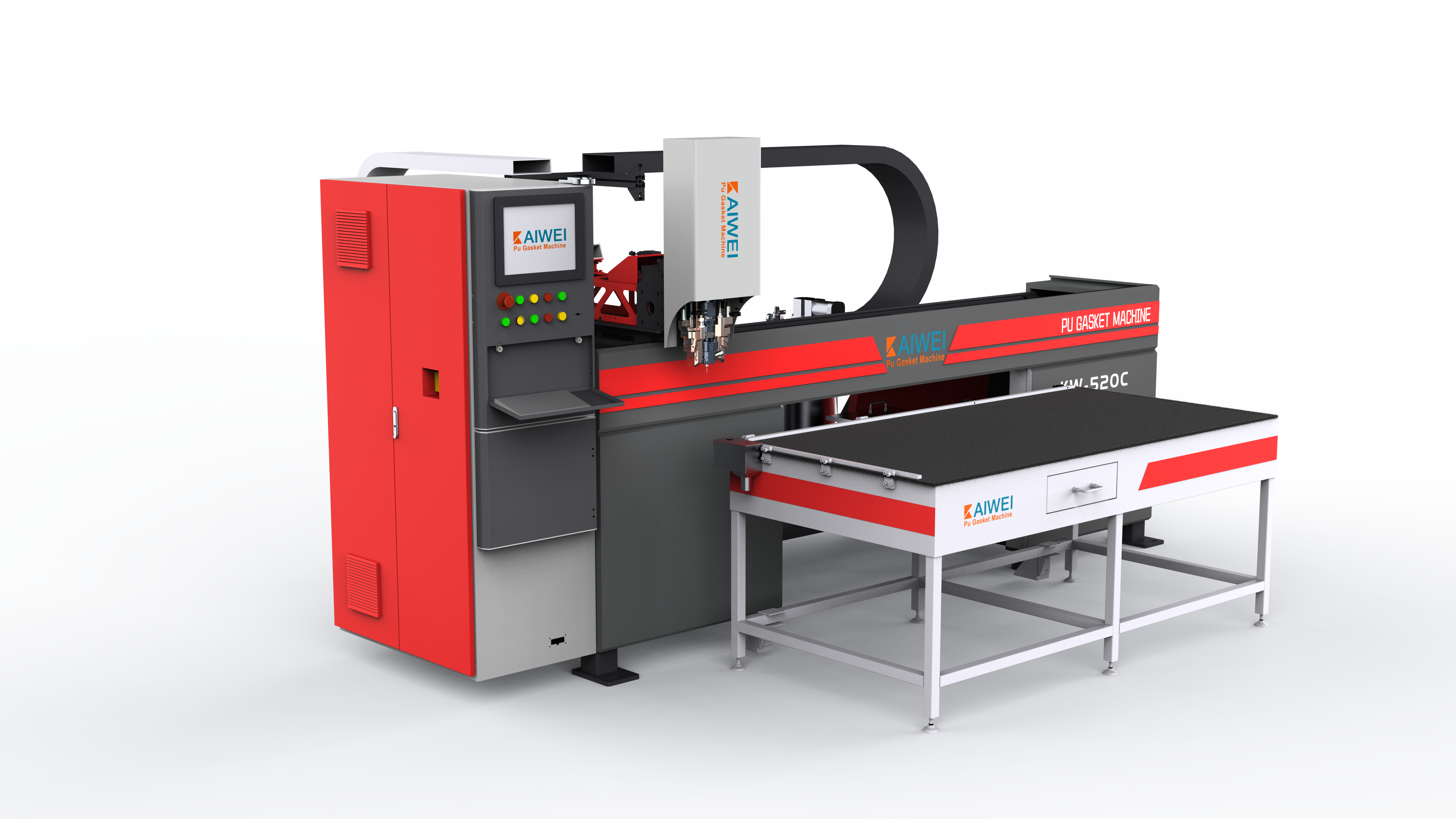
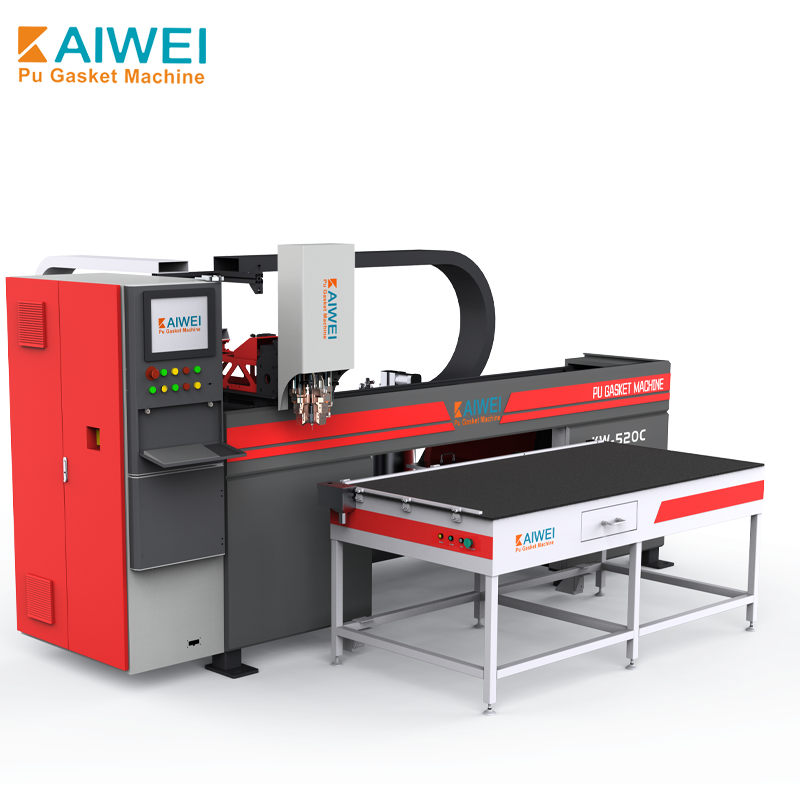
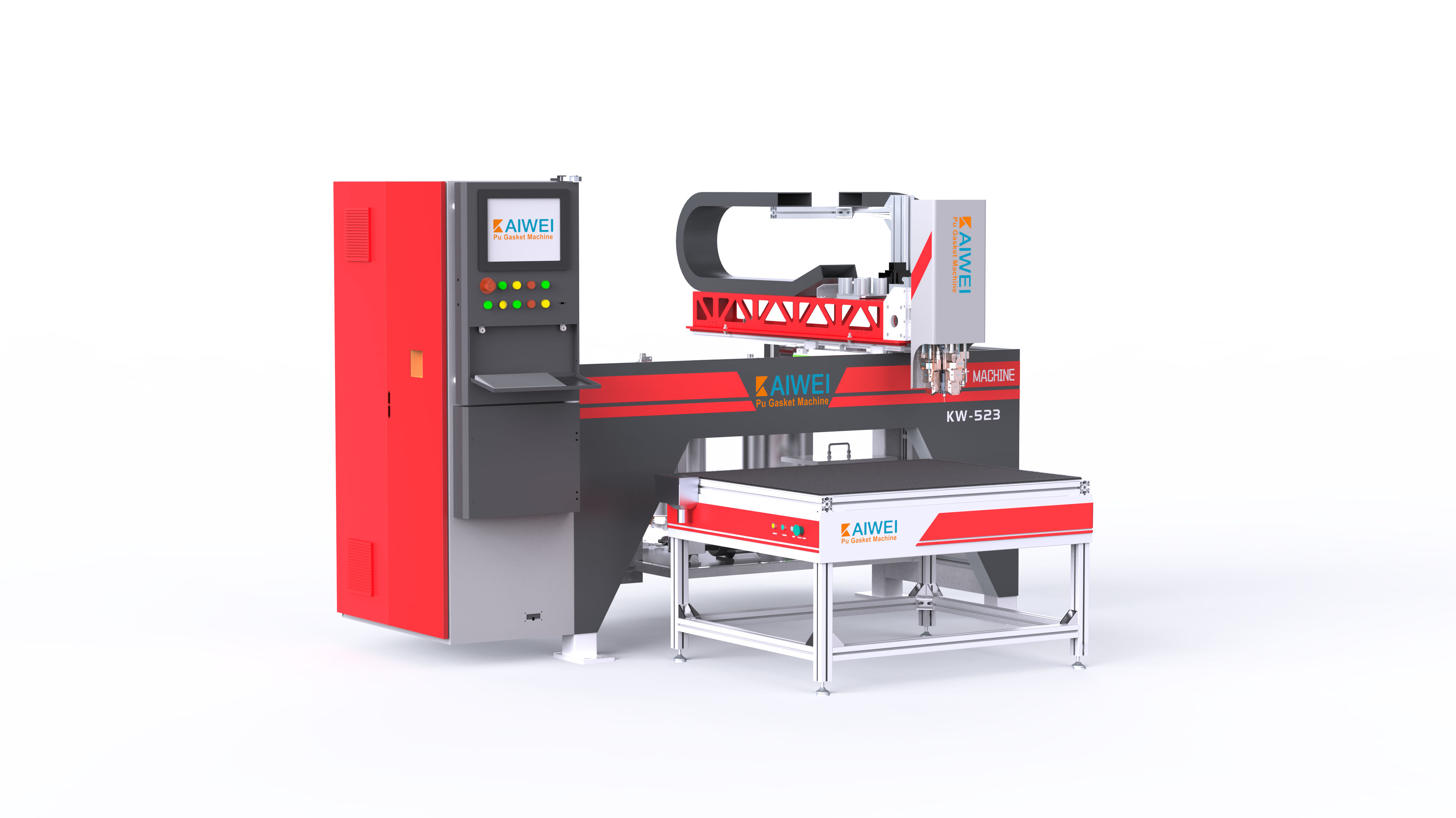
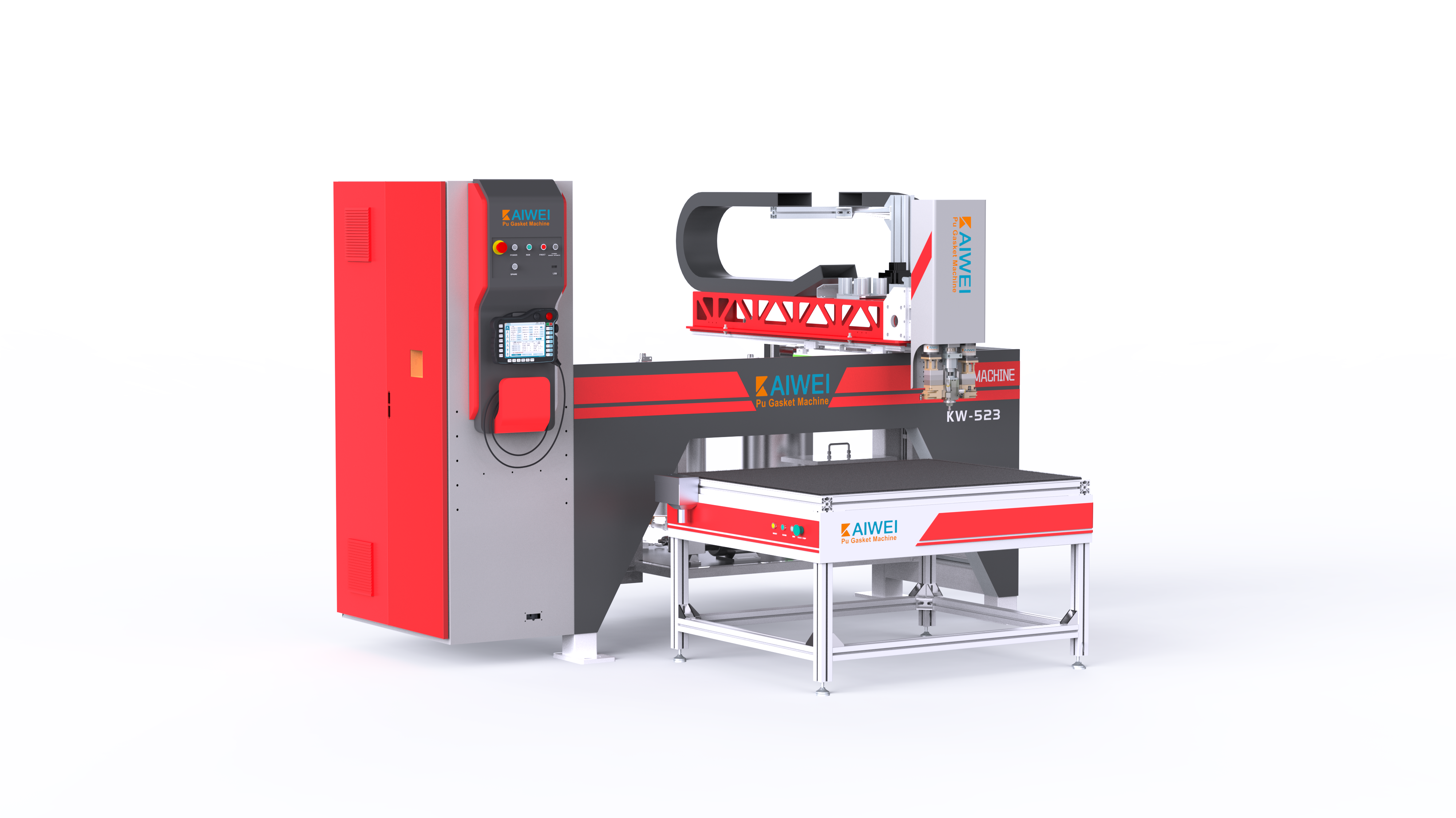
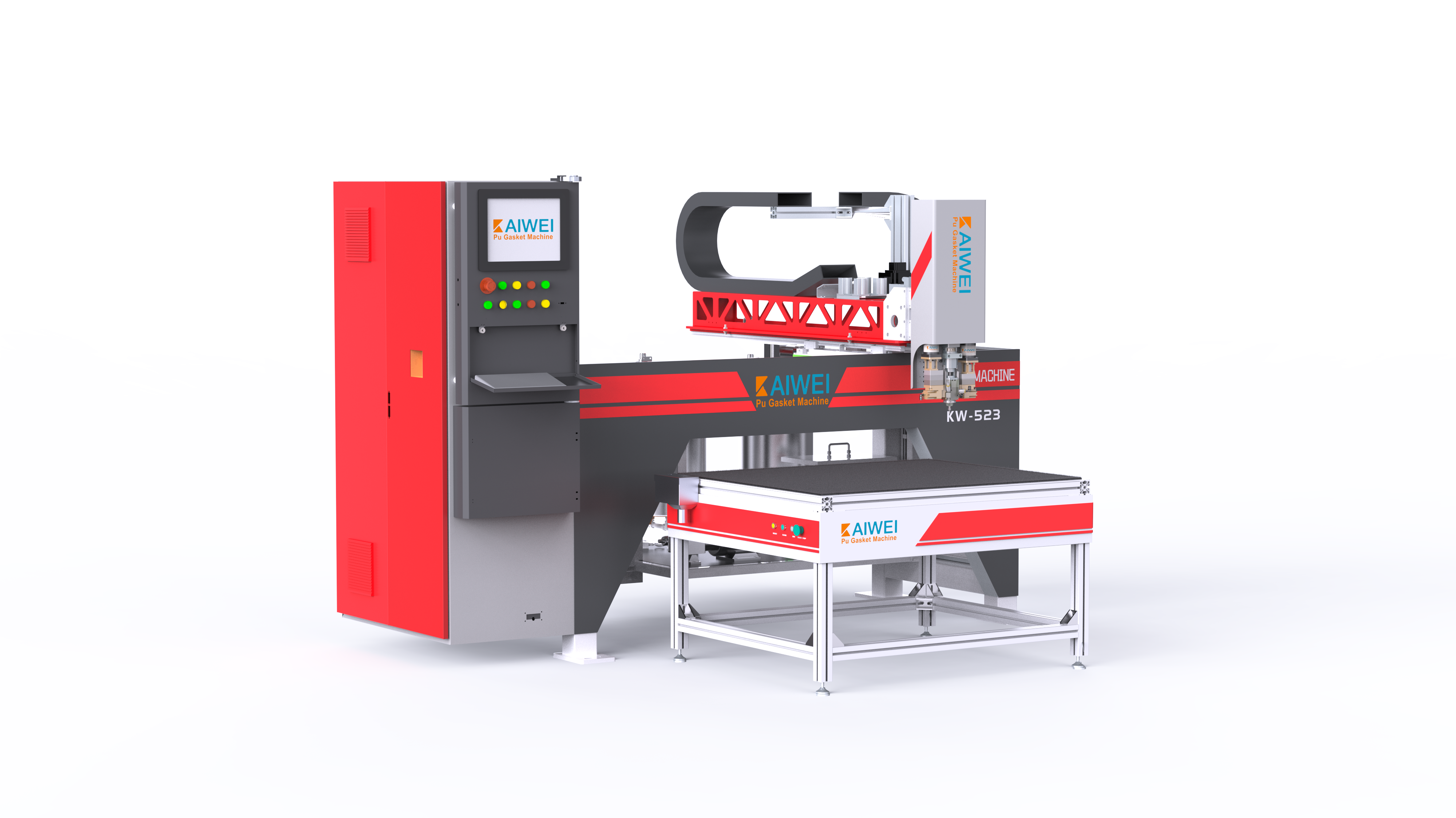
ikki komponentli yopish, bosish va qopqin mashinasini ishlab chiqaruvchi
Ikki komponentli germetik taqsimlash va parda hosil qilish mashinasini ishlab chiqaruvchi kompaniya ikki komponentli parda materiallarini aralashtirish, taqsimlash va juda aniq hamda samarali tarzda qo'llash uchun mo'ljallangan ilg'or sanoat uskunalarni ishlab chiqarishga ixtisoslashgan. Bu murakkab uskunalar odatda poliol va izotsianat bo'lgan alohida kimyoviy komponentlarni birlashtiradi va kengayib, qattiq holatga o'tib, samarali germetik yechimlar hosil qiladigan poliuretan pardani yaratadi. Ikki komponentli germetik taqsimlash va parda hosil qilish mashinasini ishlab chiqaruvchi kompaniyaning asosiy vazifasi chidamli germetik birikmalar hosil qiluvchi reaktiv moddalarning aniq dozalash, mukammal aralashtirish va nazorat ostida taqsimlanishini ta'minlashdan iborat. Zamonaviy uskunalar doimiy parda sifati va ishlash samaradorligini ta'minlovchi harorat, bosim va aralashish nisbatlarini tartibga soluvchi kompyuterlashtirilgan boshqaruv tizimlariga ega. Yetakchi ikki komponentli germetik taqsimlash va parda hosil qilish mashinasini ishlab chiqaruvchi kompaniyalar tomonidan joriy etilgan texnologik xususiyatlarga aniq dozalash nasoslari, avtomatik tozalash tizimlari, dasturiy mantiq boshqaruv qurilmalari va haqiqiy vaqtda nazorat qilish imkoniyatlari kiradi. Ushbu mashinalar mos keladigan kimyoviy reaksiyalar va parda kengayish xususiyatlarini ta'minlash uchun moddalarning optimal haroratini saqlash uchun ilg'or isitish tizimlaridan foydalanadi. Haroratni boshqarish modullari moddalarning kristallanishini oldini oladi va silliq taqsimlash jarayonlari uchun zarur bo'lgan namlik darajasini saqlaydi. Bosimni tartibga solish tizimlari aniq modda yetkazib berishni kafolatlaydi, xavfsizlik blokirovkalari esa operatorlarni reaktiv kimyoviy moddalarga ta'sirdan himoya qiladi. Ikki komponentli germetik taqsimlash va parda hosil qilish mashinasini ishlab chiqaruvchi kompaniyaning uskunalari avtomototsozlik, qurilish, kosmik, dengiz va elektronika ishlab chiqarish sohalarini qamrab oladi. Avtomobil ishlab chiqarishda bu mashinalar suvning kirib ketishini oldini olish va shovqinni kamaytirish uchun eshik ramkalari, derazalar va korpus panellar atrofida parda germetiklarini qo'llaydi. Qurilish sohasidagi qo'llanilishi binolar konvertini, trubalarni izolyatsiyalash joylarini germetiklash va strukturaviy birlashtirishlarda ob-havo sharoitiga chidamli to'siqlar yaratishni o'z ichiga oladi. Kosmik sanoat ishlab chiqaruvchilari kabina siqilishini hermetik qilish va issiqlik izolyatsiyasi sohalarida ushbu tizimlarga tayanadi. Denglavish sohasidagi qo'llanilishi kemalarning butunligi va xavfsizligi uchun muhim bo'lgan qattiq atrof-muhit sharoitlariga chidamli bo'lish talabi bilan burun, paluba suvsizlanishi va bo'limlarni izolyatsiyalashga qaratilgan.
 EN
EN