 EN
EN

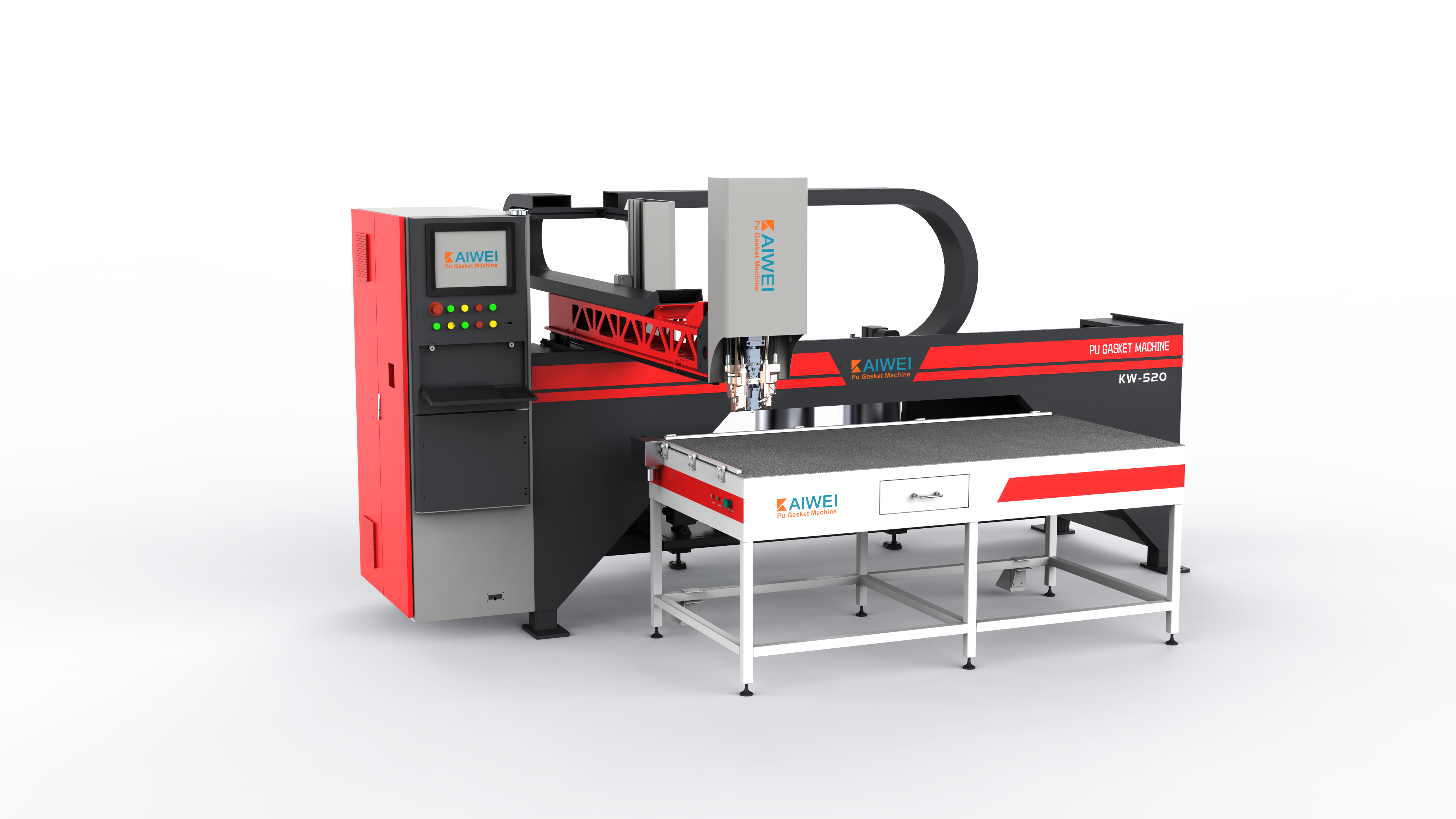
Manufacturing precision and reliability have become paramount concerns for industries requiring superior sealing solutions in their products. Modern production demands call for advanced equipment that can deliver consistent, high-quality results while maintaining operational efficiency. The integration of automated sealing technologies has revolutionized how manufacturers approach gasket application, particularly in electrical panels and electronic enclosures where environmental protection is critical.
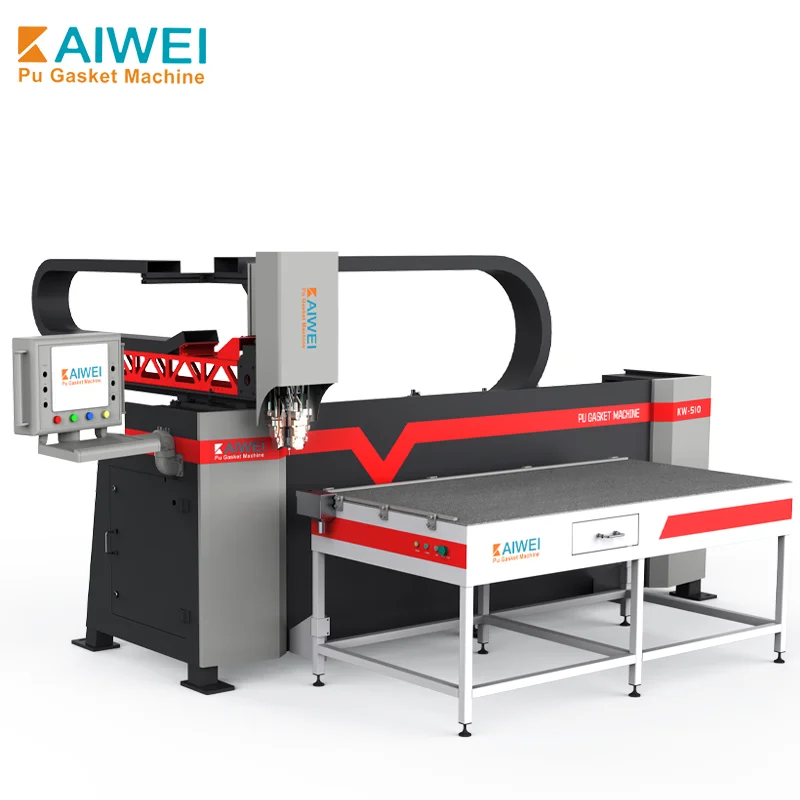
The evolution of sealing technology has brought forth sophisticated machinery capable of applying polyurethane foam gaskets with unprecedented accuracy and speed. These advanced systems represent a significant leap forward from manual application methods, offering manufacturers the ability to achieve consistent sealing quality across large production volumes. The importance of reliable sealing solutions extends across multiple industries, from telecommunications equipment to automotive components, where moisture and dust intrusion can compromise product performance and longevity.
Understanding the technical specifications and capabilities of modern gasketing equipment enables manufacturers to make informed decisions about their production line investments. The selection of appropriate sealing machinery directly impacts product quality, production efficiency, and long-term operational costs. CE certification requirements add another layer of consideration, ensuring that equipment meets stringent European safety and performance standards while providing manufacturers with confidence in their technology choices.
Advanced Technology Features in Modern Gasketing Systems
Precision Control Mechanisms
Contemporary PU gasketing machine designs incorporate sophisticated control systems that enable precise material application across various substrate types and configurations. These systems utilize advanced servo motors and programmable logic controllers to maintain consistent dispensing pressure, flow rate, and application speed throughout the production cycle. The integration of closed-loop feedback systems ensures that any deviations from predetermined parameters are immediately corrected, maintaining optimal sealing quality regardless of environmental conditions or material variations.
The precision achieved through modern control mechanisms extends beyond basic material application to include temperature regulation, mixing ratios, and cure time management. Multi-axis positioning systems allow for complex gasket patterns and three-dimensional sealing applications, accommodating irregular surfaces and intricate component geometries. This level of control precision directly translates to improved product reliability and reduced material waste, making advanced gasketing systems essential for high-volume manufacturing operations.
Material Handling and Processing Capabilities
Advanced gasketing machinery features sophisticated material handling systems designed to maintain polyurethane foam components at optimal conditions throughout the application process. These systems include temperature-controlled storage tanks, automated mixing chambers, and real-time monitoring of material properties to ensure consistent chemical reactions and foam expansion characteristics. The ability to handle multiple material formulations within a single system provides manufacturers with flexibility to address diverse sealing requirements across different product lines.
The processing capabilities of modern systems extend to automated cleaning cycles, material changeover procedures, and waste minimization protocols. Integrated purging systems prevent cross-contamination between different material types while reducing setup times and material losses. These features contribute significantly to overall operational efficiency and help maintain the high-quality standards required for critical sealing applications in various industrial sectors.
Quality Assurance and Certification Standards
CE Certification Requirements and Benefits
CE certification represents a comprehensive evaluation of machinery safety, performance, and electromagnetic compatibility according to European Union standards. For PU gasketing machine manufacturers, achieving CE certification requires extensive documentation, testing, and compliance verification across multiple technical directives. This certification process ensures that equipment meets stringent safety requirements for operator protection, environmental considerations, and electromagnetic interference limitations that could affect sensitive electronic components.
The benefits of CE certification extend beyond regulatory compliance to include enhanced market acceptance, improved customer confidence, and reduced liability concerns for both manufacturers and end users. Certified equipment typically incorporates advanced safety features, emergency shutdown systems, and comprehensive operator protection measures that contribute to safer working environments and reduced insurance costs. The certification process also validates the technical specifications and performance claims made by manufacturers, providing buyers with assurance regarding equipment capabilities and reliability.
Quality Control Integration Systems
Modern gasketing systems incorporate integrated quality control features that monitor and document sealing parameters throughout the production process. These systems utilize vision inspection technology, pressure sensors, and material flow meters to detect any deviations from established quality standards in real-time. Automated rejection systems can remove non-conforming parts from the production line while generating detailed reports for quality assurance documentation and process improvement initiatives.
The integration of statistical process control capabilities enables manufacturers to track long-term trends, identify potential issues before they affect product quality, and optimize process parameters for maximum efficiency. Data logging and reporting features provide comprehensive documentation for regulatory compliance, customer audits, and internal quality management systems. This level of quality integration ensures that every sealed component meets specified requirements while maintaining detailed traceability throughout the manufacturing process.
Industrial Applications and Market Sectors
Electrical Panel and Enclosure Manufacturing
The electrical panel manufacturing sector represents one of the most demanding applications for precision sealing technology, where environmental protection ratings directly impact product performance and safety certifications. A high-quality PU gasketing machine enables manufacturers to achieve consistent IP ratings across their product lines while maintaining efficient production schedules. The ability to apply uniform gasket beads around complex panel geometries ensures reliable protection against moisture, dust, and other environmental contaminants that could compromise electrical system functionality.
Advanced sealing systems accommodate the diverse range of panel sizes and configurations found in modern electrical equipment, from compact control boxes to large industrial switchgear assemblies. The flexibility to adjust gasket thickness, density, and application patterns allows manufacturers to optimize sealing performance for specific environmental conditions and installation requirements. This adaptability proves essential for companies serving multiple market segments with varying protection specifications and regulatory requirements.
Automotive and Transportation Applications
The automotive industry demands exceptional sealing reliability due to the harsh operating environments encountered by vehicle components throughout their service life. PU gasketing machine applications in automotive manufacturing include electronic control modules, lighting assemblies, and various under-hood components where exposure to temperature extremes, vibration, and chemical contaminants requires superior sealing performance. The automotive sector's emphasis on quality, durability, and cost-effectiveness drives the need for automated sealing solutions that can maintain consistent results across high-volume production runs.
Transportation applications extend beyond traditional automotive markets to include marine electronics, aerospace components, and rail system equipment where sealing integrity directly impacts safety and operational reliability. The ability of advanced gasketing systems to accommodate various substrate materials, surface textures, and geometric configurations makes them suitable for diverse transportation sector applications. Long-term reliability testing and validation procedures ensure that sealed components can withstand the demanding service conditions encountered in transportation environments.
Operational Efficiency and Cost Considerations
Production Speed and Throughput Optimization
Modern PU gasketing machine designs prioritize production efficiency through optimized cycle times, reduced setup requirements, and automated operation sequences. High-speed dispensing systems can complete complex gasket patterns in seconds while maintaining precise material placement and consistent bead characteristics. The integration of multi-head dispensing systems enables simultaneous processing of multiple components, significantly increasing overall throughput capacity for high-volume manufacturing operations.
Throughput optimization extends beyond raw speed to include factors such as material utilization efficiency, changeover time reduction, and integrated quality control that eliminates the need for separate inspection processes. Advanced scheduling and batching capabilities allow manufacturers to optimize production sequences, minimize material waste, and reduce energy consumption while maintaining consistent quality standards. These efficiency improvements directly translate to reduced per-unit costs and improved competitive positioning in price-sensitive market segments.
Maintenance and Operational Cost Management
The total cost of ownership for gasketing equipment encompasses initial purchase price, installation costs, ongoing maintenance requirements, and operational consumables throughout the system's service life. Modern PU gasketing machine designs incorporate predictive maintenance features that monitor component wear, fluid levels, and system performance parameters to optimize maintenance scheduling and prevent unexpected downtime. Self-diagnostic capabilities identify potential issues before they affect production, enabling proactive maintenance that minimizes disruption to manufacturing operations.
Operational cost management benefits from energy-efficient system designs, reduced material waste, and simplified maintenance procedures that minimize the need for specialized technical support. Standardized component designs and readily available spare parts contribute to lower maintenance costs and reduced inventory requirements. The integration of remote monitoring capabilities enables manufacturers to optimize system performance and receive technical support without the need for on-site service visits, further reducing operational costs and improving system availability.
Technical Specifications and Performance Metrics
Dispensing Accuracy and Repeatability
The technical performance of PU gasketing machine systems is measured through precise dispensing accuracy, pattern repeatability, and material consistency parameters that directly impact sealing effectiveness. Advanced systems achieve dispensing accuracies within ±2% of target volumes while maintaining positional tolerances of ±0.1mm across complex gasket patterns. This level of precision ensures consistent sealing performance across all manufactured components while minimizing material waste and reducing the risk of seal failure in service applications.
Repeatability performance encompasses not only dimensional accuracy but also material properties such as foam density, cure characteristics, and adhesion strength. Statistical process control data demonstrates the capability of advanced systems to maintain these critical parameters within tight tolerances across extended production runs. Long-term stability testing validates the continued accuracy of dispensing systems under various operating conditions and material formulations, ensuring reliable performance throughout the equipment's service life.
Environmental Operating Parameters
Modern gasketing systems are designed to operate reliably across a wide range of environmental conditions, accommodating temperature variations, humidity fluctuations, and atmospheric pressure changes that could affect material properties and dispensing characteristics. Environmental control systems maintain optimal conditions for polyurethane foam processing while compensating for external variations that might otherwise impact product quality. The ability to operate in diverse industrial environments makes these systems suitable for global manufacturing operations with varying climate conditions.
Operating parameter specifications include temperature ranges from 15°C to 35°C, relative humidity tolerance up to 80%, and altitude compensation for facilities located at various elevations. Environmental monitoring systems continuously track conditions and automatically adjust processing parameters to maintain optimal sealing quality regardless of external variations. This environmental adaptability ensures consistent product quality and reduces the need for climate-controlled manufacturing environments, contributing to lower facility operational costs.
Future Developments and Industry Trends
Automation Integration and Industry 4.0 Connectivity
The evolution toward Industry 4.0 manufacturing principles drives the development of PU gasketing machine systems with enhanced connectivity, data analytics capabilities, and integration with broader manufacturing execution systems. Advanced connectivity features enable real-time production monitoring, predictive maintenance scheduling, and quality trend analysis that supports continuous improvement initiatives. The integration of artificial intelligence and machine learning algorithms enhances process optimization and enables adaptive control responses to changing production requirements.
Future automation developments focus on reducing human intervention requirements while increasing system flexibility and responsiveness to production demands. Collaborative robot integration enables automated part handling and positioning, while vision guidance systems adapt to component variations without manual programming adjustments. These advances support lean manufacturing principles and enable rapid response to changing customer requirements while maintaining the high-quality standards essential for critical sealing applications.
Sustainable Manufacturing and Environmental Considerations
Environmental sustainability considerations increasingly influence the design and operation of industrial gasketing systems, driving developments in material efficiency, energy consumption reduction, and waste minimization. Advanced PU gasketing machine designs incorporate eco-friendly material formulations, closed-loop recycling systems, and energy recovery technologies that reduce the environmental impact of sealing operations. The development of bio-based polyurethane formulations opens new possibilities for sustainable sealing solutions without compromising performance requirements.
Regulatory trends toward carbon footprint reduction and circular economy principles encourage the adoption of equipment designs that support material reuse, energy efficiency, and extended service life. Lifecycle assessment considerations influence equipment selection decisions as manufacturers seek to minimize their environmental impact while maintaining competitive production costs. These sustainability trends drive innovation in both equipment design and material technology, creating opportunities for manufacturers to achieve environmental objectives while improving operational efficiency.
FAQ
What are the key advantages of using automated PU gasketing machines over manual sealing methods
Automated PU gasketing systems offer significant advantages including consistent sealing quality, increased production speed, reduced material waste, and improved operator safety. These systems eliminate human variability in gasket application while providing precise control over material flow rates, dispensing patterns, and cure conditions. The automation also enables integration with quality control systems and production monitoring, supporting lean manufacturing principles and continuous improvement initiatives.
How does CE certification impact the selection and operation of gasketing equipment
CE certification ensures that gasketing equipment meets European Union safety, performance, and electromagnetic compatibility standards, providing manufacturers with confidence in equipment reliability and regulatory compliance. Certified equipment typically includes enhanced safety features, comprehensive operator protection, and documented performance validation that supports quality management systems. The certification also facilitates international market access and reduces potential liability concerns for equipment users.
What maintenance requirements are typical for advanced PU gasketing systems
Modern PU gasketing systems require routine maintenance including cleaning cycles, component inspection, and calibration verification to maintain optimal performance. Predictive maintenance features monitor system parameters and component wear to optimize maintenance scheduling and prevent unexpected downtime. Regular maintenance tasks include material system cleaning, dispensing head inspection, and accuracy verification, with most systems designed for easy access and simplified maintenance procedures.
How do environmental conditions affect the performance of polyurethane foam sealing operations
Environmental factors such as temperature, humidity, and atmospheric pressure can significantly impact polyurethane foam processing and cure characteristics. Advanced gasketing systems include environmental compensation features that adjust processing parameters automatically to maintain consistent sealing quality regardless of external conditions. Proper environmental control and monitoring ensure optimal foam expansion, adhesion properties, and cure times that are critical for reliable sealing performance.
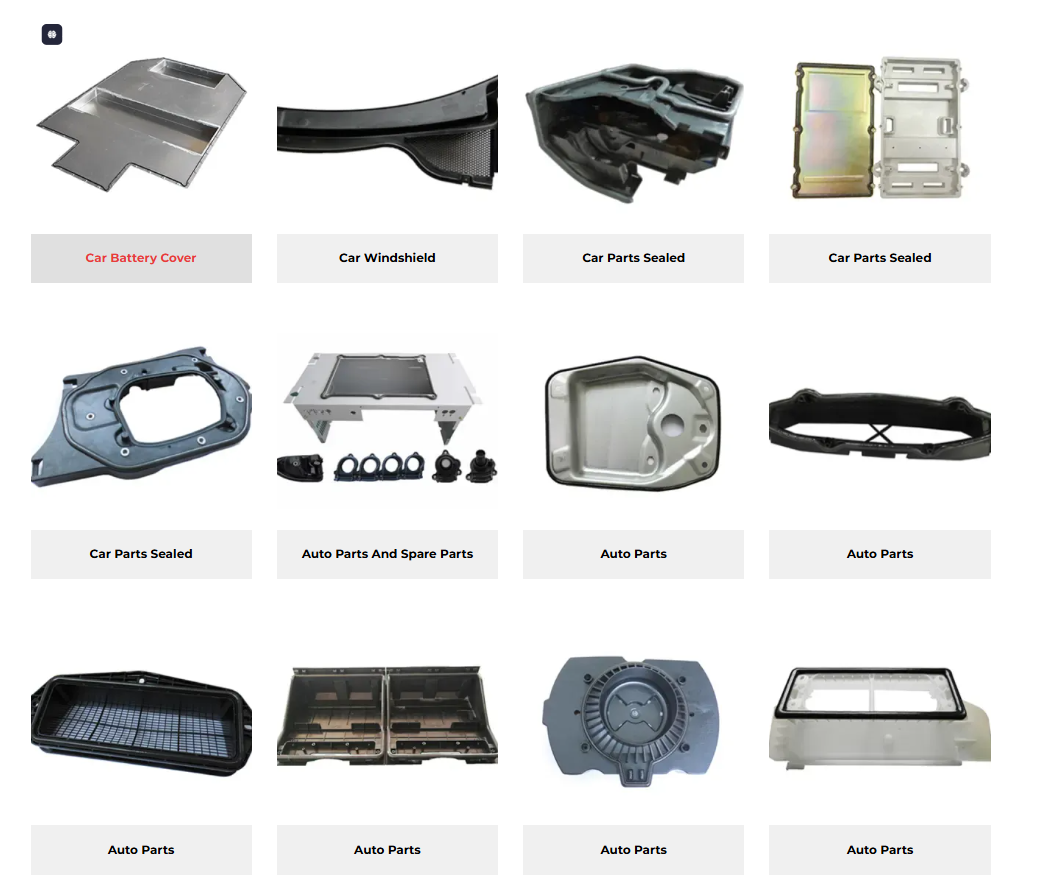
Table of Contents
- Advanced Technology Features in Modern Gasketing Systems
- Quality Assurance and Certification Standards
- Industrial Applications and Market Sectors
- Operational Efficiency and Cost Considerations
- Technical Specifications and Performance Metrics
- Future Developments and Industry Trends
-
FAQ
- What are the key advantages of using automated PU gasketing machines over manual sealing methods
- How does CE certification impact the selection and operation of gasketing equipment
- What maintenance requirements are typical for advanced PU gasketing systems
- How do environmental conditions affect the performance of polyurethane foam sealing operations