 EN
EN

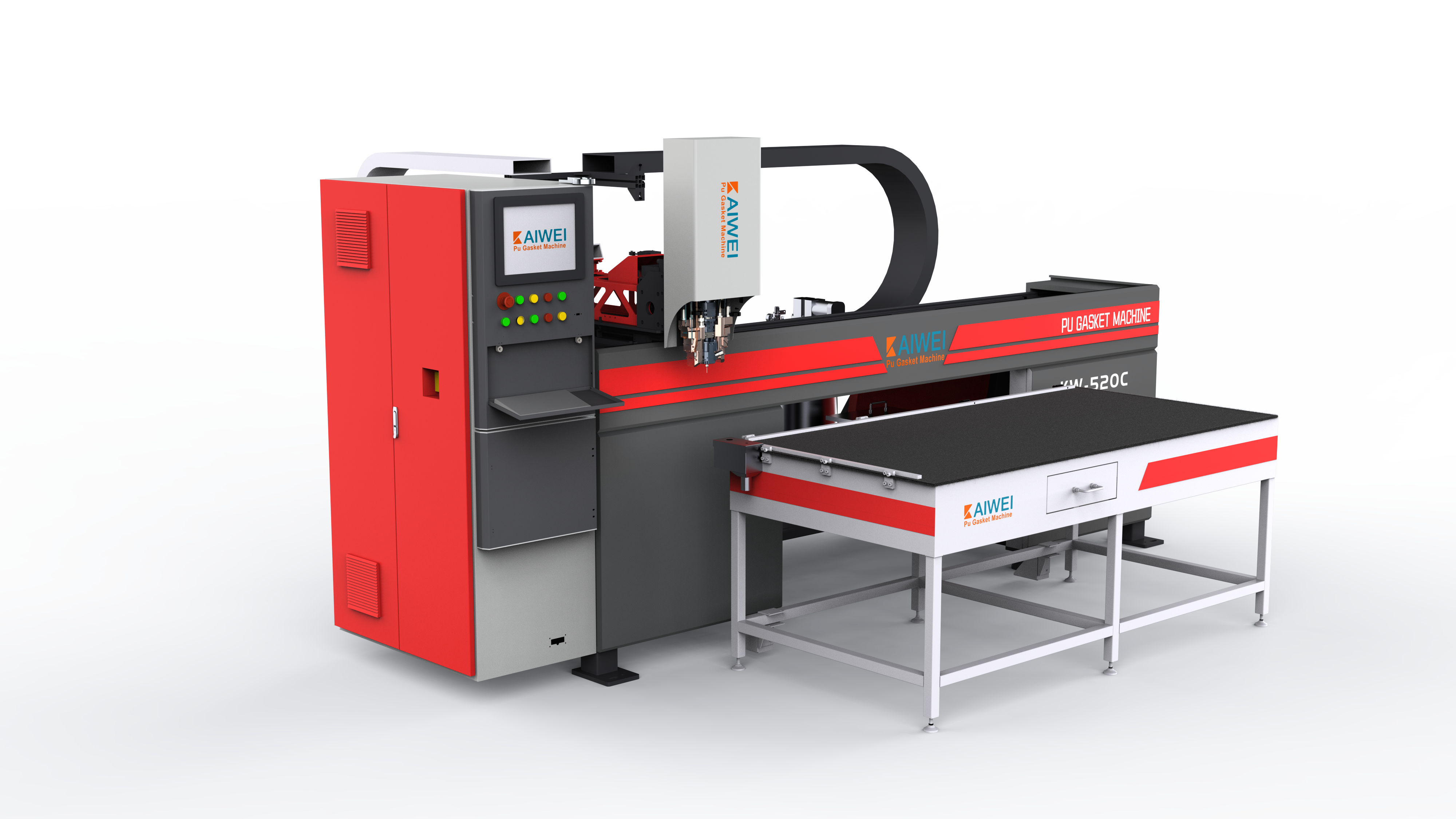
Industrial facilities operating in hazardous environments require specialized sealing solutions to prevent catastrophic failures and ensure personnel safety.A Kaiwei polyurethane gasket machine represents the pinnacle of precision sealing technology, delivering consistent and reliable gasket applications for explosion-proof enclosures across diverse industrial sectors. These advanced dispensing systems have revolutionized how manufacturers approach critical sealing requirements, offering unmatched accuracy and repeatability in gasket formation. The integration of automated polyurethane dispensing technology has become essential for facilities handling volatile substances, explosive atmospheres, or sensitive electronic equipment requiring hermetic sealing.
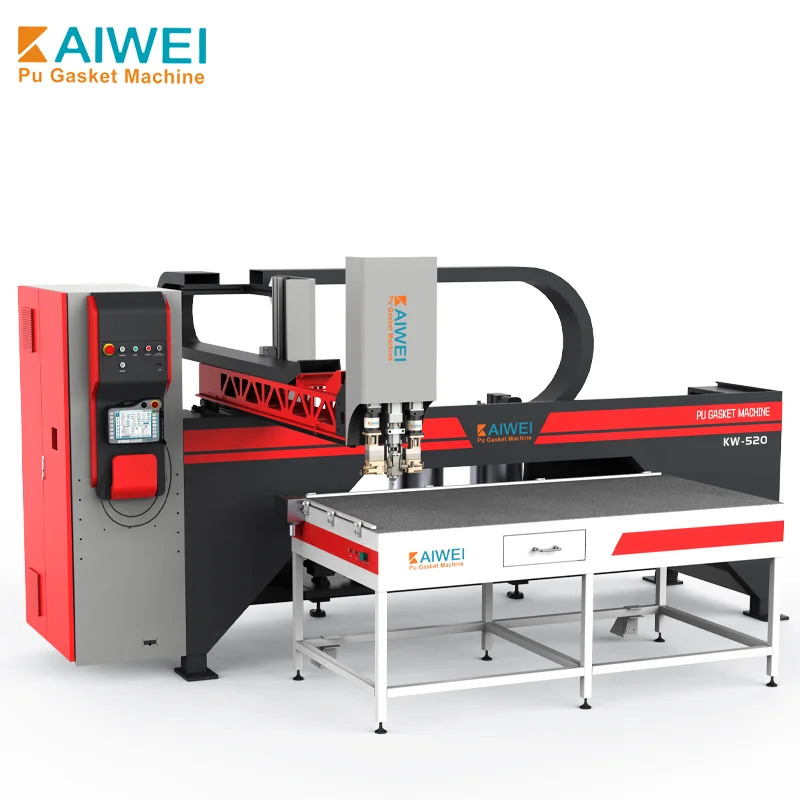
Understanding Polyurethane Gasket Technology
Material Properties and Performance Characteristics
Polyurethane materials exhibit exceptional chemical resistance and durability, making them ideal for demanding sealing applications in explosion-proof environments. A polyurethane gasket machine utilizes these superior material properties to create seals that maintain integrity under extreme temperature variations, chemical exposure, and mechanical stress. The elastomeric nature of polyurethane allows for excellent compression set resistance, ensuring long-term sealing performance even under constant pressure. These machines can process various polyurethane formulations, from flexible elastomers to rigid foams, depending on specific application requirements.
The molecular structure of polyurethane provides outstanding tear strength and abrasion resistance compared to traditional rubber gaskets. Manufacturing facilities benefit from the extended service life and reduced maintenance requirements associated with polyurethane seals. Temperature stability ranges from -40°C to 120°C for standard formulations, with specialized compounds extending these limits for extreme applications. The polyurethane gasket machine ensures precise material mixing ratios, critical for achieving optimal cure profiles and mechanical properties in the finished gasket.
Dispensing System Architecture
Modern polyurethane gasket machines incorporate sophisticated metering and mixing systems that ensure consistent material delivery and uniform gasket formation. The dual-component dispensing architecture typically features separate pumps for polyol and isocyanate components, with precise ratio control maintained through advanced feedback systems. Temperature-controlled material conditioning prevents premature curing while ensuring optimal flow characteristics during dispensing. Automated cleaning cycles between production runs prevent cross-contamination and maintain system reliability.
High-pressure dispensing capabilities enable the polyurethane gasket machine to handle viscous formulations while maintaining precise bead geometry and placement accuracy. Programmable dispensing patterns accommodate various enclosure configurations, from simple rectangular gaskets to complex geometries with multiple sealing surfaces. Real-time monitoring systems track material consumption, cure progression, and quality parameters throughout the dispensing process. These integrated control systems ensure repeatable results and facilitate quality documentation for regulated industries.
Explosion-Proof Enclosure Requirements
Safety Standards and Compliance
Explosion-proof enclosures must meet stringent safety standards including ATEX, IECEx, and NEC requirements for hazardous area applications. A Kaiwei polyurethane gasket machine plays a crucial role in achieving the necessary sealing performance to maintain enclosure integrity and prevent flame propagation. These standards specify maximum gap tolerances and sealing effectiveness requirements that directly influence gasket design parameters. Compliance verification often requires extensive testing under simulated explosion conditions to validate sealing performance.
The IP (Ingress Protection) rating system defines the level of protection against solid particles and liquids that explosion-proof enclosures must achieve. Higher IP ratings demand more stringent sealing requirements, making the precision of polyurethane gasket machine dispensing critical for compliance. Certification bodies evaluate complete enclosure assemblies, including gasket performance, under standardized test conditions. Documentation requirements for safety-critical applications necessitate detailed traceability of gasket materials and manufacturing processes.
Environmental Challenges and Solutions
Explosion-proof installations often operate in harsh environments with extreme temperatures, corrosive chemicals, and high vibration levels. The polyurethane gasket machine must accommodate these challenging conditions by selecting appropriate material formulations and optimizing gasket geometry. Salt spray exposure in marine applications requires enhanced corrosion resistance, while high-temperature processes demand thermal stability beyond standard polyurethane limits. UV radiation in outdoor installations necessitates stabilized formulations to prevent degradation over extended service periods.
Pressure cycling from thermal expansion and operational variations tests the fatigue resistance of gasket materials and designs. A properly configured polyurethane gasket machine can incorporate stress-relief features and optimized durometer selections to accommodate these dynamic loads. Chemical compatibility assessment ensures gasket materials resist degradation from process chemicals, cleaning agents, and environmental contaminants. Long-term aging studies validate gasket performance over expected service life intervals, supporting maintenance planning and replacement scheduling.
Automated Dispensing Advantages
Precision and Repeatability
Automated polyurethane gasket machine technology eliminates human variability in gasket formation, ensuring consistent bead dimensions and placement accuracy across production runs. Computer-controlled dispensing parameters maintain precise flow rates, path velocities, and material temperatures regardless of operator skill levels. Statistical process control capabilities enable real-time monitoring of dispensing parameters with automatic adjustments to maintain tight tolerances. This precision becomes critical when gasket dimensions directly impact sealing effectiveness and safety compliance.
Repeatability measurements demonstrate coefficient of variation values below 2% for key gasket parameters when using advanced polyurethane gasket machine systems. Digital feedback loops continuously monitor dispensed material quantities and adjust pump speeds to compensate for material property variations. Automated quality verification systems can detect dimensional deviations and trigger corrective actions before defective parts enter production flow. This level of control significantly reduces rework costs and warranty claims associated with sealing failures.
Production Efficiency and Cost Benefits
Implementation of polyurethane gasket machine automation typically reduces labor requirements by 60-80% compared to manual gasket installation methods. Faster cycle times and reduced material waste contribute to lower per-unit production costs while improving overall equipment effectiveness. Automated systems operate continuously with minimal supervision, enabling lights-out production for high-volume applications. Material utilization efficiency improves through precise metering and reduced overspray or excess application common with manual processes.
Energy consumption optimization in modern polyurethane gasket machine designs reduces operational costs while supporting sustainability initiatives. Predictive maintenance capabilities minimize unplanned downtime through condition monitoring and trend analysis of critical system parameters. Integration with enterprise resource planning systems enables real-time production tracking and inventory management for improved supply chain efficiency. Return on investment calculations typically show payback periods of 12-18 months for medium to high-volume gasket applications.
Application Sectors and Use Cases
Oil and Gas Industry Applications
Upstream oil and gas operations rely heavily on explosion-proof equipment protected by precision gaskets dispensed by polyurethane gasket machine systems. Wellhead electronics, instrumentation enclosures, and control panels require sealing solutions capable of withstanding hydrogen sulfide exposure and extreme pressure variations. Offshore platforms present additional challenges including salt spray corrosion and dynamic loading from wave action that test gasket durability. The polyurethane gasket machine ensures consistent sealing performance across thousands of identical enclosures used in drilling and production operations.
Refinery and petrochemical facilities utilize polyurethane gaskets for junction boxes, analyzer housings, and motor control centers located in classified hazardous areas. Process temperature variations and chemical exposure from volatile organic compounds require specialized gasket formulations dispensed with precise control. Pipeline monitoring systems depend on reliable enclosure sealing to protect sensitive electronics from moisture ingress and explosive atmospheres. Maintenance accessibility considerations influence gasket design parameters that the polyurethane gasket machine must accommodate through programmable dispensing patterns.
Chemical Processing and Manufacturing
Chemical manufacturing facilities require explosion-proof enclosures for instrumentation and control systems handling reactive materials and solvents. The polyurethane gasket machine provides consistent sealing for process analyzers, level sensors, and emergency shutdown systems operating in corrosive environments. Pharmaceutical manufacturing combines stringent cleanliness requirements with explosion protection, necessitating gaskets that resist sanitizing agents while maintaining sealing integrity. Batch processing operations subject gaskets to repeated thermal cycling and pressure variations that test material durability and design robustness.
Food and beverage processing facilities utilize explosion-proof equipment in applications involving combustible dusts and alcohol vapors. The polyurethane gasket machine must accommodate FDA-compliant materials while maintaining explosion protection performance for electrical enclosures. Cleaning protocols in these industries require gasket resistance to high-pressure washdown and sanitizing chemicals. Temperature variations from hot processing areas to cold storage zones challenge gasket flexibility and dimensional stability over wide operating ranges.
Selection and Implementation Guidelines
System Specification Requirements
Selecting an appropriate polyurethane gasket machine requires careful evaluation of production volume, gasket complexity, and material requirements specific to explosion-proof applications. Dispensing pressure capabilities must accommodate material viscosity ranges while maintaining precise flow control for thin gasket profiles. Temperature control requirements vary with polyurethane formulation cure characteristics and ambient operating conditions. Multi-axis positioning systems enable complex gasket geometries while maintaining consistent bead cross-sections around corners and transitions.
Integration capabilities with existing manufacturing execution systems facilitate production tracking and quality documentation required for safety-critical applications. Material handling systems must prevent contamination while ensuring consistent material properties throughout extended production runs. The polyurethane gasket machine should incorporate safety interlocks and emergency stop capabilities to protect operators and equipment during maintenance activities. Validation protocols must demonstrate system capability to meet specified gasket dimensional tolerances and sealing performance requirements.
Installation and Training Considerations
Proper installation of polyurethane gasket machine systems requires attention to environmental factors including temperature stability, vibration isolation, and electrical power quality. Compressed air quality specifications ensure consistent pneumatic system performance and prevent contamination of material pathways. Operator training programs must cover material safety procedures, system operation protocols, and troubleshooting techniques specific to polyurethane dispensing technology. Maintenance training includes preventive care schedules, wear part replacement procedures, and calibration verification methods.
Documentation requirements for regulated industries necessitate comprehensive installation qualification and operational qualification protocols. These procedures verify that the polyurethane gasket machine performs according to specified parameters and produces gaskets meeting design requirements. Change control procedures ensure modifications to dispensing parameters or material formulations receive appropriate review and approval. Ongoing validation activities monitor system performance trends and verify continued compliance with quality standards.
FAQ
What maintenance requirements apply to polyurethane gasket machines?
Regular maintenance for polyurethane gasket machines includes daily cleaning of dispensing heads to prevent material buildup and curing residue. Weekly calibration checks verify metering accuracy and temperature control performance. Monthly inspections cover pump seals, heating elements, and pneumatic components for signs of wear or leakage. Annual overhauls typically include replacement of wear components, system recalibration, and performance verification testing to ensure continued accuracy and reliability.
How do you ensure gasket quality consistency across production batches?
Quality consistency requires strict control of material storage conditions, mixing ratios, and dispensing parameters throughout production runs. Statistical process control monitors key variables including bead width, thickness, and placement accuracy with automatic alerts for out-of-specification conditions. Batch documentation tracks material lot numbers, environmental conditions, and machine settings for full traceability. Regular sampling and testing verify gasket properties meet specification requirements while identifying potential process drift before quality issues occur.
What safety precautions are necessary when operating polyurethane dispensing equipment?
Safety protocols include proper ventilation systems to manage isocyanate vapors and personal protective equipment including respiratory protection and chemical-resistant gloves. Emergency eyewash and shower stations must be accessible within the work area. Material safety data sheets provide specific handling requirements for polyurethane components including storage temperature limits and incompatible materials. Training programs cover spill response procedures, first aid measures, and emergency shutdown protocols specific to polyurethane processing hazards.
Can polyurethane gasket machines accommodate different enclosure sizes and configurations?
Modern polyurethane gasket machines feature programmable motion control systems that accommodate various enclosure dimensions and gasket path geometries. Fixture systems enable quick changeover between different part configurations while maintaining precise positioning accuracy. Software programming allows storage of multiple dispensing programs for different products with automated parameter loading. Variable speed control and pressure adjustment capabilities optimize dispensing parameters for different gasket cross-sections and cure requirements across diverse applications.
Table of Contents
- Understanding Polyurethane Gasket Technology
- Explosion-Proof Enclosure Requirements
- Automated Dispensing Advantages
- Application Sectors and Use Cases
- Selection and Implementation Guidelines
-
FAQ
- What maintenance requirements apply to polyurethane gasket machines?
- How do you ensure gasket quality consistency across production batches?
- What safety precautions are necessary when operating polyurethane dispensing equipment?
- Can polyurethane gasket machines accommodate different enclosure sizes and configurations?